

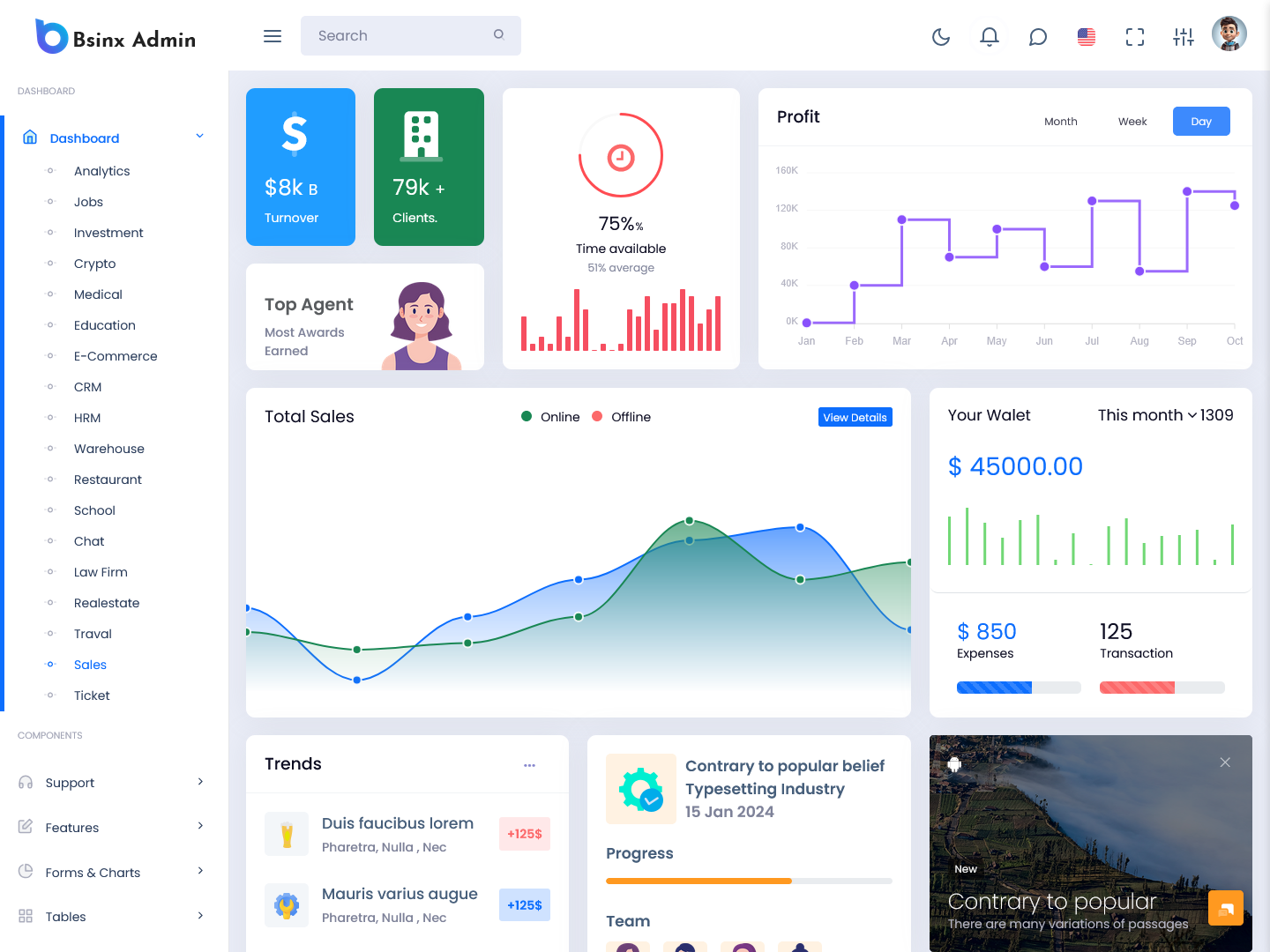
A Sales Dashboard provides a centralized digital workspace for organizing sales-related information. Instead of asking…
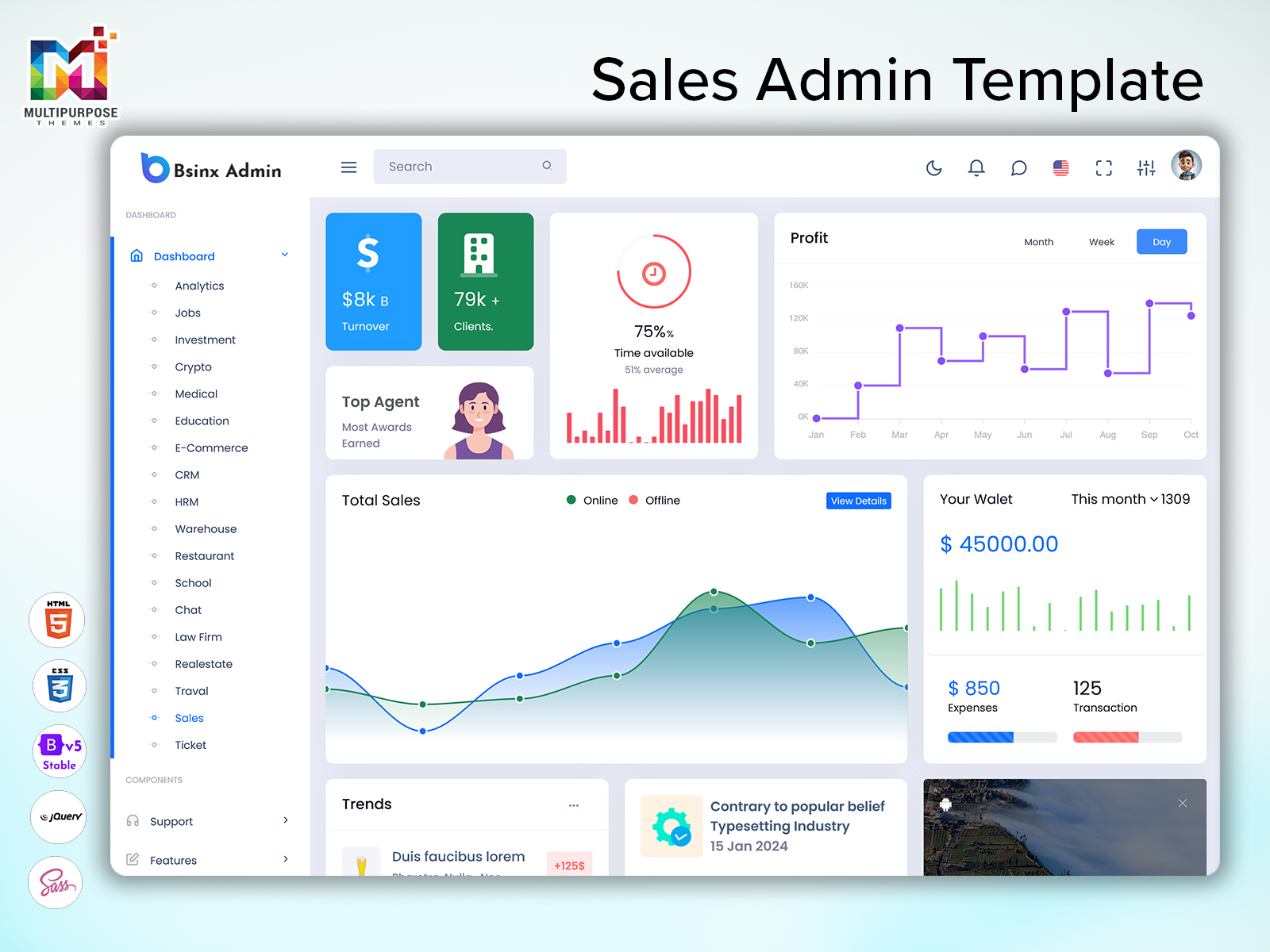
Sales Admin Template Innovation for High-Performance Business Operations in 2026
Reading Time: 9 minutes
Businesses in 2026 depend heavily on data, automation, and performance tracking to remain competitive. A modern Sales Admin Template serves as a centralized platform where organizations can monitor activities, analyze revenue patterns, and manage operational workflows with greater efficiency. Instead of relying on disconnected tools, companies are adopting integrated Sales Software solutions that provide instant access to critical business information. From customer management to financial reporting, a well-structured dashboard environment simplifies everyday processes and improves organizational visibility.
Watch Full Video
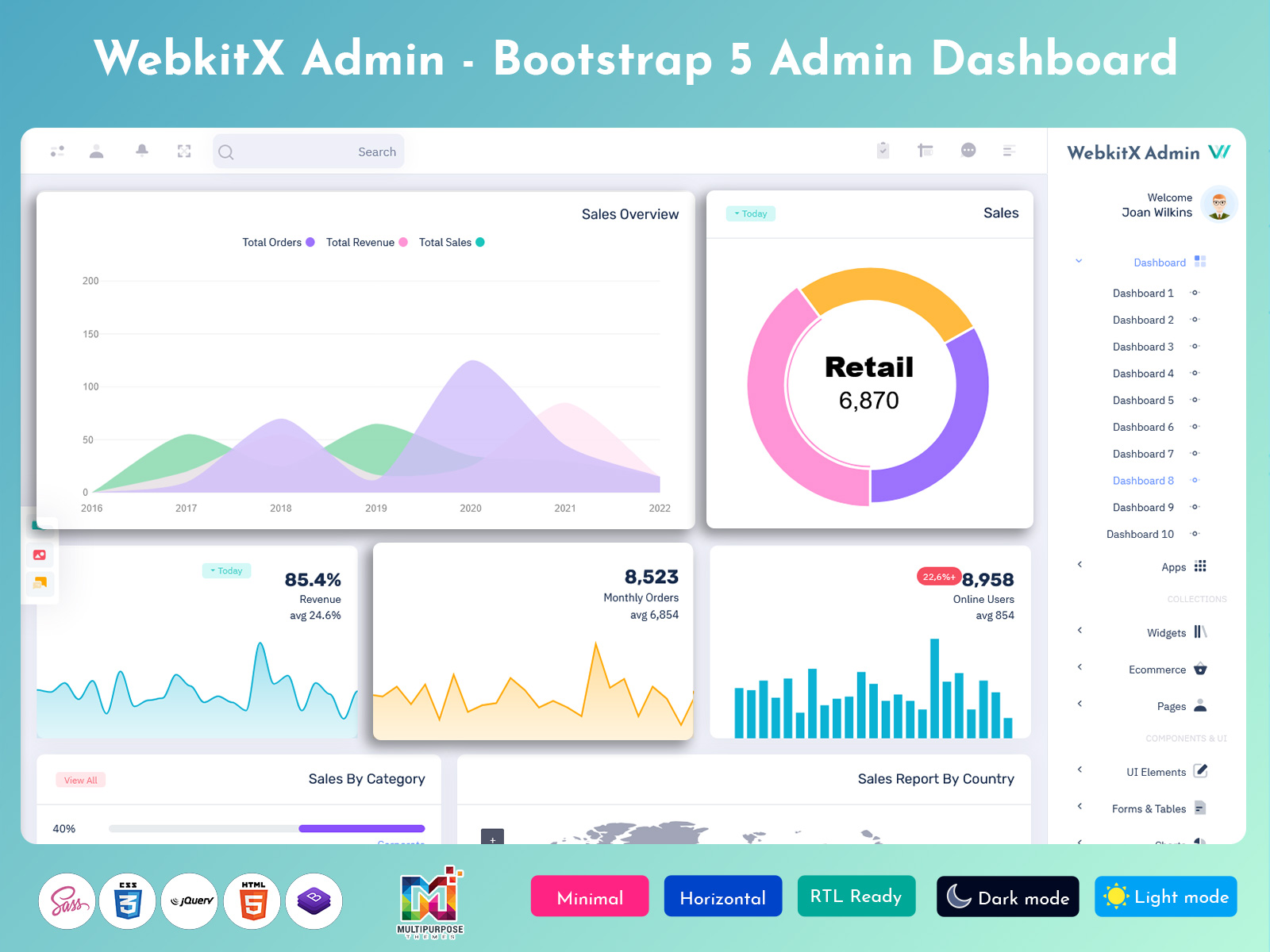
A powerful Sales Software Dashboard combines analytics, reporting, and management capabilities within a single interface. Whether implemented through a Sales Admin Template, Sales WebApp Template, or complete Sales Web Application Kit, these solutions help teams streamline operations and make informed decisions. Modern Sales Dashboards include interactive Sales Charts, detailed Sales Reports, performance metrics, and real-time monitoring features that support business growth. Organizations also benefit from advanced Sales Dashboard Design principles that improve usability and accessibility across departments.
As businesses continue embracing digital transformation, demand for a Smart Sales Admin Panel and scalable Sales Apps is increasing rapidly. A professional Sales WebApp Dashboard Design enables organizations to track performance, visualize trends, manage products, and oversee customer interactions without complexity. From Sales Project Management initiatives to revenue optimization strategies, today’s Creative Sales Dashboard solutions provide the flexibility needed to support modern business objectives while delivering meaningful insights that drive measurable results.
Why Modern Businesses Need a Sales Admin Dashboard in 2026
Managing commercial activities has become more challenging as organizations handle larger customer databases, multiple revenue channels, and increasing performance expectations. A modern Sales Dashboard provides a centralized environment where executives, supervisors, and representatives can monitor operational activities without switching between different platforms. Instant access to valuable metrics helps organizations maintain control over targets, productivity, and customer interactions.
In 2026, digital transformation continues to reshape how companies operate. A Smart Sales Admin Panel enables businesses to organize information, visualize trends, and streamline decision-making processes. Whether tracking customer engagement, monitoring team achievements, or reviewing financial outcomes, an intelligent dashboard environment improves visibility across every department. This structured approach allows organizations to react faster to opportunities while maintaining efficiency in an increasingly competitive marketplace.
Transforming Revenue Management
Revenue handling in modern organizations has shifted from traditional tracking methods to intelligent digital systems powered by Sales Software and advanced analytics. A Sales Admin Dashboard plays a key role in transforming how businesses manage income flow, allowing teams to monitor turnover, evaluate financial movement, and track overall performance in real time. With a centralized Smart Sales Admin Panel, decision-makers can quickly understand revenue patterns without relying on manual reporting or scattered data sources. This improves operational clarity and reduces delays in strategic planning.
A modern Sales WebApp Dashboard enhances revenue transformation by combining automation, visualization, and reporting into one unified platform. Businesses using Sales Software Dashboard Design can easily identify high-performing areas, optimize pricing strategies, and improve profit margins through structured insights. Whether deployed as a Sales WebApp Template or integrated through a Sales Web Application Kit, these systems support better financial forecasting. Advanced Sales Charts and Sales Profit Charts also help organizations visualize growth trends, making revenue management more proactive and data-driven instead of reactive.
VIEW DEMO BUY NOW
Key Performance Indicators Every Sales Dashboard Should Track
1. Total Sales Performance
A Sales Dashboard provides a clear view of total sales performance across all channels, helping teams understand daily, weekly, and monthly achievements. With a Sales Admin Dashboard and Smart Sales Admin Panel, businesses can track progress accurately, compare targets, and improve overall Sales Software efficiency for better revenue outcomes.
2. Revenue and Turnover Insights
Revenue and turnover insights in a Sales Software Dashboard allow organizations to monitor financial stability and cash flow patterns. A Sales WebApp Dashboard collects real-time data from multiple sources, helping managers evaluate income trends. This improves forecasting accuracy and supports better decision-making through structured Sales Report Dashboard analytics and reporting systems.
3. Total Income Analysis
Total income analysis helps businesses understand overall earnings generated from products, services, and client engagements. A Sales Admin Template integrated with Sales Charts allows easy visualization of income streams. Using a Sales Bootstrap 5 Dashboard, teams can identify high-value revenue areas and optimize performance through structured Sales Software Dashboard Design methods.
4. Profit Monitoring Tools
Profit monitoring tools in a Sales Profit Dashboard help organizations track net earnings after expenses. With Sales Profit Charts and interactive reporting features, managers can quickly detect profit fluctuations. A Sales Web Application Kit enhances visibility into cost control and profitability, ensuring better financial management and improved operational efficiency across departments.
5. Business Growth Measurement
Business growth measurement in a Creative Sales Dashboard helps organizations evaluate expansion over time. Using Sales Apps Dashboards, teams can compare historical data and identify growth patterns. A Sales Project Dashboard supports long-term planning, while Sales Dashboard Design improves clarity, enabling companies to scale effectively and maintain sustainable performance growth.
Leveraging Sales Stats and Charts for Faster Decision Making
Sales statistics play a critical role in helping organizations respond quickly to market changes. A Sales Dashboard brings all key data into one place, allowing managers to analyze performance without delays. With a Sales Admin Dashboard and Smart Sales Admin Panel, teams can track real-time updates, compare historical results, and identify patterns that influence revenue outcomes. Sales Software integration ensures that all data points are accurate, structured, and ready for instant evaluation. This reduces decision-making time and improves overall business agility across departments.
Visual representation through Sales Charts and Sales Profit Charts makes complex information easy to understand. A Sales WebApp Dashboard Design transforms raw numbers into meaningful insights that support faster strategic planning. Using a Sales Bootstrap 5 Dashboard or Sales Web Application Kit, businesses can monitor trends, product performance, and sales fluctuations efficiently. Sales Apps Dashboards and Sales Report Dashboard tools further enhance clarity, enabling teams to make confident, data-driven decisions that improve profitability and long-term operational success.
Managing Trending Products Through an Advanced Sales Product Dashboard
A Sales Product Dashboard helps organizations identify which products are gaining demand in real time. By using a Sales Admin Dashboard integrated with Sales Software, businesses can track product performance across multiple channels. A Smart Sales Admin Panel provides visibility into trending items, helping teams adjust inventory, pricing, and promotions quickly. This improves responsiveness and ensures that high-demand products are always available to customers without disrupting supply chain efficiency.
With a Sales WebApp Dashboard and Sales Software Dashboard Design, companies can analyze product-level insights using Sales Charts and Sales Product Charts. These tools highlight sales velocity, customer preference, and seasonal trends in a structured way. A Sales Bootstrap 5 Dashboard or Sales Web Application Kit allows businesses to manage product data efficiently. Sales Apps Dashboards and Sales Dashboard Design systems further support decision-making by transforming raw product data into actionable insights for better business growth and profitability.
Essential Features of a Sales Software Dashboard
1. Support Ticket Management
Support Ticket Management in a Sales Software Dashboard helps businesses resolve customer issues quickly and efficiently. A Sales Admin Dashboard tracks ticket status, response time, and resolution progress. This improves service quality, enhances customer satisfaction, and ensures smooth communication between teams using structured Sales Apps Dashboards and reporting systems.
2. Real-Time Team Chat
Real-Time Team Chat inside a Smart Sales Admin Panel enables instant communication between sales teams. It improves coordination, reduces delays, and supports faster decision-making. Integrated within a Sales WebApp Dashboard, this feature allows employees to share updates, discuss opportunities, and collaborate efficiently, improving overall productivity across Sales Project Management workflows.
3. Dynamic Information Cards
Dynamic Information Cards in a Sales Admin Template present key metrics in a simplified visual format. These cards display Sales Charts, revenue updates, and performance insights instantly. A Sales Dashboard Design using cards helps users quickly understand data, making the Sales WebApp Dashboard more interactive, organized, and user-friendly for daily operations.
4. Bootstrap 5 Components
Bootstrap 5 Components enhance the structure and responsiveness of a Sales Bootstrap 5 Dashboard. They provide pre-built UI elements that improve design consistency and usability. When used in a Sales Web Application Kit, these components help developers create scalable Sales Software Dashboard Design systems that work smoothly across devices and platforms.
5. Professional Icon Library
A Professional Icon Library improves navigation and clarity within a Sales Admin Panel. Icons simplify complex data representation in Sales Dashboards, making it easier for users to understand functions quickly. This enhances the overall Sales Dashboard Design, ensuring better usability and smoother interaction across Sales Apps Dashboards and reporting tools.
6. Custom UI Elements
Custom UI Elements in a Creative Sales Dashboard allow businesses to personalize their interface based on operational needs. A Sales WebApp Template supports flexible customization for better branding and usability. These elements improve user experience, making the Sales Software Dashboard more intuitive, visually appealing, and aligned with business workflow requirements.
Customer Relationship Insights
Customer relationship insights are a core part of any modern Sales Admin Dashboard, helping businesses understand client behavior, engagement patterns, and purchase history in a structured way. With a Smart Sales Admin Panel and Sales Software integration, organizations can track customer interactions across multiple touchpoints. This enables teams to identify valuable clients, improve communication strategies, and build stronger long-term relationships. A Sales Dashboard designed with CRM-focused features ensures that every customer detail is organized and accessible in real time for better decision-making.
A Sales WebApp Dashboard enhances customer relationship management by combining analytics, tracking tools, and visualization into one platform. Using Sales Charts and Sales Report Dashboard systems, businesses can measure satisfaction levels, repeat purchase rates, and customer lifetime value. A Sales Apps Dashboards environment also helps sales teams respond faster to client needs while improving retention strategies. With a well-structured Sales Dashboard Design, companies can transform raw customer data into actionable insights that drive loyalty, engagement, and sustainable business growth.
Top 5 Advantages of Using a Creative Sales Dashboard
1. Faster Operational Visibility
A Creative Sales Dashboard improves operational visibility by bringing all sales activity into one structured view. A Sales Admin Dashboard and Smart Sales Admin Panel allow teams to instantly see performance changes, reducing dependency on manual reporting and improving response speed across Sales Software Dashboard environments.
2. Improved Data Accuracy
Using a Sales WebApp Dashboard reduces errors caused by manual data entry and disconnected systems. Automated syncing across Sales Software ensures consistent reporting. A Sales Dashboard Design with real-time validation helps teams trust insights, making Sales Report Dashboard outputs more reliable for strategic business decisions and forecasting accuracy.
3. Smarter Resource Allocation
A Sales Project Management Dashboard helps organizations distribute resources more effectively by analyzing workload and performance. Sales Apps Dashboards highlight underperforming areas, allowing managers to adjust focus. With Sales Charts and Sales Product Dashboard insights, businesses can prioritize efforts that deliver higher returns and better operational efficiency.
4. Enhanced User Experience
A well-designed Sales Bootstrap 5 Dashboard improves user experience through clean layouts and responsive design. Sales Admin Template structures simplify navigation, while Sales Web Application Kit components ensure smooth interaction. This leads to faster adoption, better usability, and improved engagement across teams using the Sales Admin Panel.
5. Real-Time Business Adaptability
A Smart Sales Admin Panel enables real-time adaptability by updating metrics instantly across Sales Dashboards. Businesses can respond quickly to market shifts, product trends, and customer demands. With Sales Software Dashboard Design, organizations gain flexibility to adjust strategies dynamically, ensuring continuous performance improvement and competitive advantage.
Conclusion
A modern Sales Admin Dashboard plays a vital role in improving business performance by centralizing data, simplifying operations, and enhancing visibility across all departments. With the help of Sales Software and a Smart Sales Admin Panel, organizations can efficiently monitor sales activities, revenue flow, customer behavior, and product performance. Tools like Sales WebApp Dashboard, Sales Admin Template, and Sales Dashboard Design create a structured environment where decision-making becomes faster and more accurate, reducing operational delays and improving productivity across teams.
By integrating Sales Charts, Sales Profit Dashboard, and Sales Report Dashboard systems, businesses gain deeper insights into performance trends and financial outcomes. Advanced solutions such as Sales Bootstrap 5 Dashboard and Sales Web Application Kit ensure scalability and flexibility for growing enterprises. Ultimately, a Creative Sales Dashboard transforms raw data into actionable intelligence, helping organizations improve strategy, optimize resources, and achieve sustainable growth in competitive markets.
VIEW DEMO BUY NOW
FAQs
1. What is a sales dashboard used for?
A sales dashboard is used to track revenue, sales performance, leads, and business KPIs in real time. It helps businesses make faster decisions using visual reports and analytics tools from platforms like MultiPurpose Themes.
2. How does a sales dashboard help improve business performance?
A sales dashboard improves performance by showing real-time sales data, conversion rates, and team productivity. Businesses using MultiPurpose Themes dashboards can quickly identify weak areas and improve sales strategy.
3. What features should a sales dashboard have?
A sales dashboard should include revenue tracking, sales reports, customer data, charts, KPI monitoring, and performance analytics. MultiPurpose Themes provides dashboard templates designed with these core sales features.
4. What is the difference between a sales dashboard and CRM?
A sales dashboard focuses on sales performance and revenue tracking, while CRM manages customer relationships. Many businesses combine both using solutions from MultiPurpose Themes for better management.
5. Why do companies use sales dashboards?
Companies use sales dashboards to monitor targets, track profits, analyze customer behavior, and improve decision-making. MultiPurpose Themes offers structured dashboard designs that simplify this process.
6. Can a sales dashboard track team performance?
Yes, a sales dashboard tracks individual and team performance including sales targets, completed deals, and productivity. Tools from MultiPurpose Themes help visualize team performance clearly.
7. What metrics are important in a sales dashboard?
Important metrics include total revenue, conversion rate, lead generation, sales growth, and customer acquisition. MultiPurpose Themes dashboards are designed to display these metrics effectively.
8. Is a sales dashboard useful for small businesses?
Yes, small businesses use sales dashboards to track customers, manage leads, and monitor daily sales. MultiPurpose Themes provides scalable dashboard templates suitable for startups and SMEs.
9. How does a sales dashboard help in decision making?
It provides real-time insights into sales trends, customer behavior, and revenue performance, helping businesses make data-driven decisions using MultiPurpose Themes dashboard systems.
10. What industries use sales dashboards?
Sales dashboards are used in retail, SaaS, eCommerce, finance, healthcare, and real estate. MultiPurpose Themes offers flexible dashboard templates for all these industries.

Related Posts

This Post Has 0 Comments