

What is a Real Estate Dashboard? A Real Estate Dashboard is a digital interface created…
Real Estate Dashboard: The Smart Way to Manage Modern Property Businesses
Reading Time: 6 minutes
What is a Real Estate Dashboard?
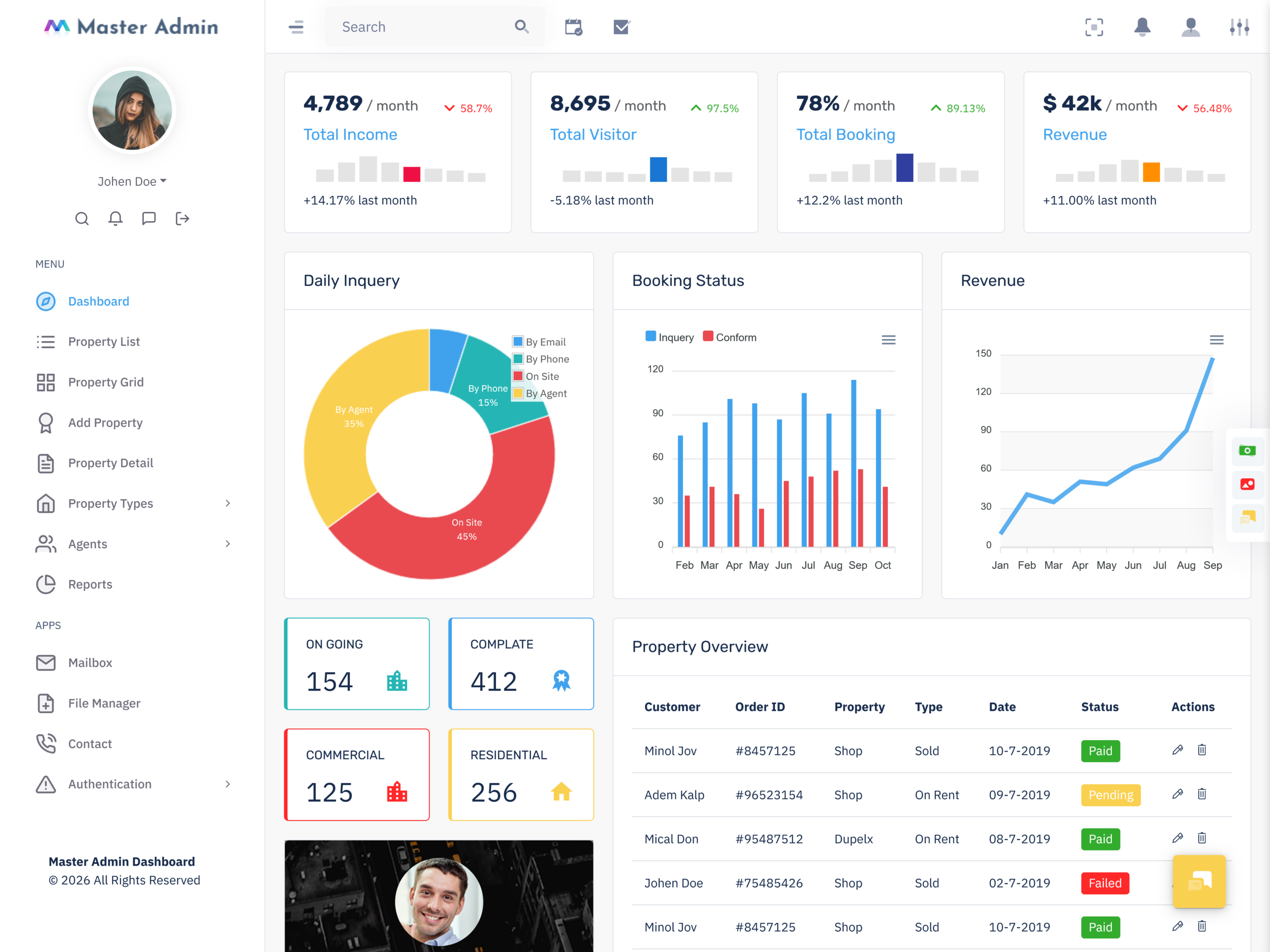
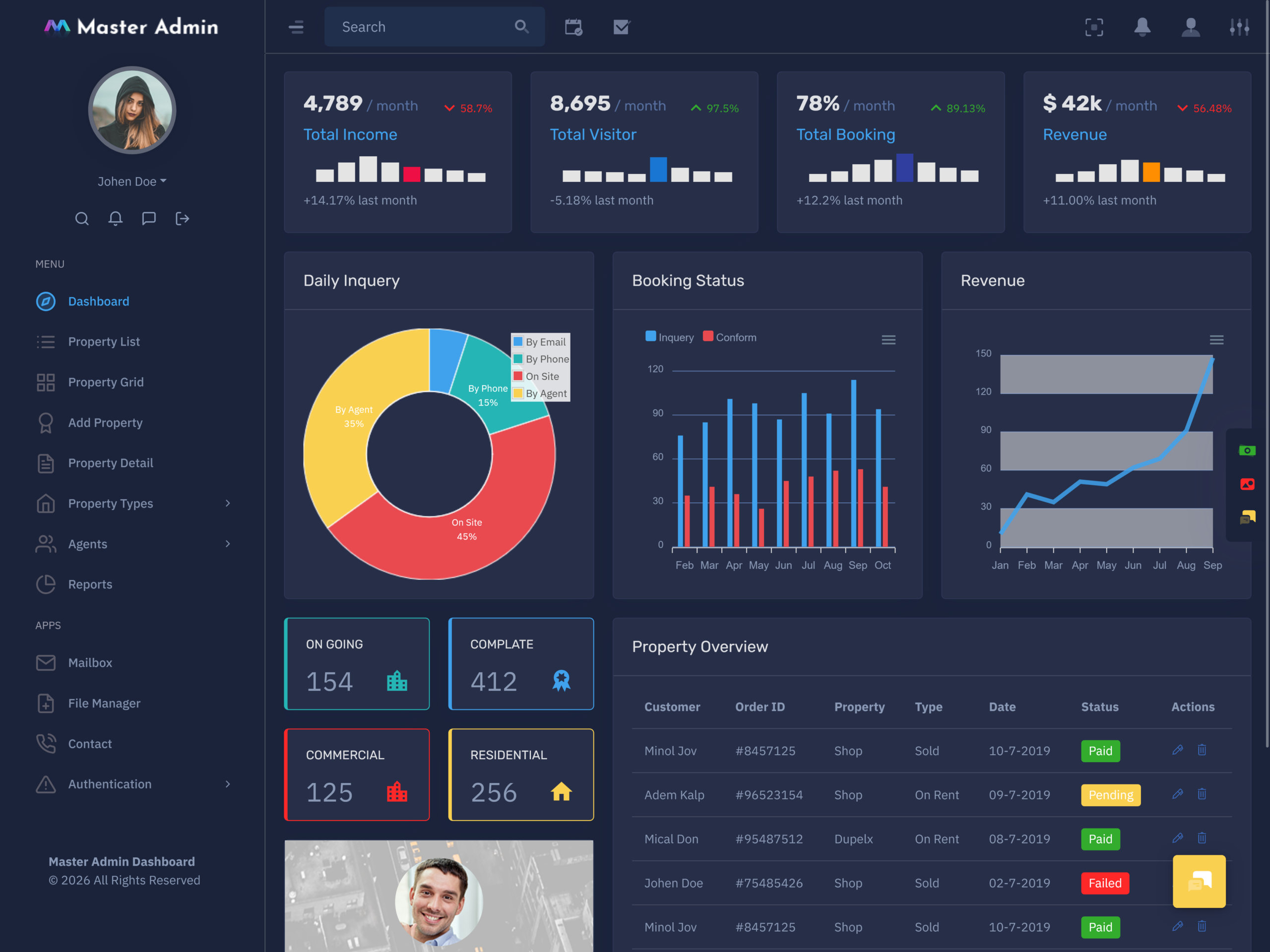
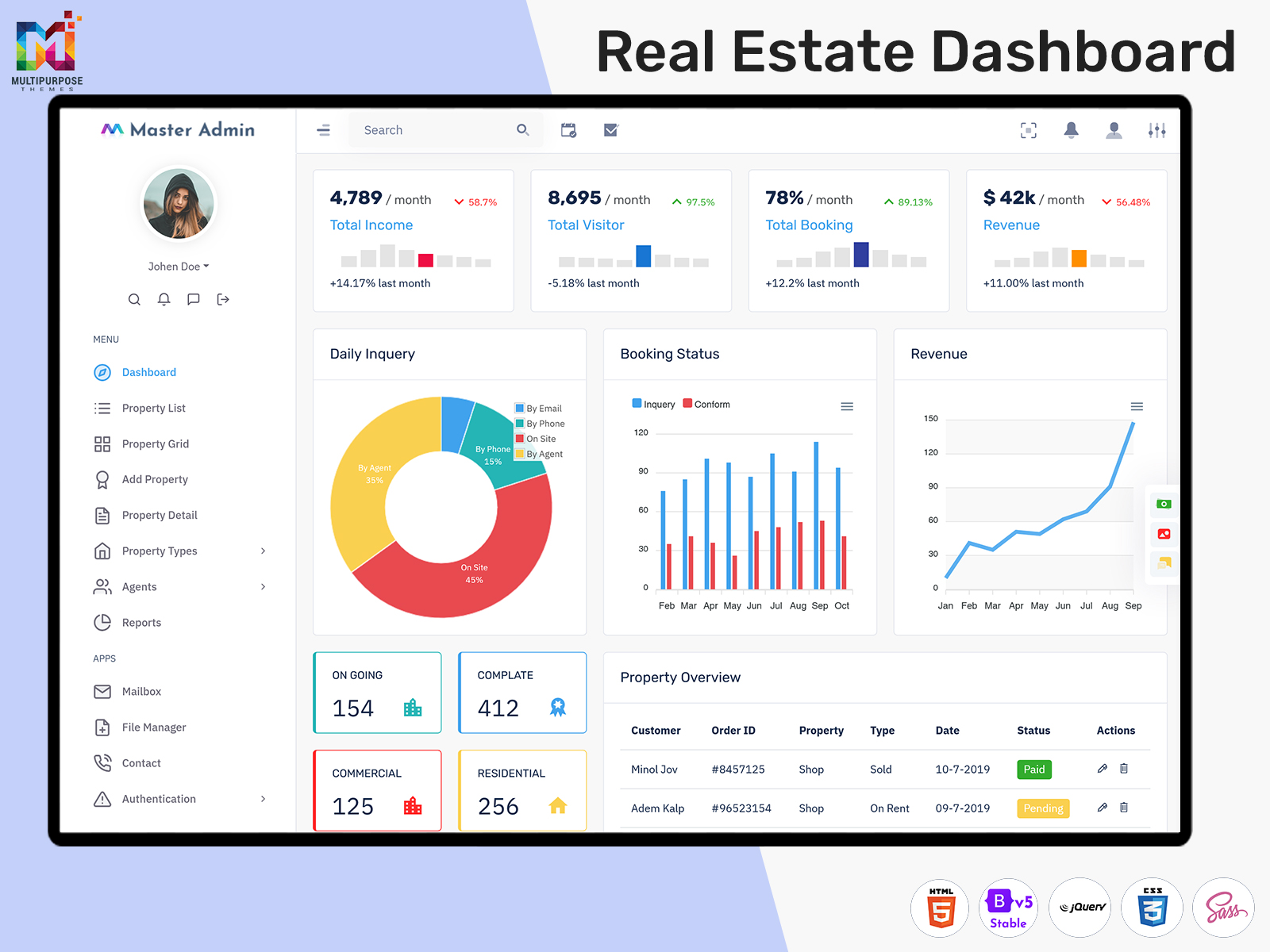
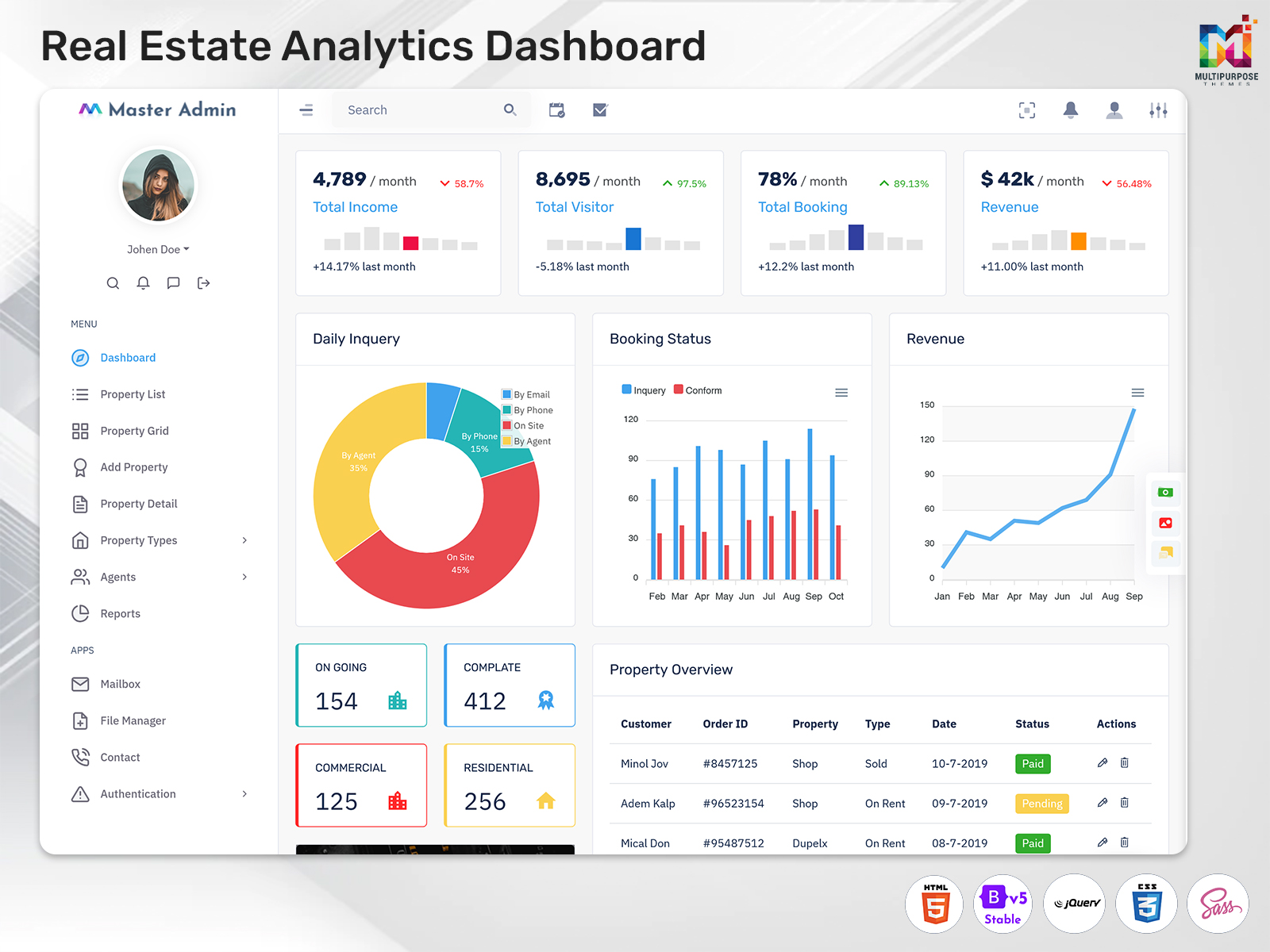
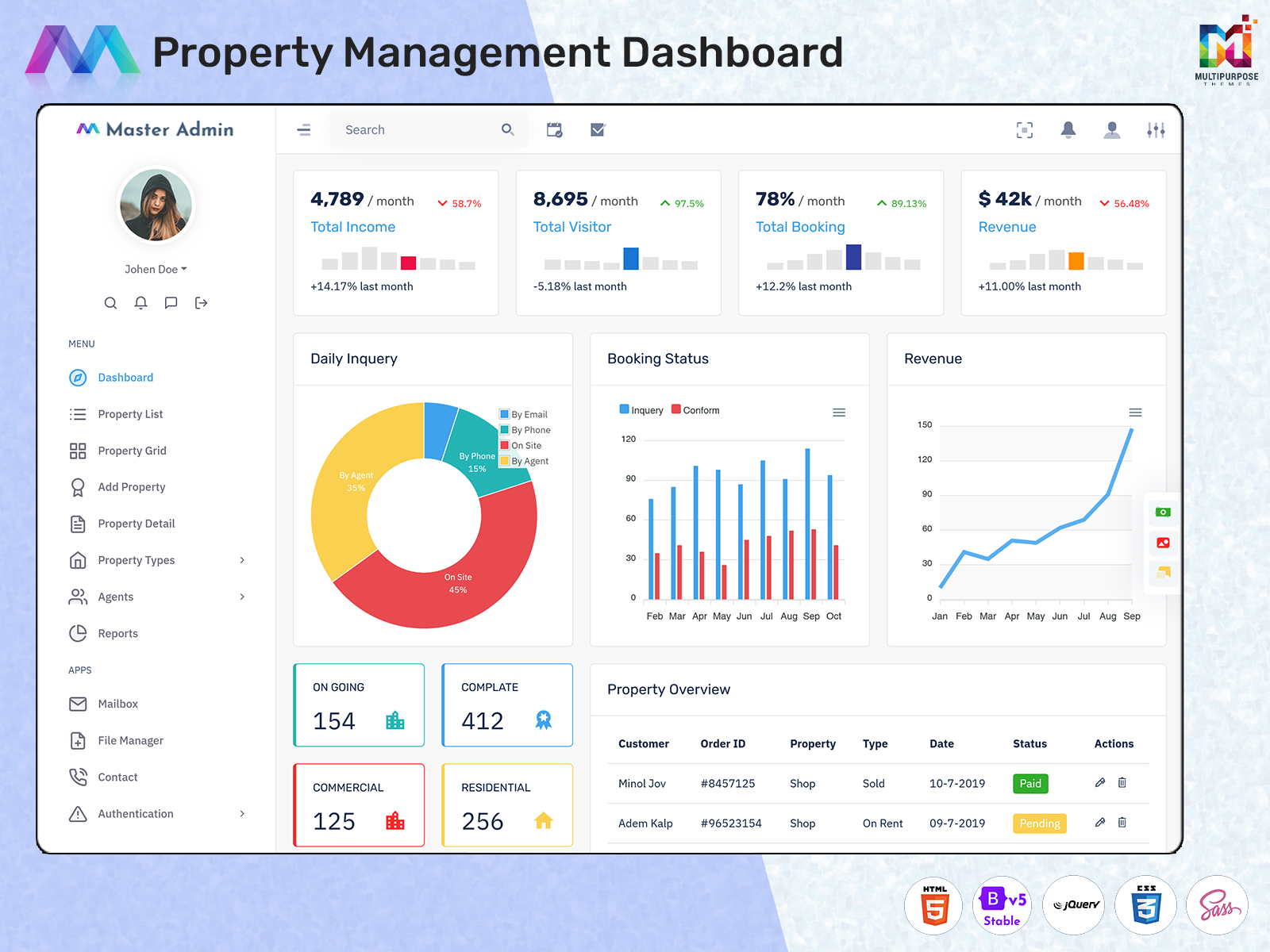
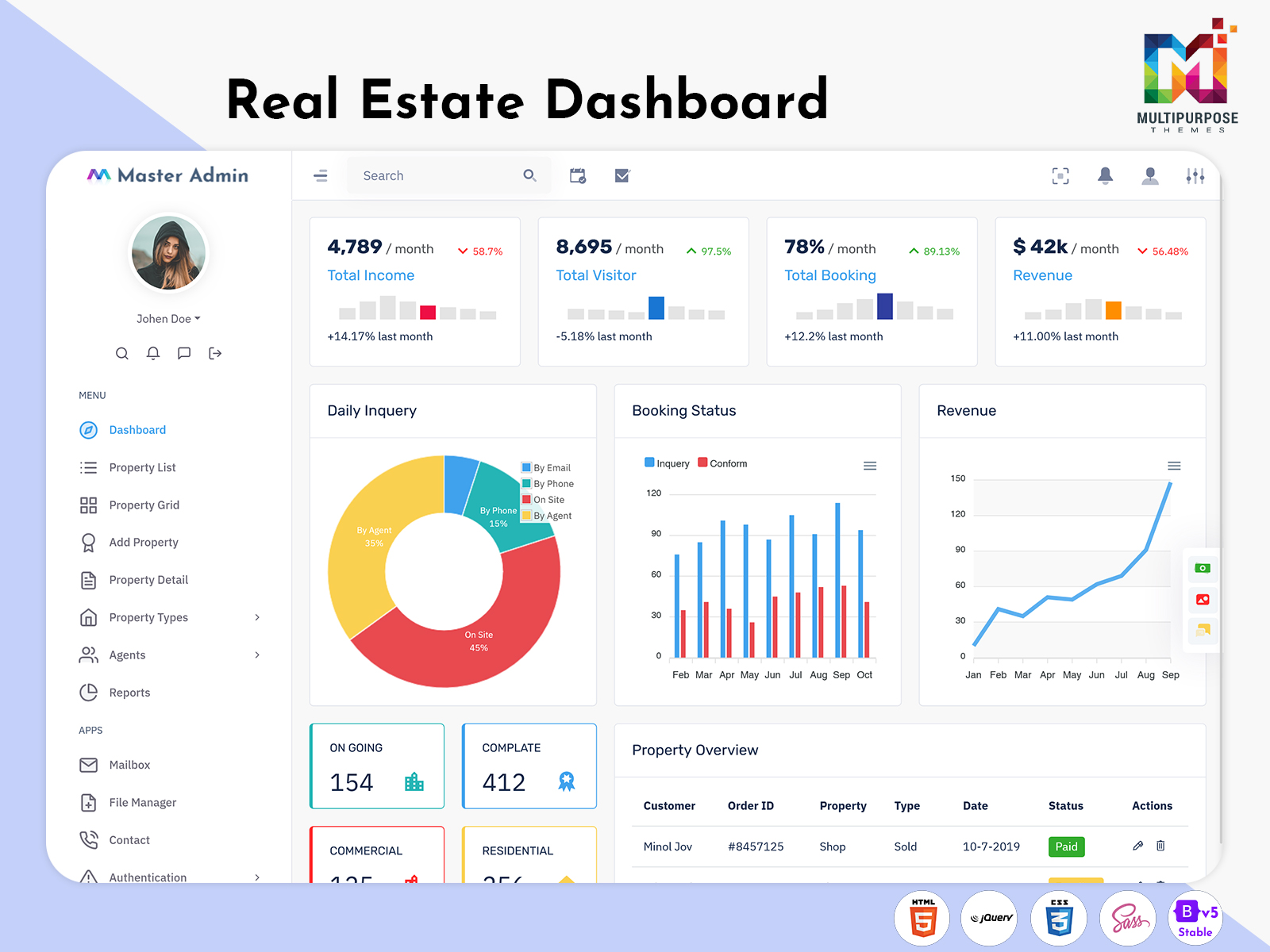
This Real estate dashboard is a centralized place which helps real -estate businesses to analyse their listings, booking, inquiries, total revenue and activities of the agent from one platform. It provides real estate professionals a clear overview of their operations without requiring them to manage multiple spreadsheets of disconnected tools.
Watch Full Video
In today’s era, real estate businesses need to handle bulk interactions every week. From residential apartments to commercial office spaces. Managing all information manually can be a headache and takes too much time. This real estate dashboard makes these all things simple and makes all the details organized into different sections which is easy to understand and helps in decision making.
Whether you are a broker, builder, property consultant, or agency owner, a dashboard helps you stay informed about every aspect of your business. Modern Real Estate WebApp Dashboards also provide accessibility across devices, allowing users to manage operations anytime and from anywhere.
Real Estate Dashboard Features Every Modern Realtor Needs
The real estate industry has become more competitive than ever. Buyers expect immediate responses, property owners demand transparency, and agencies need better visibility into sales performance. This is where a Real Estate Sales Dashboard becomes an essential business tool.
Modern realtors need more than a simple listing management system. They require insights into customer behavior, booking trends, property performance, and agent productivity. A dashboard brings all of these elements together, helping teams work efficiently while improving customer experiences.
An effective Real Estate Software Dashboard should be easy to use, scalable, and designed to support both small agencies and large enterprises. As property businesses grow, dashboards help maintain operational consistency while reducing administrative workloads across departments.
How a Real Estate Dashboard Improves Property Management
Managing properties involves multiple responsibilities, including responding to inquiries, updating listings, coordinating with agents, and tracking sales activities. Performing these tasks manually often leads to delays and missed opportunities. A Real Estate Dashboard simplifies property management by centralizing all critical information.
Property managers can quickly identify vacant units, monitor active bookings, and review customer interactions through a single interface. This saves time and helps businesses deliver better services to both buyers and property owners. Teams can also collaborate more effectively because everyone has access to the latest updates.
VIEW DEMO BUY NOW
Features of Real Estate Dashboard
1. Total Revenue and Total Visitors
The total revenue and total visitors section provides valuable insights into business performance. Users can compare earnings with website traffic to understand customer engagement trends. This information helps property businesses determine which marketing efforts generate results and where improvements are needed to increase conversions and long-term profitability.
2. Total Booking and Daily Inquiries
Tracking total booking and daily inquiries allows businesses to measure customer interest in their properties. Real Estate WebApp Dashboards display these figures in real time, helping teams prioritize leads and respond quickly. Faster responses often improve customer satisfaction and increase the chances of converting inquiries into confirmed bookings.
3. Property List and Property Grid
The property list and property grid features offer organized views of available listings. Users can quickly browse residential and commercial properties while accessing important information such as pricing, location, and availability. These visual layouts improve navigation and make it easier to manage large property portfolios efficiently.
4. Add Property and Property Details
The add property feature enables users to create new listings quickly, while property details provide comprehensive information about each asset. This includes descriptions, pricing, amenities, ownership records, and status updates. Together, these capabilities ensure that property information remains accurate, complete, and accessible whenever required.
5. Property Type Management
Property type management helps categorize listings into apartments, villas, office spaces, retail shops, warehouses, and other segments. Proper categorization improves search experiences for customers and simplifies internal management processes. Businesses can also analyze demand across different property categories to support future investment and expansion strategies.
6. Agent Management
Agent management allows administrators to monitor team performance, assign responsibilities, and track sales activities. A Real Estate Sales Dashboard gives managers visibility into individual contributions, helping identify top performers and areas requiring additional support. This creates a more accountable and productive work environment across the organization.
7. Centralized Business Overview
A centralized overview combines revenue, bookings, inquiries, listings, and agent activity into a single screen. This provides decision-makers with a complete picture of business operations at any given moment. Having immediate access to important metrics helps organizations respond quickly to market changes and customer demands.
Best Practices for Managing Residential and Commercial Properties
Successful real estate organisations must need a combination of these things : organization, communication, and strategic planning. These businesses should maintain the records of updated property and make sure that all listings accurately reflect current availability and their pricing. Keeping current information builds trust of the consumers and reduces misunderstanding in the period of transactions.
Another important practice is maintaining consistent communication with clients and property owners. Real Estate Software Dashboard solutions make it easier to provide updates, schedule appointments, and manage follow-ups. Businesses that prioritize communication often experience higher customer satisfaction and stronger client retention rates.
Property managers should also review performance metrics regularly. By analyzing trends related to inquiries, bookings, and revenue, organizations can identify opportunities for improvement. A Real Estate Dashboard supports data-driven decision-making and helps businesses remain competitive in changing market conditions.
VIEW DEMO BUY NOW
Benefits of Real Estate Dashboard
1. Improved Business Visibility
This real estate dashboard gives users a complete overview of their operations at one place. It shows important data like revenue, bookings and inquiries which makes it easier to analyse. This visibility helps businesses make informed decisions while maintaining control over daily activities and long-term objectives.
2. Faster Response to Customer Inquiries
Customers expect prompt communication when searching for properties. A dashboard helps teams monitor inquiries in real time and respond more efficiently. Faster responses improve customer experiences and increase the likelihood of converting interested prospects into buyers, tenants, or long-term clients.
3. Better Property Organization
Managing hundreds of listings becomes easier with centralized property management tools. Real Estate WebApp Dashboards help businesses organize information systematically, reducing confusion and improving accessibility. Teams can locate important property details quickly without spending unnecessary time searching through multiple systems.
4. Enhanced Team Productivity
Employees work more effectively when they have access to accurate information. A dashboard reduces repetitive administrative tasks and streamlines workflows across departments. This allows agents and managers to focus on customer relationships, negotiations, and other high-value activities that contribute directly to business success.
5. Stronger Sales Performance
A Real Estate Sales Dashboard provides insights into sales trends and booking activities. Managers can identify successful strategies and implement improvements where necessary. Better visibility into performance metrics often leads to increased sales efficiency and more sustainable business growth over time.
6. Simplified Decision-Making
Access to real-time information enables businesses to make decisions confidently. Whether expanding into new markets or adjusting marketing strategies, dashboards provide the data needed to support important choices. Organizations can respond quickly to changing conditions while minimizing uncertainty and operational risks.
7. Supports Business Expansion
As real estate businesses grow, operational complexity increases significantly. A Real Estate Software Dashboard provides the scalability needed to support additional listings, agents, and customers. This ensures that businesses can expand efficiently without sacrificing service quality or internal productivity.
Conclusion
The real estate industry mainly depends on organization, responsiveness, and informed decision- making. A real estate dashboard provides the tools necessary to manage properties, analyse the performance , and then improve customer experience from a single platform.
Whether managing residential communities or commercial developments, businesses benefit from having a centralized system that supports growth and operational efficiency. A Real Estate Software Dashboard simplifies daily activities while helping organizations remain competitive in an increasingly digital marketplace.
FAQ
1. Is a Real Estate Dashboard suitable for independent property consultants?
Yes. Independent consultants can use a Multi purpose themes Real estate dashboard to manage listings, monitor inquiries, and organize client interactions without requiring a large support team. It helps solo professionals operate more efficiently and maintain a professional workflow.
2. Can I manage both residential and commercial properties in one dashboard?
Absolutely. Multi purpose themes dashboards support multiple property categories, allowing businesses to manage apartments, villas, office spaces, retail properties, and warehouses from a single platform with ease.
3. How often is property information updated?
All information of the property is updated in real-time. Whenever changes are made to pricing, availability,or descriptions the dashboard reflects those updates immediately, ensuring that teams always have access to accurate information.
4. Does the dashboard help track property performance?
Yes. Users can monitor metrics such as views, inquiries, bookings, and sales performance. These insights help businesses understand which properties are attracting the most interest and adjust their strategies accordingly.
5. Can multiple agents use the same Real Estate Dashboard?
Yes. Most Real Estate WebApp Dashboards support multiple users with role-based permissions. This allows administrators, managers, and agents to access information relevant to their responsibilities while maintaining data security.
6. Is training required before using a Real Estate Software Dashboard?
Multi purpose themes dashboards are designed with user-friendly interfaces and require minimal training. New users can typically learn basic functions quickly, making adoption easier for teams with varying levels of technical experience.
7. Can the dashboard integrate with existing websites?
Multi purpose themes dashboard solutions support integration with business websites and other software platforms. This helps synchronize property listings, inquiries, and customer information across multiple channels for improved operational efficiency.
8. How secure is customer and property data?
Multi purpose themes dashboards use security features such as encrypted connections, access controls, and regular backups. These measures help protect sensitive information while ensuring that only authorized individuals can access business data.
9. What happens if my agency expands to multiple locations?
A scalable Real Estate Sales Dashboard can support business expansion across multiple branches or regions. Administrators can monitor performance across locations while maintaining centralized oversight of operations, ensuring consistency and efficiency throughout the organization.

Related Posts


This Post Has 0 Comments