

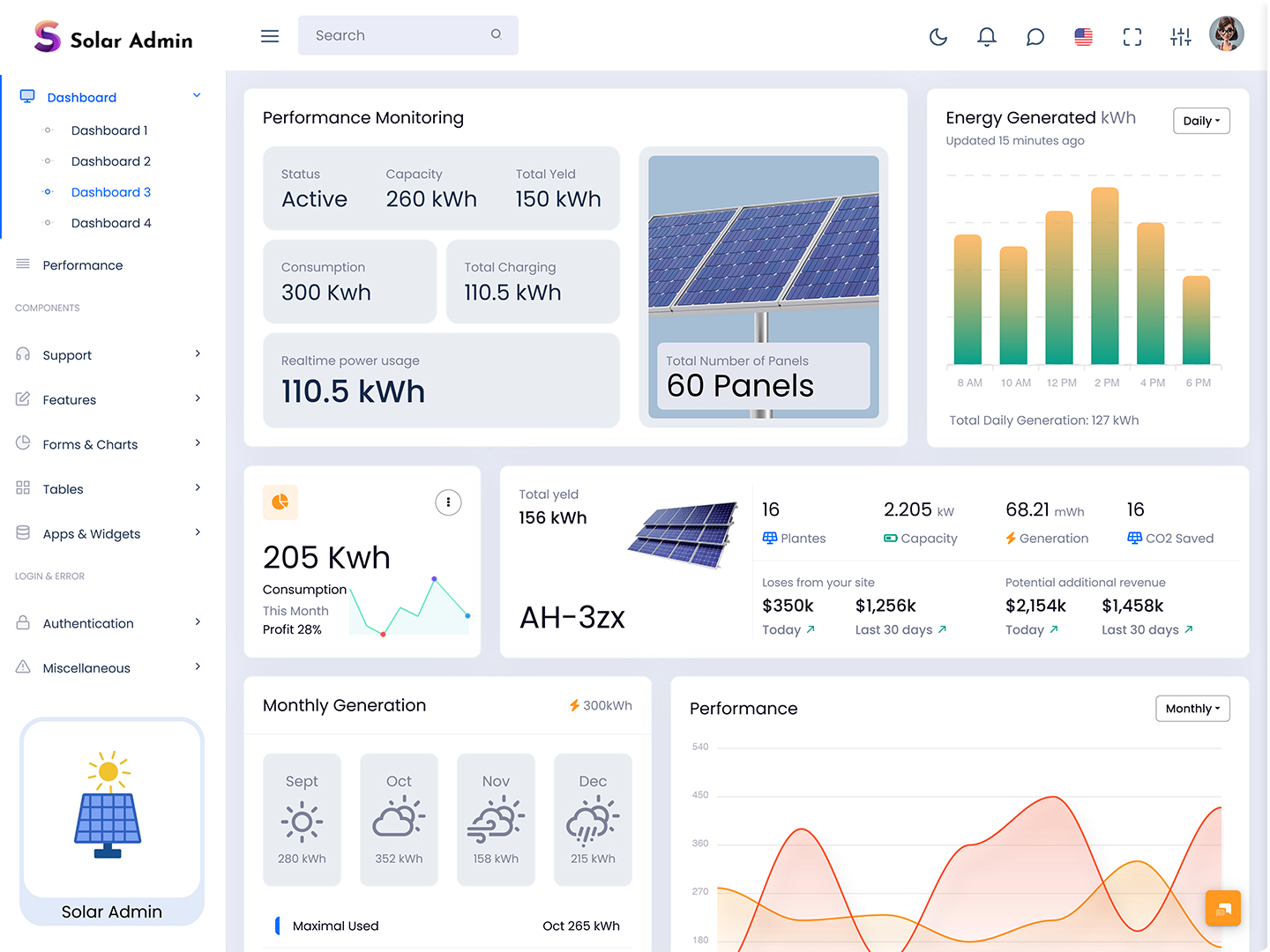
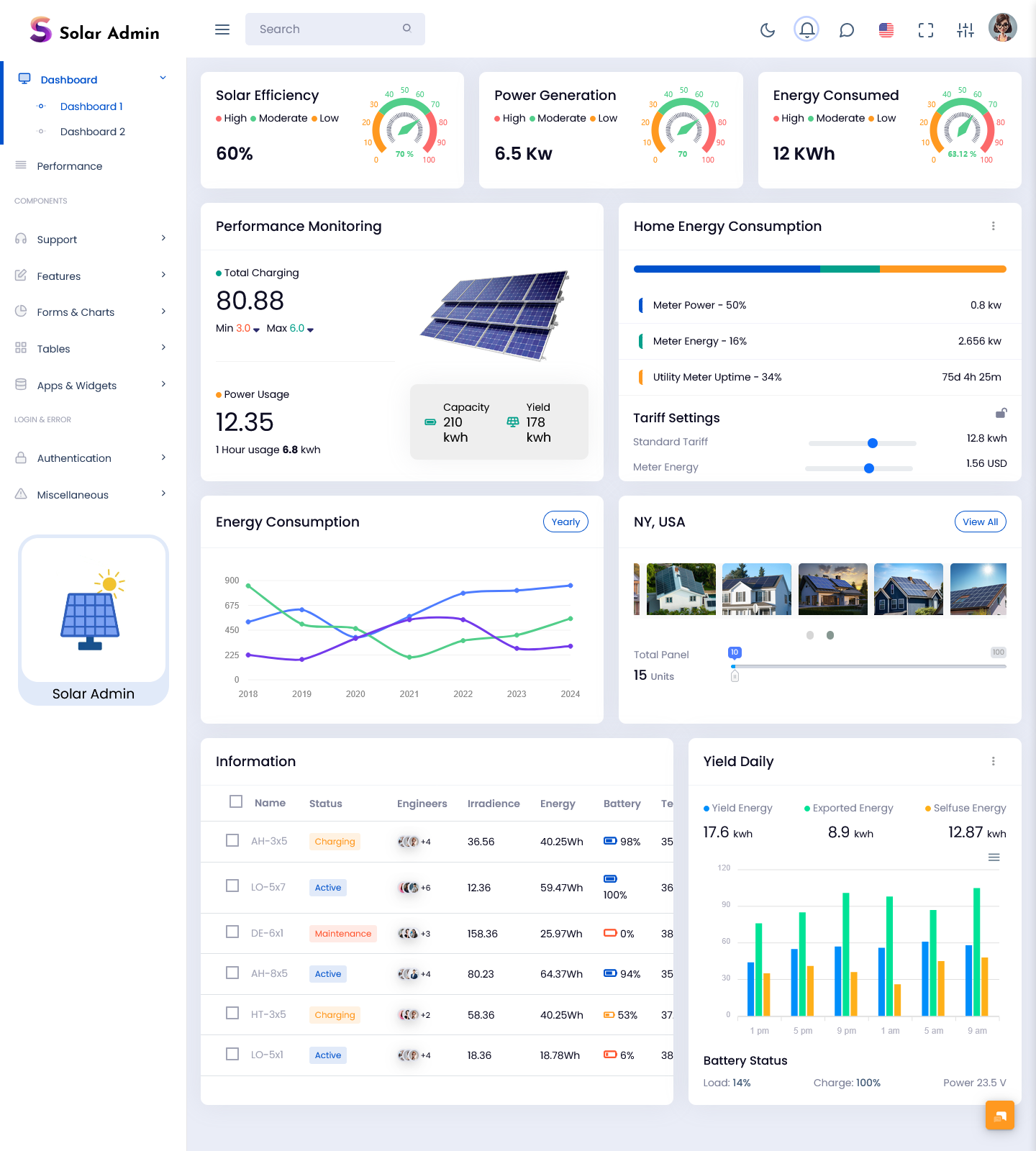
Managing a solar energy system becomes more challenging when users need to track generation, consumption,…
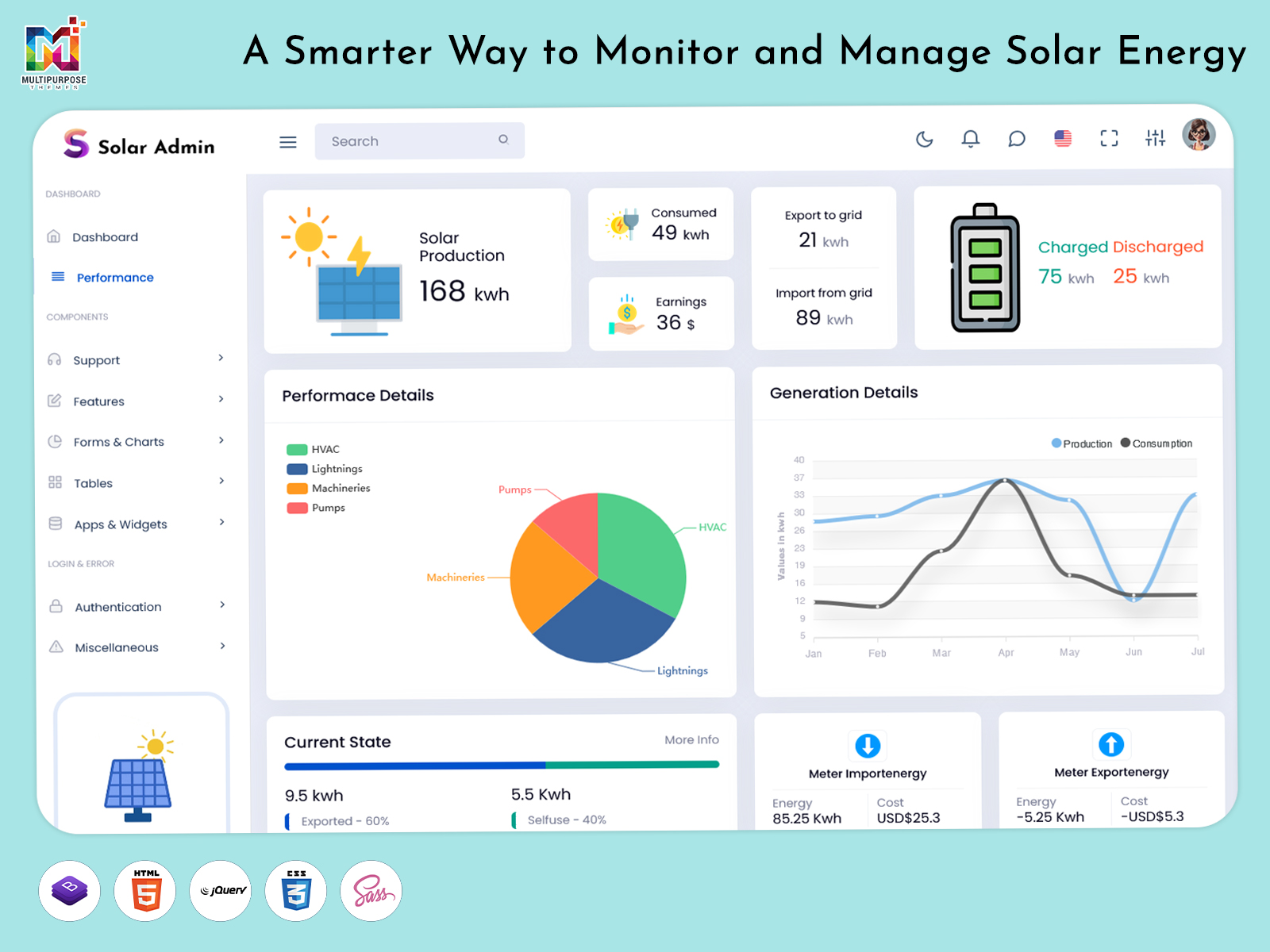
Solar Monitoring Mobile App: A Smarter Way to Monitor and Manage Solar Energy
Reading Time: 8 minutes
What is a Solar Dashboard?
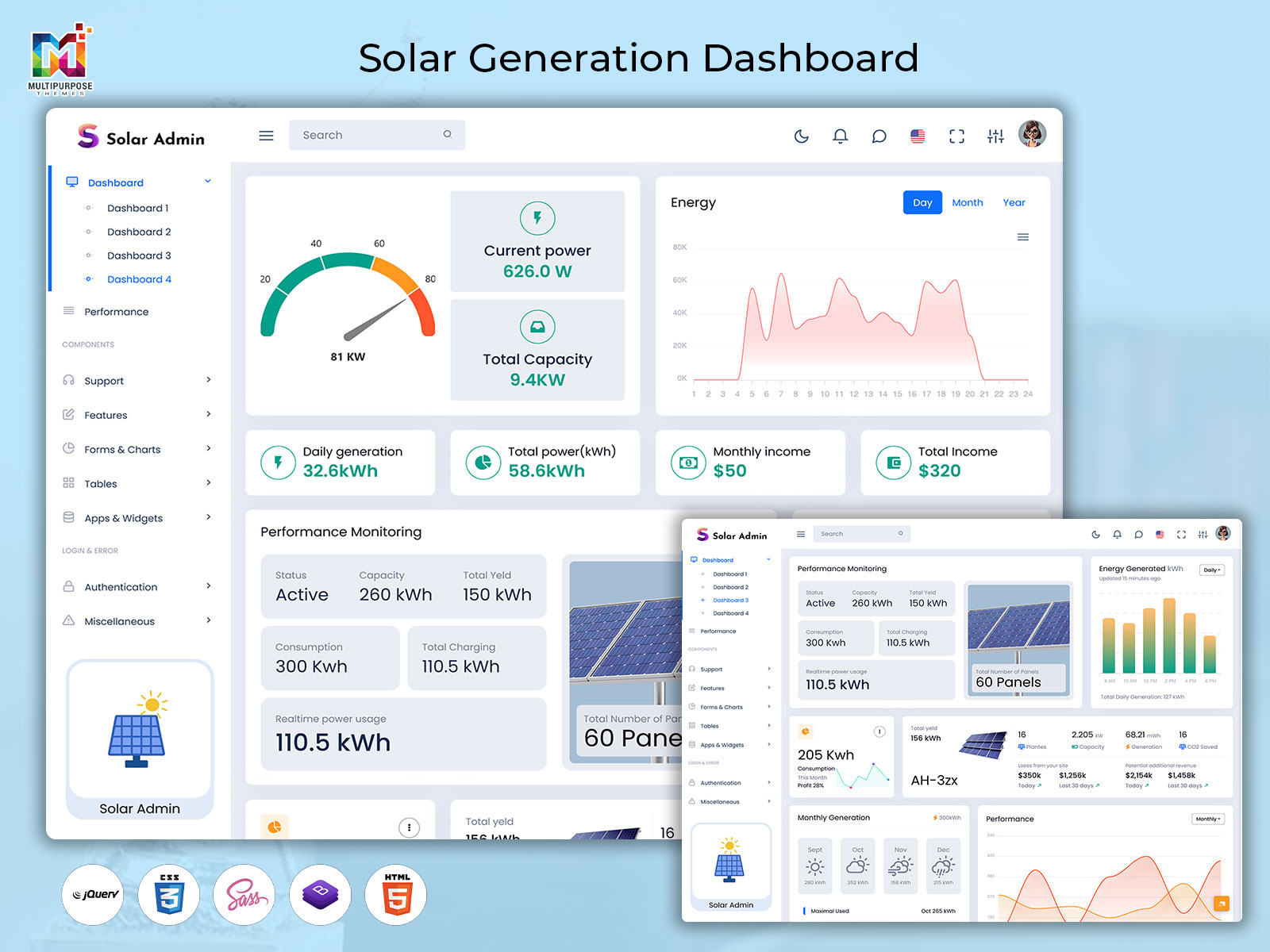
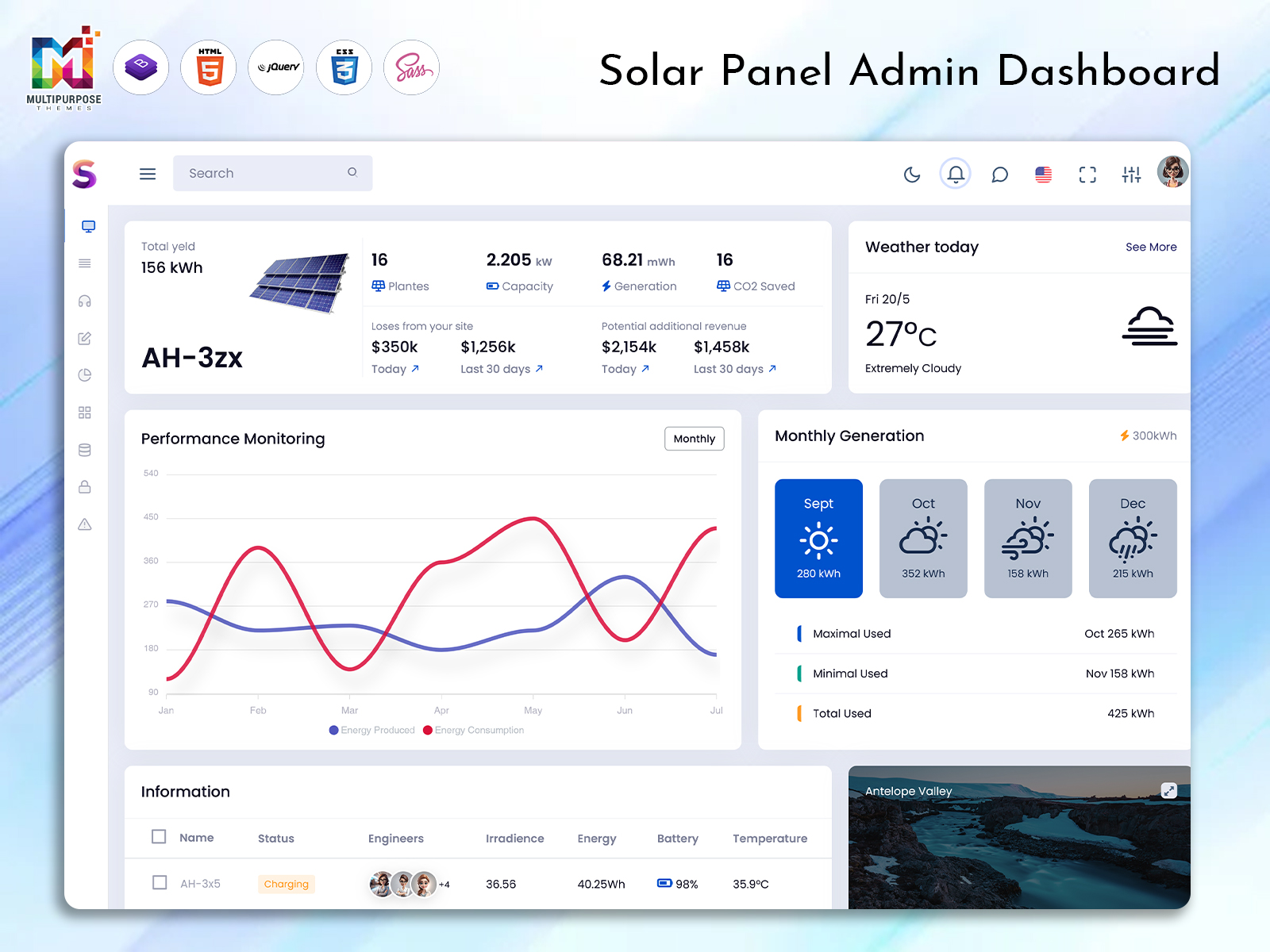
A Solar Dashboard is a digital interface designed to help users understand and manage information generated by a solar energy setup. It brings important information about a Solar Power System into one organized environment, allowing users to follow system activity without depending on multiple disconnected tools.
Watch Full Video
Solar installations generate information throughout the day. Energy production can change with sunlight, weather conditions, consumption patterns, system settings, and other operating factors. Reviewing all of this information manually can make it difficult to understand how the system is performing over time.
A well-designed dashboard gives users a central place to review this information. Instead of treating every reading as an individual record, the dashboard can present information in a structured way that makes the overall operation easier to understand.
Solar Modern Dashboards are particularly useful for presenting renewable energy information through a clean and contemporary interface. Their purpose is not simply to make a system look modern but to make important information easier for users to access and interpret.
Why is a Solar Dashboard Important?
A Solar Power System can produce a large amount of information over its operating period. Without a centralized monitoring environment, understanding this information may require manual checking or multiple tools.
A Solar Dashboard provides a structured way to bring relevant system information together. Users can review the current condition of the installation and understand how its activity changes over time.
This can be especially helpful for larger installations where monitoring becomes more complex. A commercial solar setup may involve several components and operating conditions, making centralized visibility more valuable.
A Solar System Monitoring App can also make information easier to access when users are away from the physical installation. Instead of depending on local equipment alone, authorized users can interact with the monitoring environment through supported digital devices.
Better visibility can help users identify unusual changes and investigate them when necessary. The dashboard does not need to make technical decisions automatically; its role is to make relevant information easier to understand.
VIEW DEMO BUY NOW
Features of Solar Dashboard
1. Centralized Solar Monitoring
A Solar Dashboard provides a common workspace for viewing important information related to a solar installation. Instead of checking separate sources, users can access relevant information through one organized interface. This centralized structure can make routine monitoring more convenient and provide a clearer understanding of the overall operation of the solar system.
2. Energy Information Visualization
A Solar Power System produces information that can be difficult to understand when presented only as raw records. A dashboard can organize this information visually so users can follow changes more easily. Clear presentation helps create a better connection between system activity and the people responsible for monitoring it.
3. Modern Monitoring Interface
Solar Modern Dashboards combine practical information with an interface designed for simple navigation and clear presentation. A modern structure can reduce visual clutter and make frequently used information easier to find. This creates a more comfortable monitoring experience for users who regularly check the performance of their solar installation.
4. Remote System Access
A Solar System Monitoring App can allow authorized users to access relevant solar information without always being physically present near the installation. This makes monitoring more flexible for homeowners, facility managers, and businesses. Remote access can be particularly useful when the solar system is installed at a location away from the user’s regular workplace.
5. Organized Performance Information
A Solar Dashboard can arrange solar-related information in a structured environment, helping users understand how the system is operating. Instead of reviewing unrelated readings individually, users can view information through a connected interface. This organization can make regular monitoring easier and provide useful context when system activity changes.
6. Responsive User Experience
A Solar System App should provide a practical experience across supported devices and screen sizes. Responsive design allows users to interact with monitoring information through different devices without being restricted to a single screen. This flexibility can make solar monitoring more convenient for users who need access from different locations.
7. Flexible Dashboard Structure
Every solar installation has different monitoring requirements. A flexible Solar Dashboard can be customized according to system size, user responsibilities, branding, and information needs. This allows developers to create an interface that focuses on relevant information instead of forcing every solar project to use an identical monitoring structure.
How a Solar Dashboard Helps Users Understand Energy Activity
Solar energy production is influenced by changing environmental and operational conditions. A system may behave differently during different periods of the day, making regular monitoring useful for understanding its operation.
A Solar Dashboard can organize this changing information in a way that allows users to compare current activity with previous records or expected patterns.
This does not mean users need to examine every measurement continuously. Instead, the dashboard can provide a convenient overview that helps them decide when closer attention may be necessary.
For a Solar Power System, having a centralized monitoring environment can also make communication easier between different people responsible for the installation.
For example, a facility manager and technical team can work from the same monitoring environment while maintaining their separate responsibilities.
The dashboard therefore becomes a communication tool as well as a monitoring interface.
VIEW DEMO BUY NOW
Solar System Monitoring App for Remote Management
A physical solar installation may not always be located close to the person responsible for monitoring it. This is common for businesses operating solar systems across different facilities or homeowners who want to check their installation while away from home.
A Solar System Monitoring App can make remote access more convenient by providing users with a digital environment for checking relevant system information.
Remote monitoring can save time because users do not need to visit the installation simply to review basic information. When something appears unusual, they can investigate the situation and decide whether further technical action is required.
A well-designed application should keep the interface simple. Users should be able to understand where important information is located without navigating through unnecessary sections.
This makes a Solar System App useful for both everyday monitoring and longer-term system management.
Benefits of Solar Dashboard
1. Centralized System Visibility
A Solar Dashboard provides users with a single environment for reviewing important solar system information. This reduces the need to depend on multiple monitoring sources and creates a clearer overall view. Centralized information can make regular system checks more convenient and help users understand changing operating conditions more easily.
2. Easier Remote Monitoring
A Solar System Monitoring App allows authorized users to access relevant information without always being physically present at the solar installation. This can save time for homeowners and businesses. Remote access is particularly valuable when systems are installed across large facilities or locations that are difficult to visit regularly.
3. Better Understanding of System Activity
A Solar Power System produces information continuously, and a dashboard can organize that information into a more understandable format. Users can review changing activity through a structured interface rather than dealing with disconnected records. This can help them recognize unusual changes and decide when further investigation may be appropriate.
4. Supports Regular Monitoring
Consistent monitoring can help users stay aware of how their solar installation is operating. A Solar Dashboard provides a convenient place for regular checks, making it easier to maintain a monitoring routine. Users can review relevant information without creating a separate process every time they want to understand system activity.
5. Convenient User Experience
A well-designed Solar System App can make solar monitoring easier for users with different levels of technical knowledge. Clear navigation and organized information reduce unnecessary complexity. This allows users to focus on understanding their system instead of spending excessive time learning how to navigate the monitoring interface.
6. Useful for Different Solar Installations
Solar Modern Dashboards can be adapted for residential, commercial, and other solar energy applications. Their flexible structure allows organizations to adjust the interface according to system size and user requirements. This makes the dashboard suitable for different monitoring environments instead of limiting it to one specific type of installation.
7. Supports Long-Term Management
A solar dashboard can become part of a longer-term monitoring strategy. As the Solar Power System continues operating, users can maintain a consistent digital environment for reviewing information. This creates a stronger foundation for ongoing management and allows the interface to evolve as system or business requirements change.
A Solar Dashboard as a Long-Term Digital Tool
Solar monitoring should not be considered only a short-term activity. A solar installation can operate for many years, and the way users monitor it may need to evolve during that time.
A Solar Dashboard can provide a consistent digital environment that supports this long-term process.
As businesses expand their renewable energy installations, they may need to manage information from multiple locations. A centralized monitoring structure can help make this process more organized.
A Solar System Monitoring App can also make the monitoring environment more accessible to different users and locations.
The system should therefore be designed with future requirements in mind. Flexible architecture and customizable interfaces can help the dashboard remain useful as the organization and its solar infrastructure develop.
Conclusion
A Solar Dashboard provides a centralized way to monitor and understand information generated by a solar energy installation. By bringing relevant information into one organized interface, it can make routine monitoring easier and more convenient.
A Solar System Monitoring App can extend this convenience by supporting remote access, while a flexible Solar System App can be designed around the specific requirements of different users and installations.
For businesses and individuals managing a Solar Power System, the main value of a dashboard lies in visibility, organization, and usability. A dashboard should not overwhelm users with unnecessary information. Instead, it should help them understand what is happening and identify areas that may require attention.
With thoughtful design, flexible customization, and a clear focus on user needs, Solar Modern Dashboards can become a useful part of modern solar energy management.
Frequently Asked Questions
1. What is a Solar Dashboard used for?
A Solar Dashboard is used to organize and present information related to a solar energy installation. It gives authorized users a centralized environment where they can monitor system activity and understand changes over time. The exact information shown depends on the type and requirements of the solar installation.
2. Can a Solar Dashboard be used for residential systems?
Yes. A Multi Purpose Themes Solar Dashboard can be designed for residential solar installations as well as larger commercial systems. Homeowners may prefer a simple interface that makes system activity easy to understand, while larger installations may require a more detailed monitoring environment for professional users.
3. What is a Solar System Monitoring App?
A Multi Purpose Themes Solar System Monitoring App is a digital application that allows users to access information related to their solar installation. Depending on its design, it can provide a convenient way to monitor system activity remotely and reduce the need for users to be physically present at the installation.
4. Can a Solar Dashboard support multiple solar installations?
Yes. A Multi Purpose Themes dashboard can be designed to support information from multiple installations, depending on the technical architecture of the system. This can be particularly useful for businesses or organizations managing solar systems at different locations and wanting a centralized environment for monitoring their renewable energy assets.
5. Is a Solar System App useful for non-technical users?
Yes. A properly designed Solar System App can present information in a simple and understandable format. Users do not necessarily need advanced technical knowledge to benefit from a monitoring application. Clear navigation and organized information can make it easier for general users to understand their solar system’s activity.
6. Can Solar Modern Dashboards be customized?
Yes. Multi Purpose Themes Solar Modern Dashboards can be customized according to the installation, branding, user roles, monitoring requirements, and information priorities of a business or individual. Customization allows developers to create an interface that provides relevant information without adding unnecessary complexity to the user’s monitoring experience.
7. Can Multi Purpose Themes be used for solar dashboard development?
Yes. Multi Purpose Themes can provide dashboard and admin interface foundations that developers can adapt for solar monitoring applications. The selected design can be customized according to the solar project’s branding, workflow, user requirements, and technical functionality. Developers should tailor the final dashboard to the actual needs of the solar energy application.

Related Posts
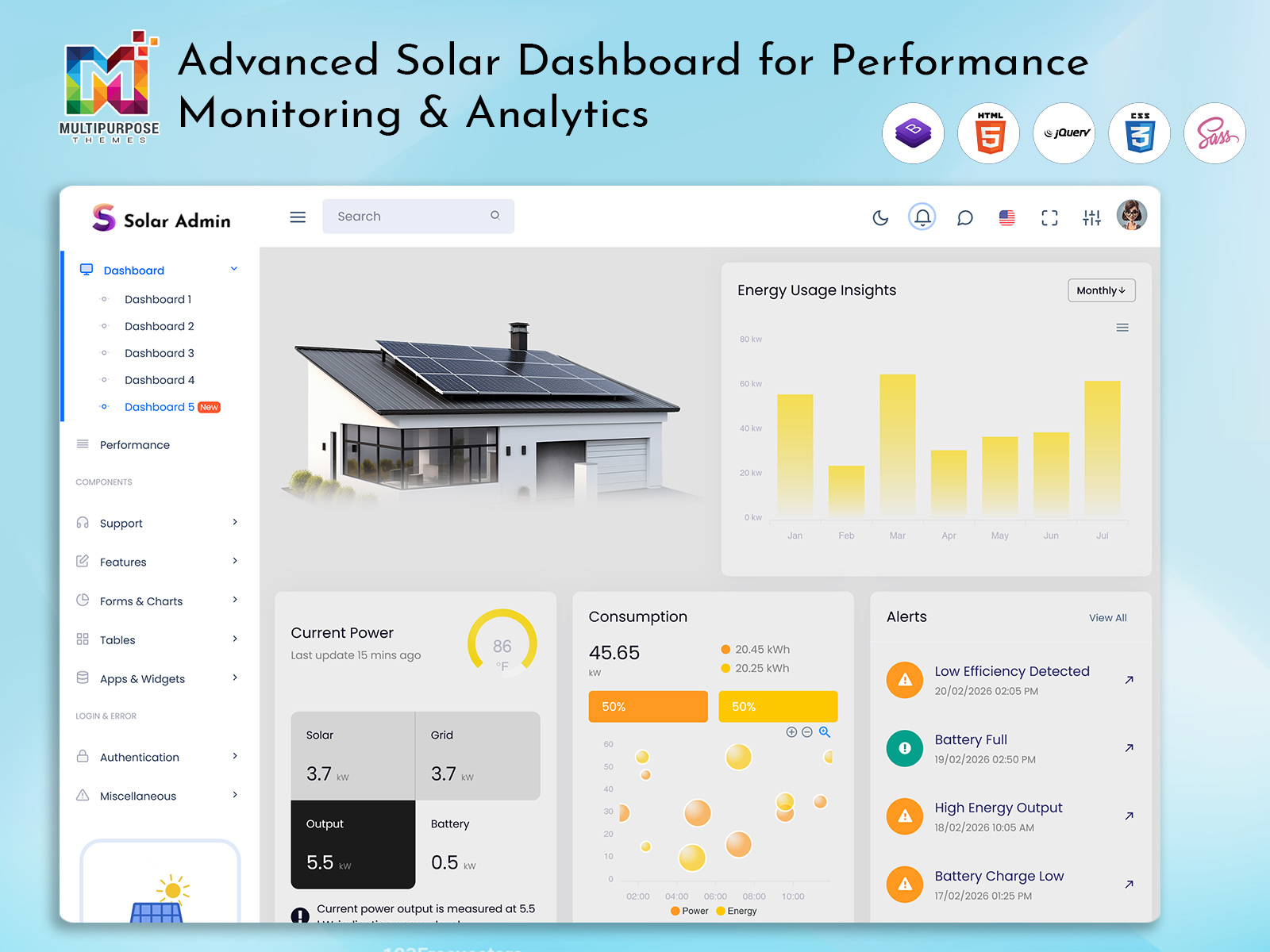

This Post Has 0 Comments