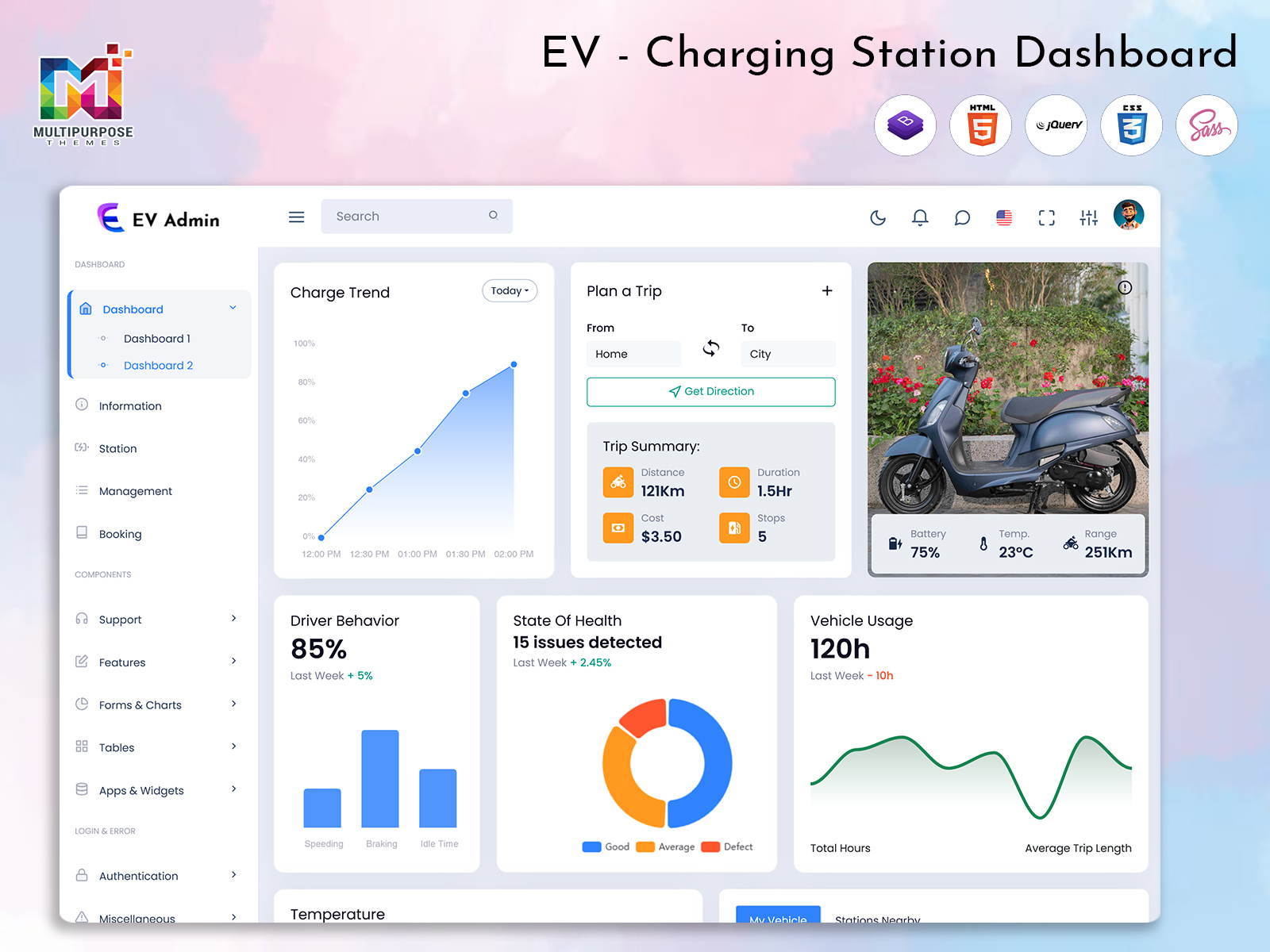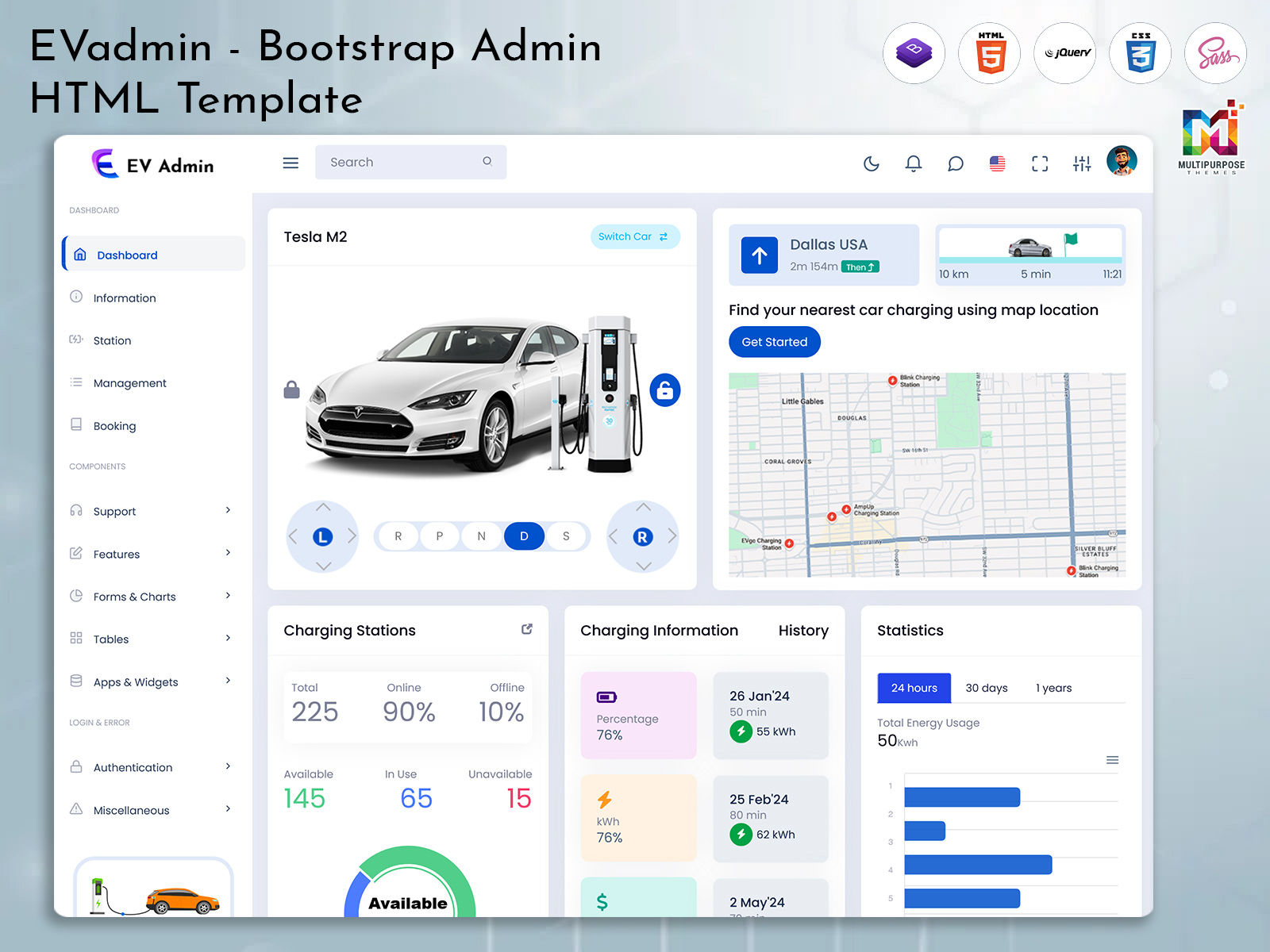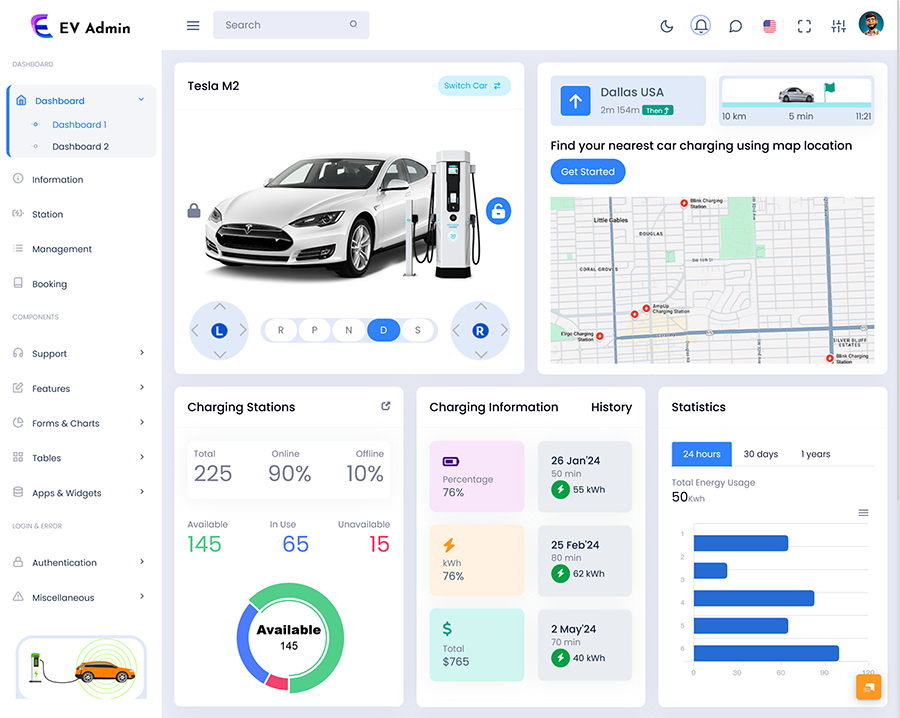
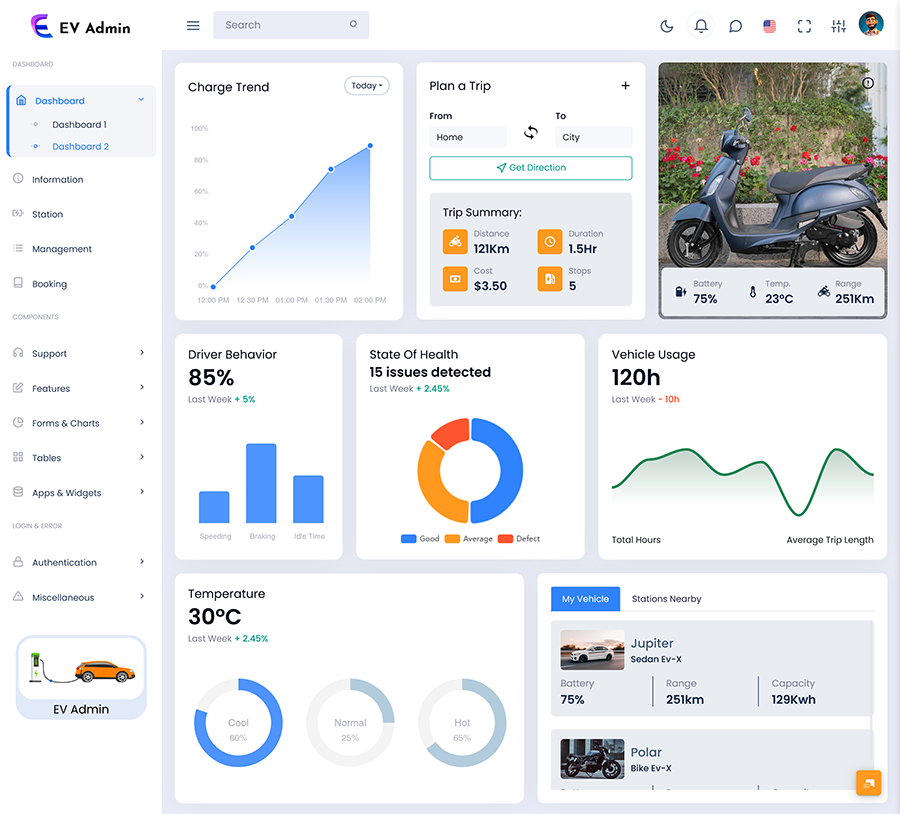
The electric vehicle industry is growing rapidly across the world. As more people choose electric…
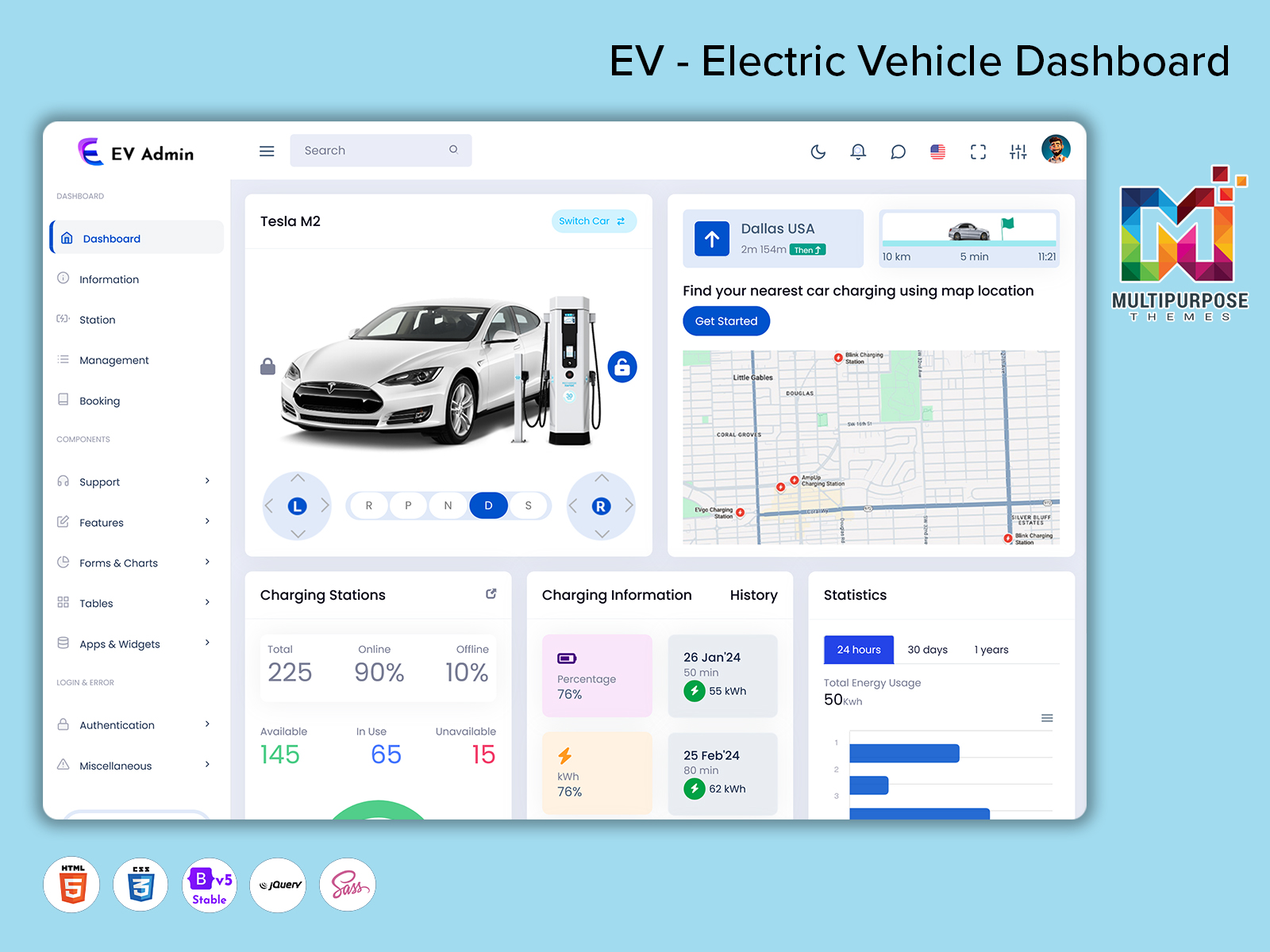
EV Template: A Smarter Way to Manage Electric Vehicle Charging Operations
Reading Time: 7 minutes
What is an EV Dashboard?
An EV Dashboard is a centralized digital interface designed to help businesses, charging operators, fleet managers, and other users monitor and manage electric vehicle charging activities. It brings important charging information into one organized environment so users can understand what is happening across charging stations without depending on several disconnected systems.
Watch Full Video
The growth of electric vehicles has created a growing need for better charging management. Operators may need to monitor several charging points, understand station activity, review usage information, and keep track of operational performance. Managing all these activities manually can become difficult as the number of vehicles and charging locations increases.
An Electric Car Dashboard provides a structured workspace for presenting this information. Instead of checking individual stations separately, users can review relevant information through a common interface and get a clearer picture of charging operations.
An EV Charging Dashboard can be designed for different types of users. A charging station operator may require a broad operational view, while a fleet manager may be more interested in vehicle usage and charging activity.
For developers, an Ev Template can provide a useful starting point for creating an EV management interface. The template can be customized according to the application’s branding, workflow, user roles, and technical requirements.
Why is an EV Dashboard Important?
The increasing adoption of electric vehicles is creating more demand for organized charging infrastructure. As charging networks grow, operators need effective ways to understand how their stations are being used.
An EV Dashboard provides a centralized monitoring environment where charging-related information can be organized and reviewed.
Without a structured system, operators may have to depend on separate station records, spreadsheets, or different software interfaces. This can make it difficult to maintain a consistent view of charging operations.
An EV Charging Management Dashboard can reduce this complexity by providing a common workspace for authorized users. It can help organizations understand current activity and review information relevant to their charging network.
For fleet operators, an Electric Car Dashboard can also provide a convenient way to understand charging activity across vehicles and locations.
The importance of the dashboard increases as the charging network becomes larger. A small installation may be easy to monitor manually, but multiple charging stations require a more structured management approach.
VIEW DEMO BUY NOW
Features of EV Dashboard
1. Centralized Charging Workspace
An EV Dashboard provides a common environment for organizing information related to electric vehicle charging. Users can work with relevant charging information through one interface rather than checking separate sources. This centralized structure can make daily monitoring easier and provide operators with a clearer understanding of their charging infrastructure.
2. Charging Activity Visibility
An EV Charging Dashboard can present charging-related information in a structured way so users can understand current station activity. Rather than reviewing individual records separately, operators can use the dashboard as a common reference point. This makes it easier to follow charging operations and recognize changes that may require attention.
3. Station Management Interface
An EV Charging Management Dashboard can provide a dedicated environment for managing information connected with charging stations. Its structure can be adapted according to the size of the network and operational requirements. This helps operators maintain an organized view of charging infrastructure without depending on disconnected administrative processes.
4. Electric Vehicle Monitoring
An Electric Car Dashboard can organize information associated with electric vehicle usage and charging activity. This can be useful for businesses managing electric fleets or charging services. A structured interface gives users a convenient way to review relevant information and understand how vehicles interact with the available charging infrastructure.
5. Flexible Dashboard Structure
Different charging businesses have different requirements, so flexibility is important. An EV Dashboard can be customized around the organization’s workflow, branding, user roles, and charging infrastructure. This allows developers to create a management environment that fits the actual business instead of forcing every charging operator to use an identical interface.
6. Responsive User Experience
An EV Charging Dashboard should remain convenient to use across supported devices and screen sizes. A responsive interface allows authorized users to review charging information from different locations. This can be useful for operators and managers who may need to monitor charging activity while moving between offices, stations, or other work environments.
7. Scalable Management Environment
An Ev Template can provide a flexible foundation for building an EV management interface that can grow with the application. Developers can adapt the structure as charging stations, users, vehicles, and operational requirements increase. This makes the template useful as a starting point for both smaller projects and expanding EV platforms.
EV Charging Management Dashboard for Growing Networks
A single charging station may be relatively easy to manage. However, organizations operating multiple charging locations face a different challenge.
Each additional station can create more information, users, maintenance responsibilities, and operational requirements.
An EV Charging Management Dashboard provides a centralized environment for handling this growing complexity. It can give authorized managers a broader view of the charging network while allowing individual teams to focus on their assigned responsibilities.
The dashboard can also be designed around different access levels. A network administrator may need wider visibility, while a local station operator may only require information related to a particular location.
This role-based approach can help reduce unnecessary information and make the system easier to use.
As the network expands, the dashboard can also be customized to support additional requirements, making it a useful part of a long-term EV management strategy.
VIEW DEMO BUY NOW
Supporting Better Charging Infrastructure Management
Charging infrastructure requires ongoing attention. Operators need to understand how their stations are being used and whether the available system is meeting business requirements.
An EV Dashboard can create a centralized management environment that makes this process more organized.
When charging information is presented consistently, managers can review activity without depending on different formats or manually prepared records.
An EV Charging Management Dashboard can also support communication between different operational teams. Everyone with appropriate access can work from a common digital environment.
This can be especially useful when charging infrastructure is distributed across multiple locations.
The dashboard does not replace technical maintenance or operational expertise. Instead, it provides a digital workspace that helps users organize information and manage charging activities more effectively.
Benefits of EV Dashboard
1. Centralized Charging Information
An EV Dashboard brings important charging information into one structured environment. This reduces the need to work with several disconnected sources and gives authorized users a clearer view of their charging operations. Centralized information can make regular monitoring easier and help teams maintain a more consistent approach to managing EV infrastructure.
2. Better Station Visibility
An EV Charging Dashboard allows operators to maintain a broader view of charging station activity. Instead of checking every location independently, users can work through a common management environment. This can make it easier to understand network activity and identify areas that may require closer attention.
3. Supports Fleet Management
An Electric Car Dashboard can be useful for businesses managing electric vehicle fleets. It provides a structured environment for reviewing vehicle-related charging information. This can help fleet managers maintain a clearer understanding of charging activity and organize their operations around the requirements of their electric vehicles.
4. Simplifies Network Administration
An EV Charging Management Dashboard provides a centralized workspace for managing charging infrastructure. Administrators can work with relevant information through a consistent interface rather than relying on disconnected processes. This can reduce administrative complexity and create a more organized environment for businesses operating multiple charging locations.
5. Scales with Business Growth
As charging networks expand, the amount of information and number of responsibilities also increase. An EV Dashboard can provide a scalable management structure that can be adapted as new stations, users, and operational requirements are introduced. This allows businesses to develop their digital management environment alongside their EV infrastructure.
6. Improves Accessibility
A responsive EV Charging Dashboard can make relevant charging information available across supported devices. This allows authorized users to monitor operations from different locations rather than being restricted to one workstation. Better accessibility can be especially useful for managers responsible for charging infrastructure spread across multiple sites.
7. Creates a More Organized Workflow
An Ev Template can provide a structured foundation for developing a customized EV management environment. When the interface is adapted around actual business processes, users can follow their responsibilities more easily. This can reduce unnecessary navigation and help create a consistent workflow for managing electric vehicle charging activities.
Conclusion
An EV Dashboard provides a centralized way to organize and manage information related to electric vehicle charging operations. It can help businesses, charging operators, and fleet managers create a more structured environment for monitoring their EV infrastructure.
An EV Charging Dashboard can improve visibility across charging activities, while an EV Charging Management Dashboard can provide a broader environment for managing multiple stations and operational responsibilities.
An Electric Car Dashboard can also support organizations that need to understand vehicle-related charging activity, particularly in fleet environments.
For developers, an Ev Template can provide a flexible starting point for creating customized EV applications. The final interface should be adapted according to the project’s users, workflow, branding, and technical requirements.
As electric mobility continues to develop, organized digital management will become increasingly important. A simple, scalable, and user-focused EV dashboard can help businesses manage charging operations more efficiently while preparing their infrastructure for future growth.
Frequently Asked Questions
1. What is an EV Dashboard used for?
An EV Dashboard is used to organize and monitor information related to electric vehicle charging operations. It provides a centralized environment where authorized users can review charging activity, manage relevant information, and understand the overall condition of their EV infrastructure. The exact functions depend on the requirements of the application.
2. What is an EV Charging Dashboard?
A Multi Purpose Themes EV Charging Dashboard is a digital interface designed specifically for managing information connected with electric vehicle charging. It can be used by charging operators, fleet managers, businesses, or other organizations that need a structured way to monitor and manage charging-related activities.
3. Can an EV Dashboard manage multiple charging stations?
Yes. An EV Dashboard can be designed to support multiple charging stations, depending on the application’s technical architecture. This is particularly useful for charging network operators and businesses with several locations because it provides a centralized environment for monitoring and managing distributed charging infrastructure.
4. Who can use an EV Charging Management Dashboard?
An EV Charging Management Dashboard can be used by charging network administrators, fleet managers, station operators, business owners, and other authorized users. Access can be structured according to responsibilities so each person can work with the information required for their role.
5. What is an Electric Car Dashboard?
A Multi Purpose Themes Electric Car Dashboard is an interface that organizes information associated with electric vehicles and their charging activities. It can be useful for fleet operators and other businesses that need a convenient way to understand vehicle-related charging information within a centralized digital environment.
6. Can an Ev Template be customized?
Yes. A Multi Purpose Themes Ev Template can be customized according to the project’s branding, user roles, charging workflow, information requirements, and technical functionality. Developers can modify the interface to create a more suitable experience for a particular EV application instead of relying on a fixed design.
7. Can Multi Purpose Themes be used for EV dashboard development?
Yes. Multi Purpose Themes can provide dashboard and admin interface foundations that developers can adapt for EV-related applications. The selected interface can be customized according to charging station requirements, user roles, branding, workflow, and application functionality. Developers should tailor the final dashboard to the specific technical and operational needs of the project.

Related Posts