

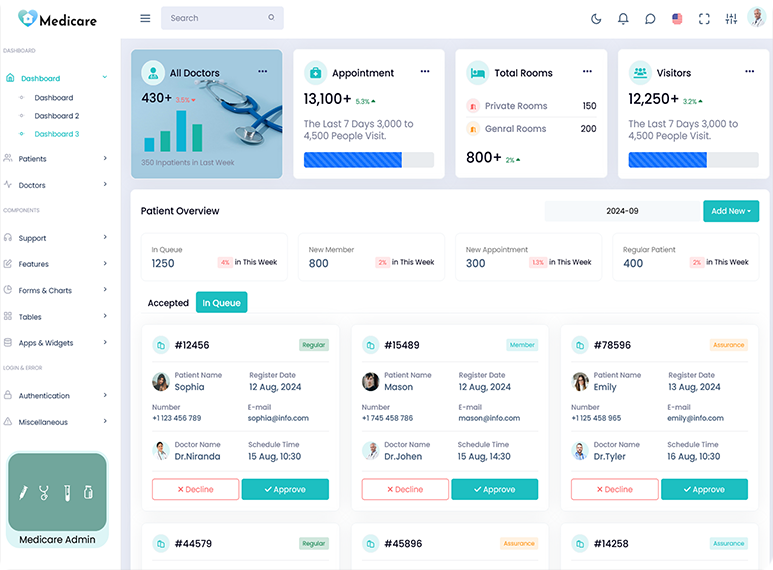
A Hospital Dashboard provides a digital workspace where important hospital information can be arranged according…
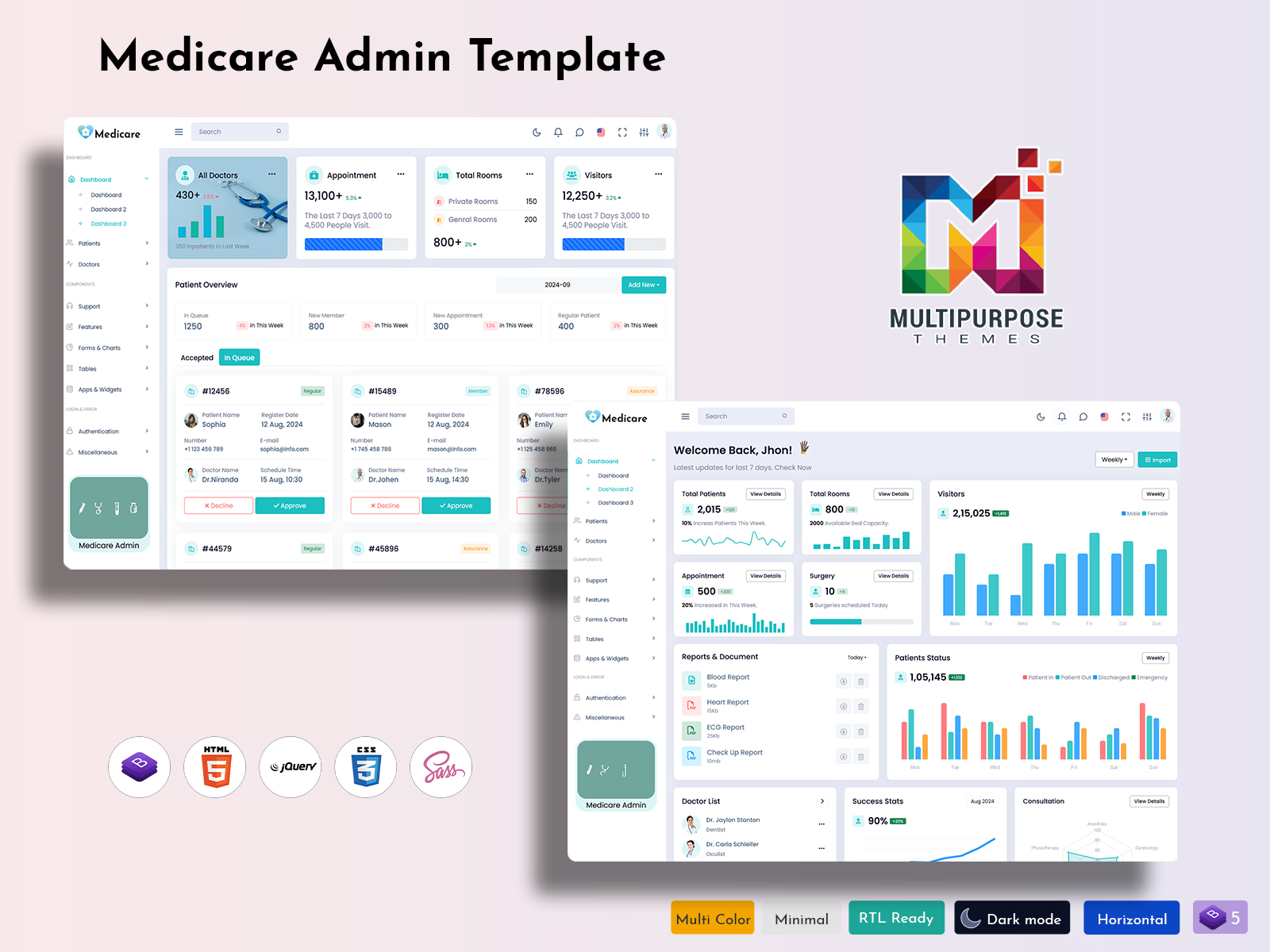
Smart Care Patient Dashboard for Hospital Networks
Reading Time: 6 minutes
Managing healthcare information has become easier with modern digital systems designed for hospitals and clinics. A smart Patient Dashboard helps doctors, staff, and healthcare teams organize patient activities in a simple and structured way. From appointments to medical history, every important detail can be viewed from one centralized platform. This type of system improves workflow and supports better communication between departments without creating confusion during daily operations.
Watch Full Video
Today, medical centers prefer digital solutions that reduce paperwork and improve service speed. A modern dashboard allows healthcare professionals to access reports, monitor treatment progress, and manage records more efficiently. Features like live updates, charts, report tracking, and organized layouts make the platform more useful for hospitals of every size. Well-designed hospital management systems also help reduce manual mistakes while improving the overall patient experience through faster access to information.
Patient Dashboard Template for Smart Healthcare Monitoring
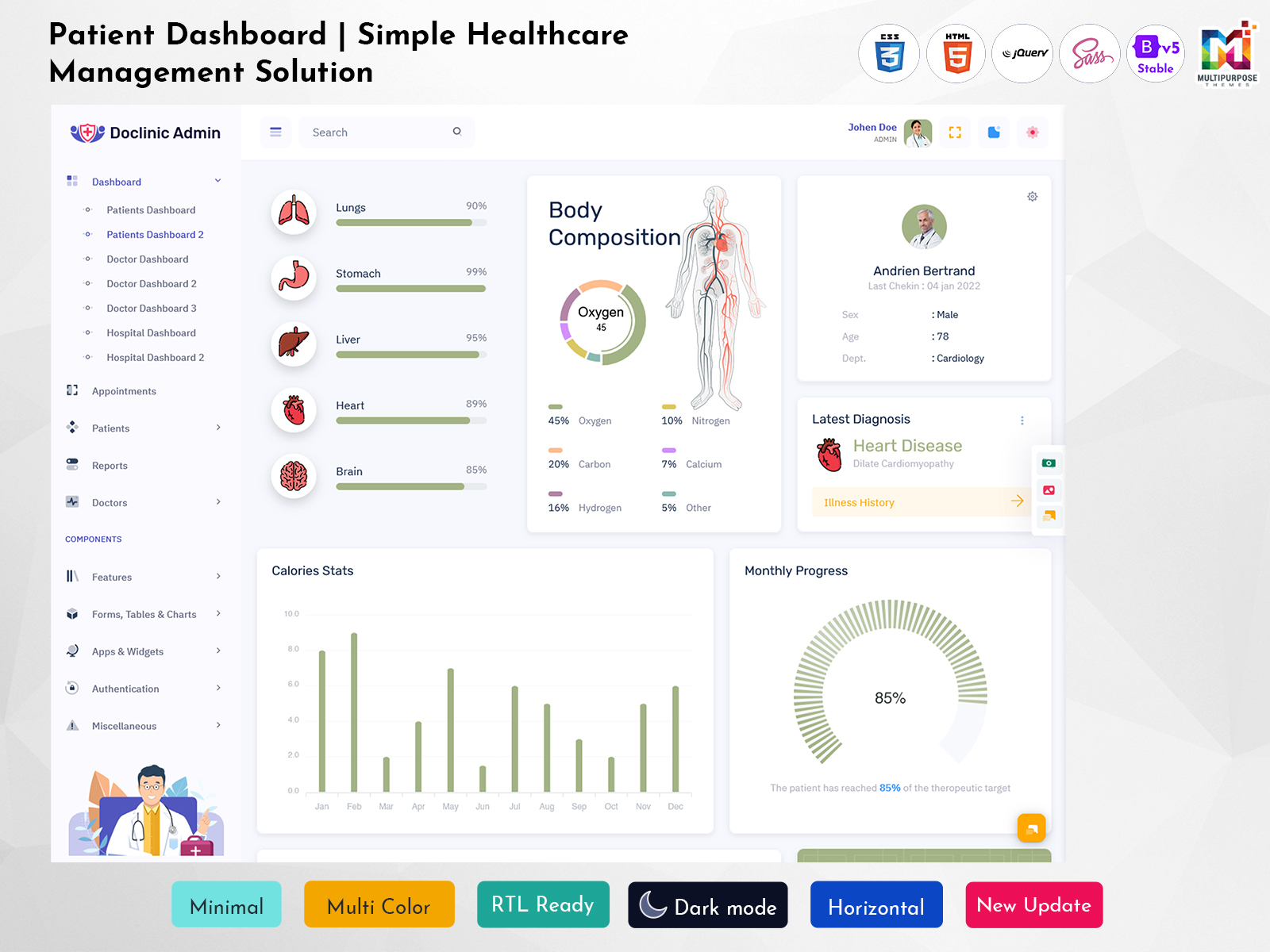
A Smart Care Patient Dashboard is a digital healthcare interface created to simplify hospital operations and patient monitoring activities. It helps medical teams view treatment records, appointment schedules, prescriptions, billing updates, and clinical reports from a single connected platform. A professionally designed Patient Dashboard Template improves navigation and allows healthcare staff to manage daily tasks with greater speed and accuracy. Hospitals can use this system to reduce manual paperwork while improving communication between doctors, reception teams, and administrators.
Modern healthcare platforms also support visual tracking tools that improve data understanding for hospital teams. Features like charts, activity summaries, notification panels, and real-time updates make the dashboard more interactive and practical for healthcare environments. A well-structured interface helps clinics organize Patient Data securely while giving doctors quick access to important medical information during consultations. This type of smart dashboard solution supports better decision-making, smoother hospital workflows, and a more organized healthcare management experience.
VIEW DEMO BUY NOW
Patient Dashboard Benefits
1. Faster Access to Medical Information
Healthcare professionals can quickly review appointments, prescriptions, laboratory reports, and treatment updates from one connected platform. A modern patient management system reduces time spent searching through paperwork and helps doctors make faster medical decisions during consultations and emergency situations.
2. Better Hospital Workflow Management
Digital healthcare systems improve coordination between departments by keeping every update synchronized in real time. Smart healthcare interfaces help administrators manage admissions, discharge activities, scheduling, and operational tasks more efficiently without creating delays in hospital processes.
3. Improved Record Organization
Hospitals handle large amounts of healthcare information every day, making structured data management extremely important. Modern medical platforms help healthcare teams organize clinical histories, billing information, prescriptions, and treatment reports in a secure and accessible environment.
4. Enhanced Data Visualization
Interactive reporting tools and visual summaries help healthcare professionals understand patient progress more clearly. Graphical monitoring systems allow doctors and administrators to review recovery trends, healthcare statistics, and clinical activities through organized visual presentations.
5. Better Experience for Patients and Staff
Digital healthcare dashboards reduce manual work, improve communication, and support smoother hospital operations. Connected medical management systems create a more organized healthcare environment where hospital teams can provide quicker support and improve the overall patient care experience.
Patients List Dashboard for Connected Healthcare Systems
Modern hospitals use digital platforms to improve communication, treatment monitoring, and operational management. A smart Doctor Dashboard Template helps healthcare professionals handle appointments, prescriptions, patient activities, and medical workflows from one connected system. Doctors can quickly review reports, monitor treatment progress, and organize daily schedules without depending on manual paperwork. This structured process supports faster medical decisions while improving coordination between departments inside the hospital environment.
A responsive healthcare platform also allows administrators to manage records, billing, admissions, and discharge processes with better accuracy. Through a well-designed Patients List Dashboard, hospital staff can track patient movement, view live updates, and organize medical details more efficiently. Visual charts, report sections, and simplified navigation improve accessibility for healthcare teams while supporting smooth data management across clinics, diagnostic centers, and multi-specialty hospitals.
Patient Report Dashboard for Secure Medical Data Control
Healthcare organizations handle large amounts of information every day, including appointments, prescriptions, billing details, treatment history, and laboratory reports. A modern Patient Report Dashboard helps hospitals organize this information inside a secure and structured system. Medical staff can quickly update records, manage reports, and monitor patient activities without depending on paper files or disconnected software. This organized digital process reduces errors and helps healthcare teams maintain accurate records for every patient visit.
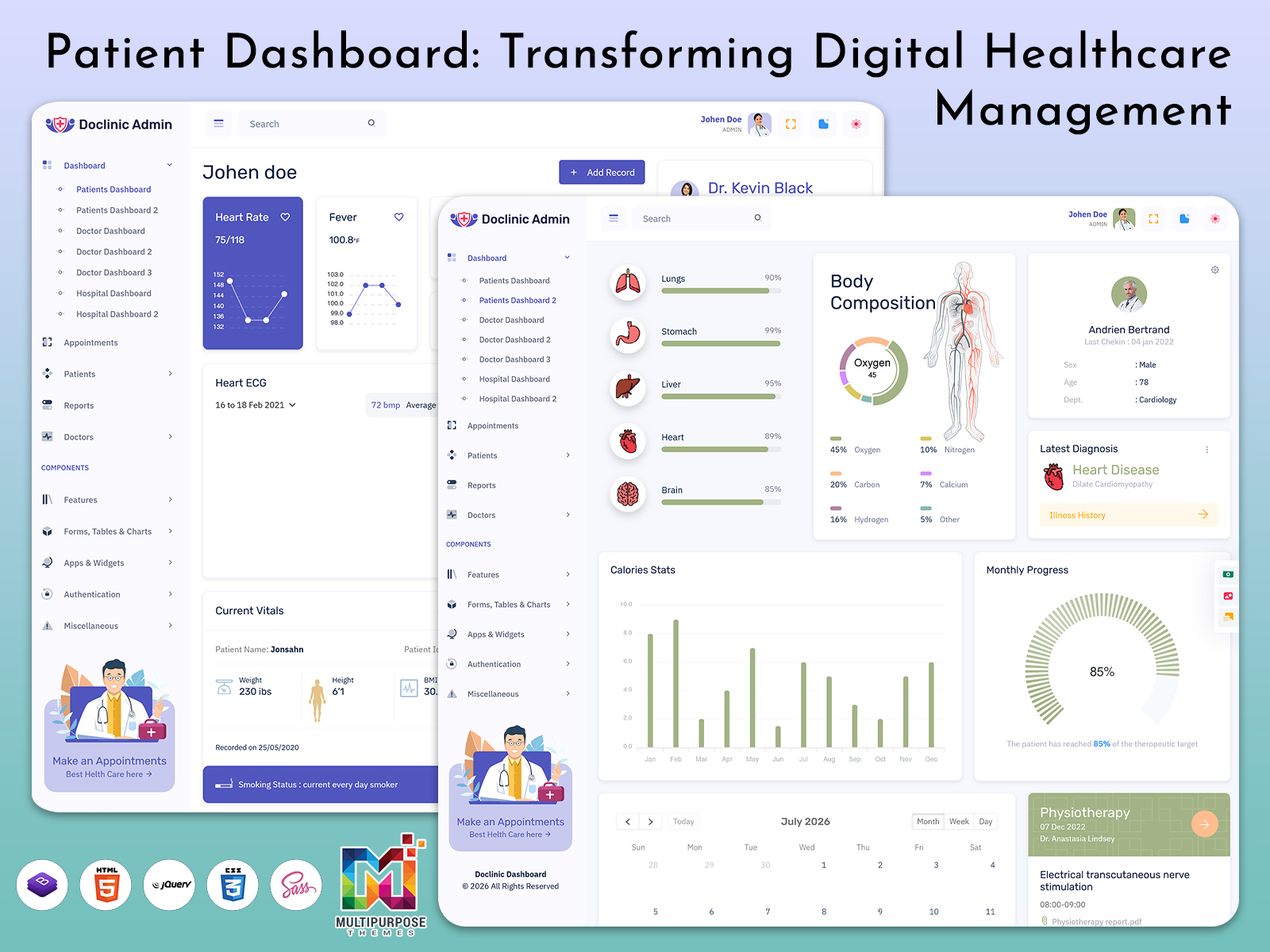
Smart healthcare platforms also improve accessibility through centralized data management tools designed for hospitals and clinics. A responsive Dashboard UI allows doctors, nurses, and administrators to search patient details, review medical history, and manage reports from any connected device. Real-time synchronization keeps departments updated instantly, improving communication across healthcare teams. Secure storage systems, interactive reporting panels, and automated workflows help hospitals maintain efficiency while protecting sensitive patient information.
Hospital Patients Page for Quick Medical Information Access
Modern healthcare systems are designed to help doctors and hospital staff access patient information quickly during daily operations. A smart Hospital Patients Page allows healthcare teams to view appointments, treatment progress, prescriptions, billing records, laboratory reports, and admission details from one organized platform. This simplified access reduces confusion and helps doctors make faster decisions during emergency situations or regular consultations. Hospitals can also improve coordination between departments because every update becomes available in real time across the system.
Advanced digital healthcare platforms also improve monitoring through smart reporting tools and structured patient profiles. A responsive Patients Dashboards solution helps medical teams track recovery progress, review clinical activities, and manage patient histories with greater convenience. Visual summaries, organized categories, and instant search features make the dashboard easier for administrators and healthcare professionals to use. This efficient workflow improves operational performance while helping hospitals deliver a smoother and more reliable patient care experience.
Patient Dashboard Solutions for Future-Ready Healthcare Systems
Digital healthcare technology is continuously transforming the way hospitals manage patients, reports, and medical operations. Today, a modern patient dashboard helps healthcare providers simplify appointments, treatment monitoring, patient tracking, and administrative activities through one connected platform. Hospitals are adopting smart dashboard systems to reduce paperwork, improve operational speed, and create better communication between doctors, nurses, and management teams. These solutions also support secure data handling while improving the overall experience for patients and healthcare professionals.
In the future, healthcare dashboards will become more advanced with intelligent automation, predictive reporting, and real-time monitoring capabilities. Smart healthcare management systems will support faster decision-making through data-driven insights, live analytics, and improved workflow management features. Hospitals may also integrate artificial intelligence, cloud storage, and remote healthcare services into dashboard platforms for more efficient patient care. As healthcare technology continues evolving, digital dashboard systems will play a major role in building smarter, faster, and more connected medical environments.
Conclusion
Modern healthcare organizations require smart digital systems to manage patient records, medical reports, appointments, and hospital operations efficiently. A well-designed Patient Report Page helps healthcare providers simplify daily workflows while improving communication between departments and medical teams. Through organized interfaces, real-time updates, and secure record management, hospitals can deliver faster services and maintain better operational control without depending heavily on manual processes.
Digital healthcare dashboards are becoming an important part of hospitals, clinics, and diagnostic centers because they improve accuracy, accessibility, and patient management. A responsive Hospital admin template supports healthcare professionals by providing centralized access to treatment information, billing details, and medical histories from one platform. As technology continues advancing, smart hospital dashboards will continue helping healthcare providers create more connected, efficient, and patient-focused healthcare environments.
FAQs
1. What is a Patient Dashboard in a hospital system?
A Patient Dashboard is a digital healthcare interface that helps hospitals manage patient records, appointments, medical reports, billing details, and treatment updates from one centralized platform.
2. How does a Patient Dashboard improve hospital management?
It improves workflow by organizing healthcare data in real time, reducing paperwork, simplifying communication between departments, and helping medical staff access patient information quickly.
3. Can hospitals manage patient reports through dashboard systems?
Yes, modern dashboard systems allow hospitals to manage laboratory reports, prescriptions, treatment summaries, billing information, and admission details through one connected interface.
4. Why are healthcare dashboards important for doctors?
Healthcare dashboards help doctors monitor patient progress, review medical histories, manage appointments, and make faster decisions using organized digital information.
5. What features are included in a Hospital Dashboard Template?
A Hospital Dashboard Template may include patient lists, appointment management, medical charts, billing systems, doctor panels, analytics reports, and healthcare monitoring tools.
6. Are Patient Dashboard systems secure for medical data?
Most modern healthcare dashboards use secure technologies, encrypted storage systems, and controlled access features to protect sensitive patient information and hospital records.
7. What is the future of digital healthcare dashboards?
Future healthcare dashboards may include artificial intelligence, cloud-based systems, predictive analytics, remote patient monitoring, and automated healthcare management solutions.

Related Posts


This Post Has 0 Comments