

A well-designed Patient Dashboard can bring a different approach to this problem. Watch Full Video…
Advanced Patient Dashboard System for Modern Healthcare Management
Reading Time: 5 minutes
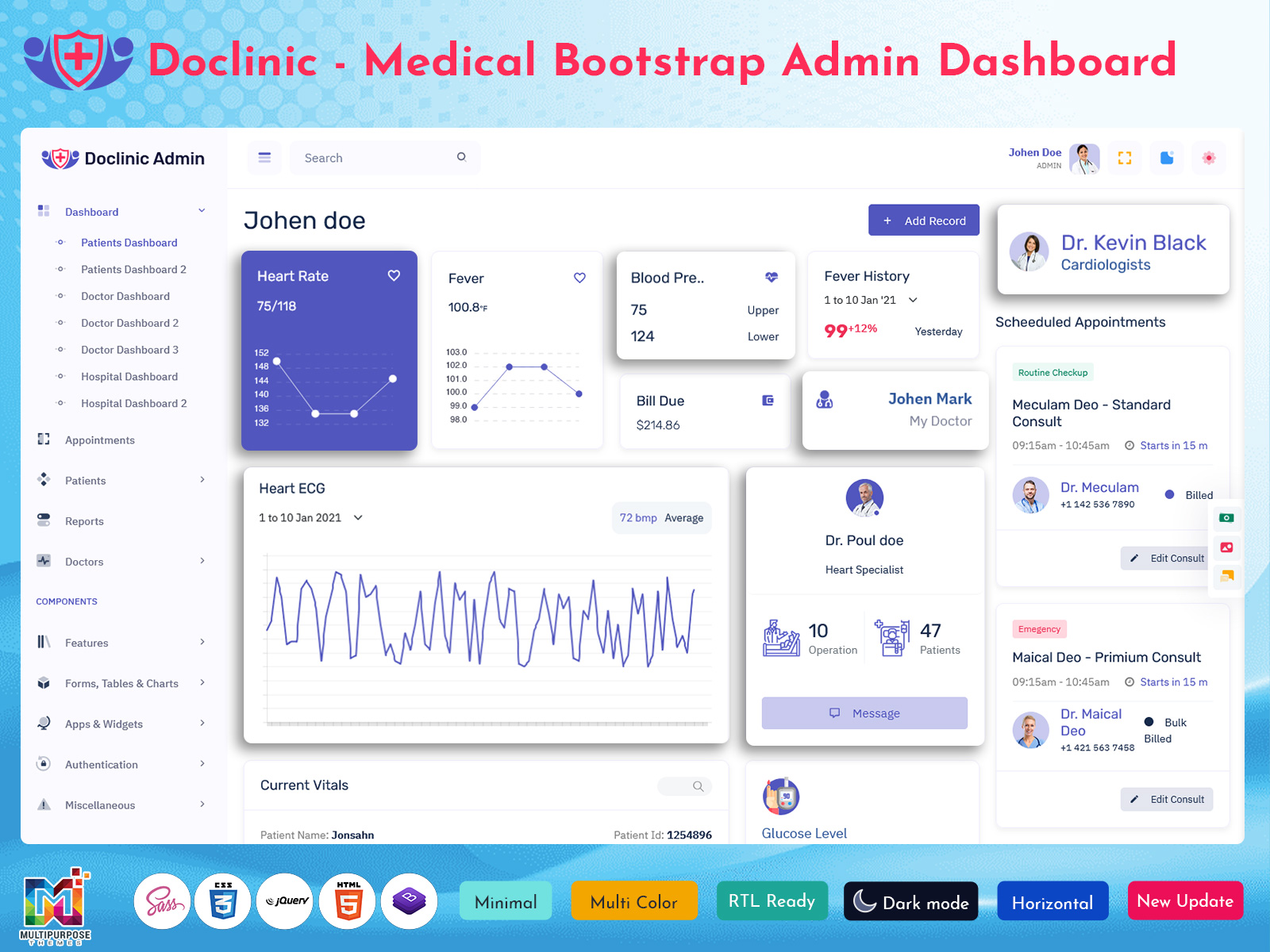
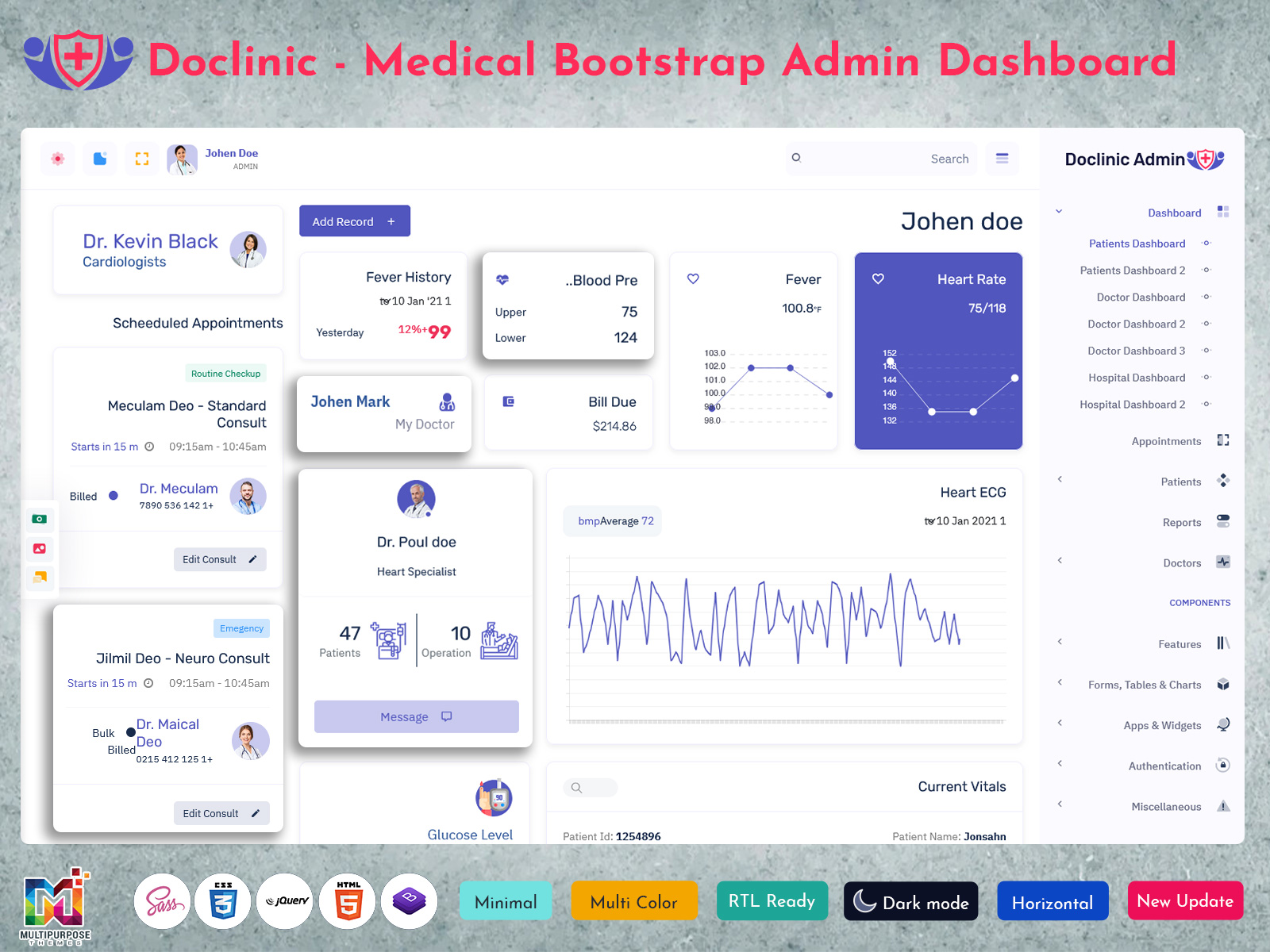
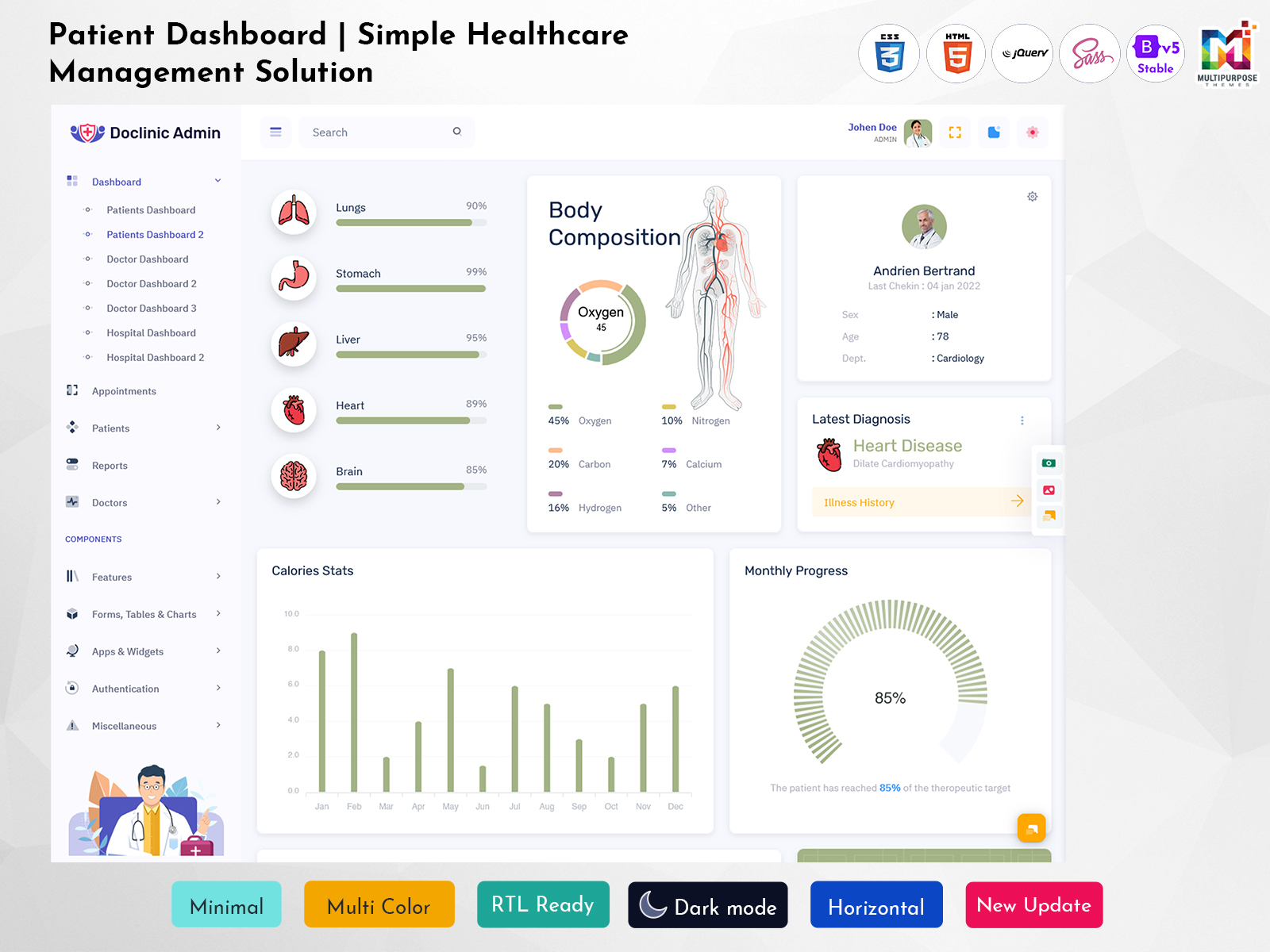
In modern healthcare systems, managing patient information efficiently is essential for smooth hospital operations. A well-designed Patient Dashboard helps doctors, nurses, and administrative staff access real-time patient details in one centralized platform. It reduces manual effort and brings all critical medical data into a single, easy-to-use interface for faster clinical decisions.
Watch Full Video
Healthcare organizations today deal with large volumes of medical data every day, including test reports, prescriptions, and treatment history. A Patient Data Dashboard organizes this information in a structured format so medical teams can quickly understand patient conditions. This improves coordination between departments and ensures that no important detail is missed during treatment planning.
Along with better data organization, digital systems also improve patient monitoring and communication. With tools like a Patient Report Dashboard, hospitals can track reports, analyze progress, and update patient records in real time. This creates a more efficient healthcare environment where accuracy, speed, and patient safety are always prioritized.
Core Concept of Digital Patient Management System in Healthcare
A Patient Dashboard Template is a structured digital framework used in hospitals to design and manage patient information systems efficiently. It provides a ready-to-use layout that helps healthcare organizations organize medical data, reports, and treatment details in a clean and systematic format. This improves usability and reduces complexity in handling patient information.
A Patients Records system focuses on maintaining complete and updated medical histories of individuals. It allows doctors and hospital staff to quickly retrieve past diagnoses, prescriptions, and treatment progress, ensuring continuity in patient care without missing critical details.
The Patient Report Page plays an important role in presenting diagnostic results and clinical summaries in a clear format. It helps medical professionals analyze patient conditions more effectively and supports faster, more accurate healthcare decisions based on structured reporting.
Importance of Patient Dashboard in Healthcare Systems
A Patient Data Dashboard plays a crucial role in modern hospitals by bringing all patient-related information into one unified platform. It helps healthcare professionals quickly access medical history, treatment updates, and real-time health status without searching multiple systems. This improves decision-making speed and enhances overall patient care quality.
The Patients Dashboards are important because they improve coordination between doctors, nurses, and administrative teams. When everyone works on the same updated data, it reduces communication gaps and ensures that treatment plans are executed correctly. This also minimizes medical errors and improves hospital efficiency.
Another key advantage is the structured handling of clinical information through a Patients Charts system. It allows healthcare providers to visually track patient progress, monitor vital signs, and analyze health trends over time. This supports early diagnosis, better treatment planning, and improved patient outcomes.
Key Benefits of Modern Healthcare Dashboard Solutions
1. Centralized Clinical Information Management
A well-designed Patient Dashboard helps healthcare providers bring patient information into one unified digital workspace. Medical teams can review histories, treatment progress, and operational data without switching across multiple systems. This centralization improves workflow consistency and supports faster clinical coordination across departments.
2. Improved Accuracy in Patient Monitoring
Digital dashboard systems strengthen monitoring by reducing manual errors and improving visibility of important health information. Real-time updates allow staff to respond quickly, track patient conditions more effectively, and maintain more reliable data management throughout treatment processes.
3. Faster Decision Support for Medical Teams
Structured healthcare dashboards support quicker access to insights needed for diagnosis, reporting, and treatment planning. When information is organized clearly, doctors and administrators can make informed decisions faster, improving response time and operational efficiency.
4. Better Coordination Across Hospital Operations
Patient management systems improve collaboration between departments such as admissions, diagnostics, billing, and care teams. With connected workflows and shared access to information, hospitals can reduce communication gaps and maintain smoother patient management processes.
5. Enhanced Patient Experience and Service Quality
Modern dashboard solutions support better service delivery through organized scheduling, streamlined reporting, and improved care tracking. This leads to reduced delays, more responsive healthcare support, and a more efficient patient journey from admission to discharge.
Integrated Dashboards Strengthening Healthcare Performance
Supporting healthcare systems add greater value when connected through a Patient Report Dashboard structure that combines reporting, monitoring, and workflow visibility in one ecosystem. It helps hospitals move beyond basic record handling by improving data interpretation, performance tracking, and treatment oversight through organized digital reporting.
Additional dashboards for diagnostics, scheduling, resource allocation, and administration enhance healthcare operations by improving coordination between departments. These connected systems reduce process delays, support smoother communication, and help healthcare teams manage complex workflows with greater efficiency.
Integrated dashboard environments also support long-term strategic improvements through analytics, forecasting, and operational insights. When multiple systems work together, healthcare organizations gain stronger control over patient services, improve performance management, and build a smarter digital care infrastructure.
What Makes Our Medical Dashboard Solution Different
Our platform is designed with a strong focus on usability, scalability, and performance, making it more than a standard Patients Records management solution. It combines organized data structures, intuitive interfaces, and streamlined workflows to help healthcare providers manage information more efficiently while improving operational control.
The system is built to support hospitals with smarter visualization, stronger reporting capabilities, and smoother navigation across critical healthcare functions. From patient monitoring to administrative coordination, the dashboard is structured to improve productivity while maintaining accuracy across daily processes.
What makes this solution stand out is its ability to adapt to growing healthcare needs while supporting digital transformation goals. With better data accessibility, integrated modules, and user-focused design, it delivers a more reliable and future-ready platform for modern medical management.
Future Trends in Digital Healthcare Dashboards
The future of healthcare technology is moving toward smarter and more connected systems, where Patients List Dashboard solutions will play a growing role in patient management. With advancing automation and intelligent data handling, future dashboards are expected to deliver faster access to information, predictive insights, and stronger workflow optimization for healthcare providers.
Emerging innovations such as artificial intelligence, real-time analytics, and remote monitoring will continue transforming how healthcare dashboards operate. These advancements can support proactive care management, improve resource planning, and help institutions respond more effectively to changing patient needs and operational demands.
Future-ready dashboard platforms will also focus on personalization, interoperability, and deeper data intelligence. As healthcare continues its digital evolution, advanced dashboard systems will become central tools for smarter hospitals, efficient care delivery, and long-term healthcare innovation.
Daily Value of Patient Dashboards in Healthcare Operations
In everyday hospital operations, a Hospital Patients Page helps medical teams manage routine activities with greater speed and accuracy. From patient admissions and appointment tracking to reviewing treatment progress, it supports smoother day-to-day workflows and reduces delays in handling important healthcare tasks.
These systems are also useful in daily clinical coordination because they simplify communication among doctors, nurses, and support staff. Access to organized information improves shift handovers, report reviews, medication tracking, and routine monitoring, helping healthcare professionals work more efficiently throughout the day.
On a practical level, dashboard-driven systems improve both operational convenience and patient service. They help healthcare facilities manage workloads, maintain updated information, and support quicker responses to everyday care requirements, making them valuable tools in daily medical practice.
Conclusion
Modern healthcare depends on digital systems that improve efficiency, simplify workflows, and support better treatment management. A Patient Data Dashboard helps healthcare providers organize information, strengthen reporting processes, and maintain smoother coordination across departments. Its role in improving operational visibility and supporting accurate decision-making makes it an important part of modern medical management.
As hospitals continue adopting smarter technologies, dashboard-driven solutions will remain valuable for enhancing patient services and supporting long-term healthcare innovation. From daily operations to strategic planning, these systems contribute to more connected, efficient, and future-ready healthcare environments.
FAQs
1. What is a patient dashboard used for?
A Patient Dashboard Template is used to organize patient information, monitor treatment data, manage reports, and support healthcare teams with centralized digital access to clinical and operational information.
2. How do patient dashboards improve hospital efficiency?
They improve efficiency by reducing manual processes, simplifying data access, enhancing coordination between departments, and helping healthcare professionals make faster and more informed decisions.
3. Can patient dashboards support patient record management?
Yes, modern dashboard systems help organize medical histories, treatment details, diagnostic information, and reporting workflows in a structured and accessible digital environment.
4. Are patient dashboards useful for hospitals of all sizes?
Patient dashboard solutions can support clinics, multi-specialty hospitals, and large healthcare networks by improving workflow management, reporting visibility, and operational control.
5. What features are commonly included in patient dashboards?
Common features include patient lists, record tracking, reporting modules, analytics views, monitoring tools, scheduling support, and healthcare performance visualization.
6. How do dashboards support better patient care?
By improving access to accurate information and strengthening monitoring processes, dashboards help healthcare teams respond faster and maintain better continuity in treatment management.
7. What is the future of patient dashboard systems?
Future systems are expected to include smarter analytics, automation, predictive insights, and deeper digital integration to support advanced healthcare management.

Related Posts


This Post Has 0 Comments