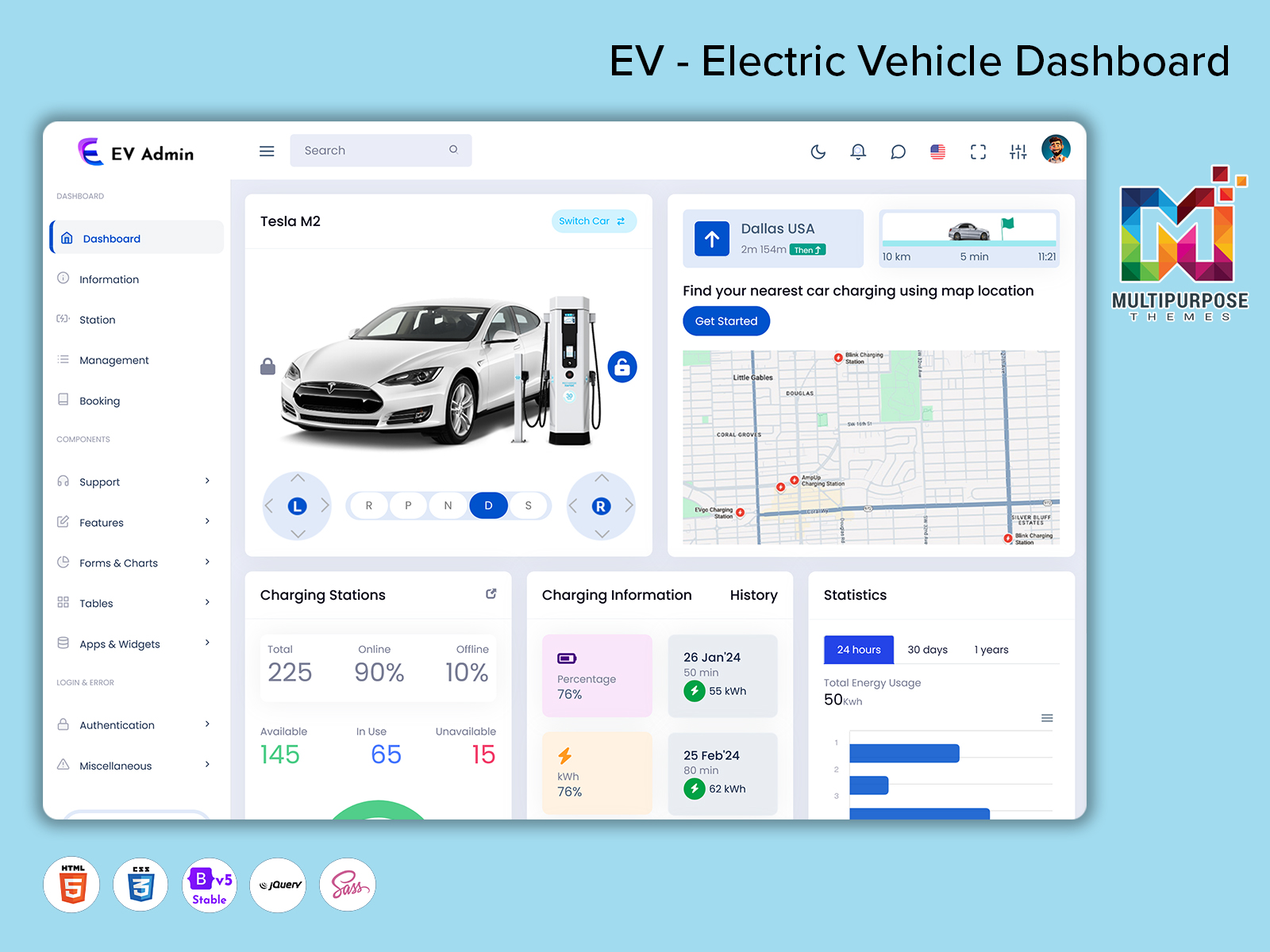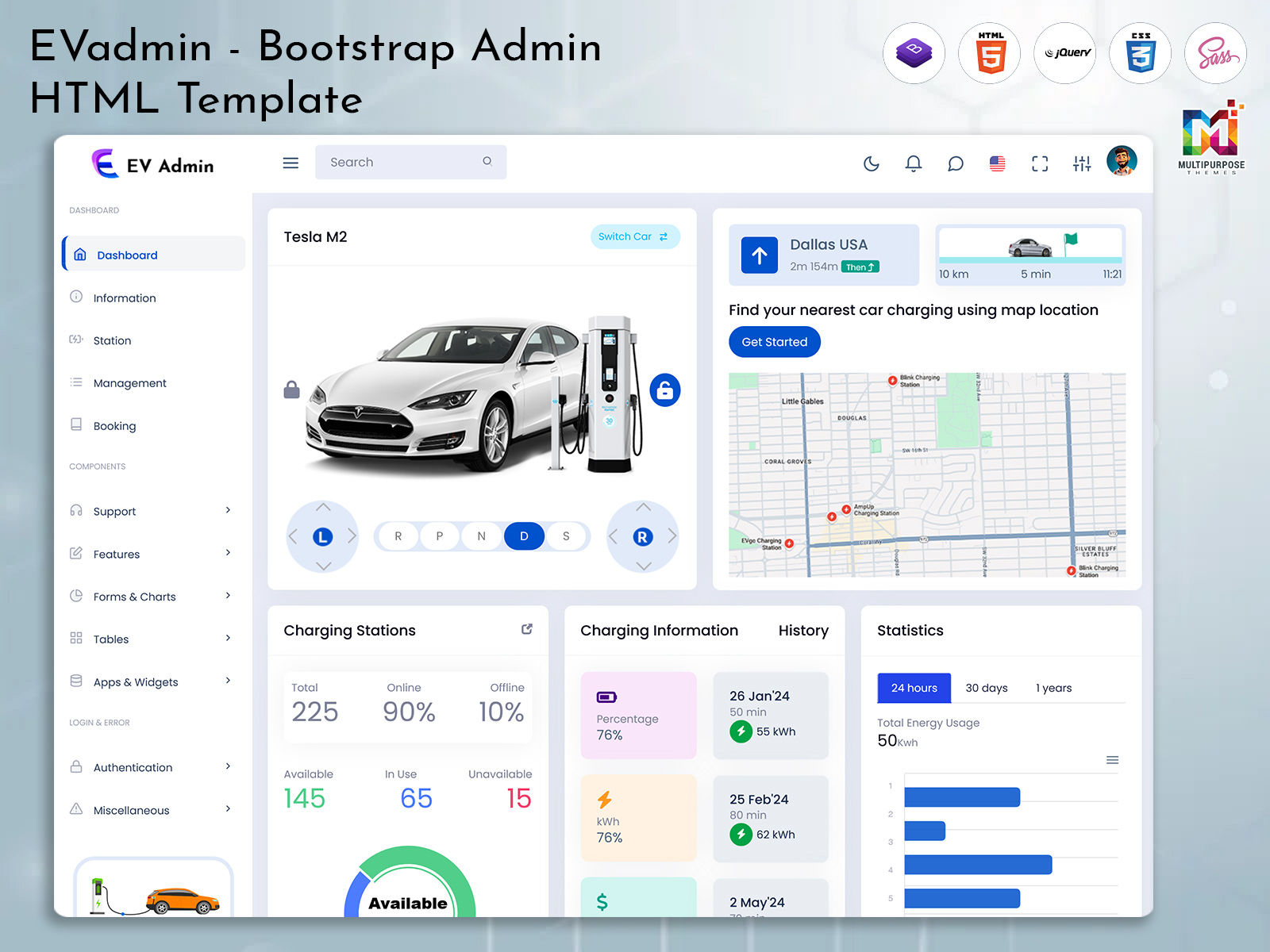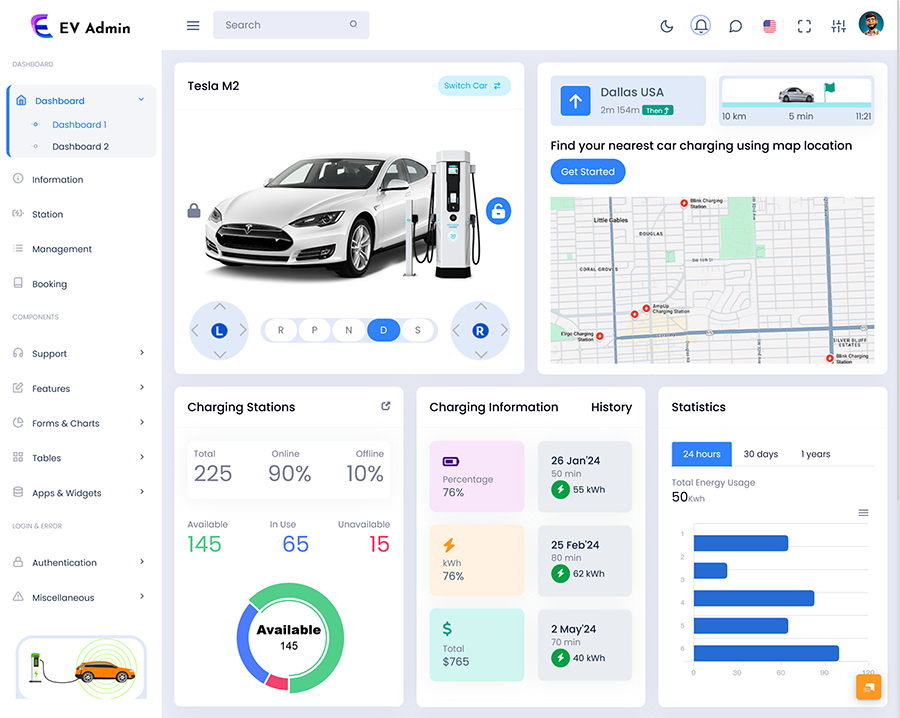
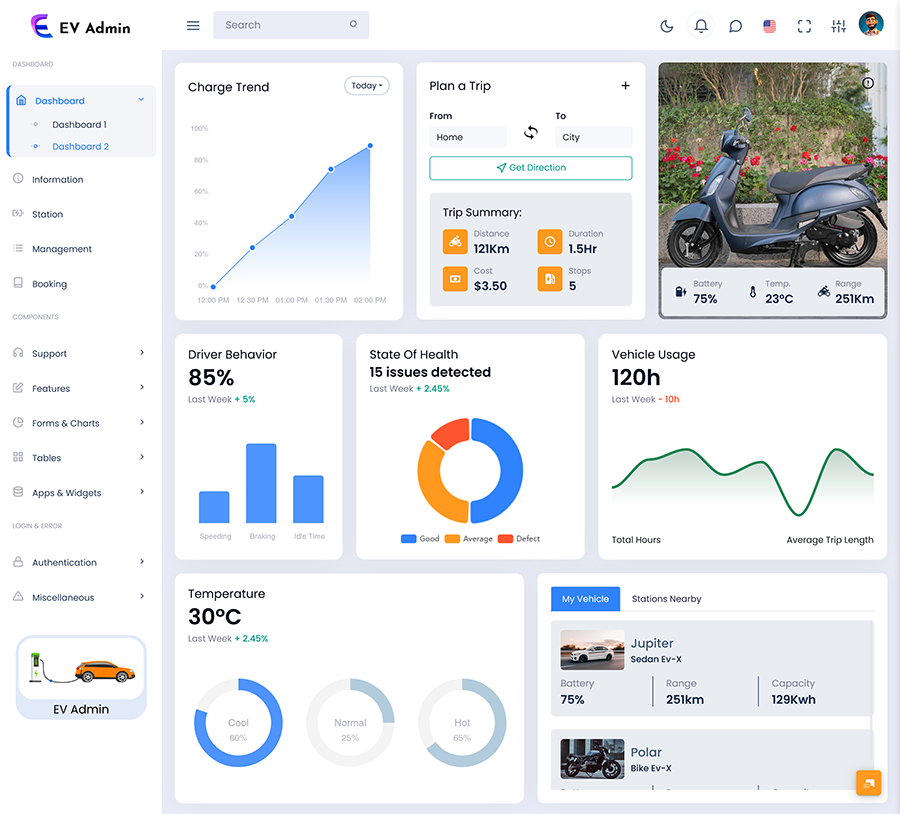
What is an EV Dashboard? An EV Dashboard is a centralized digital interface designed to…
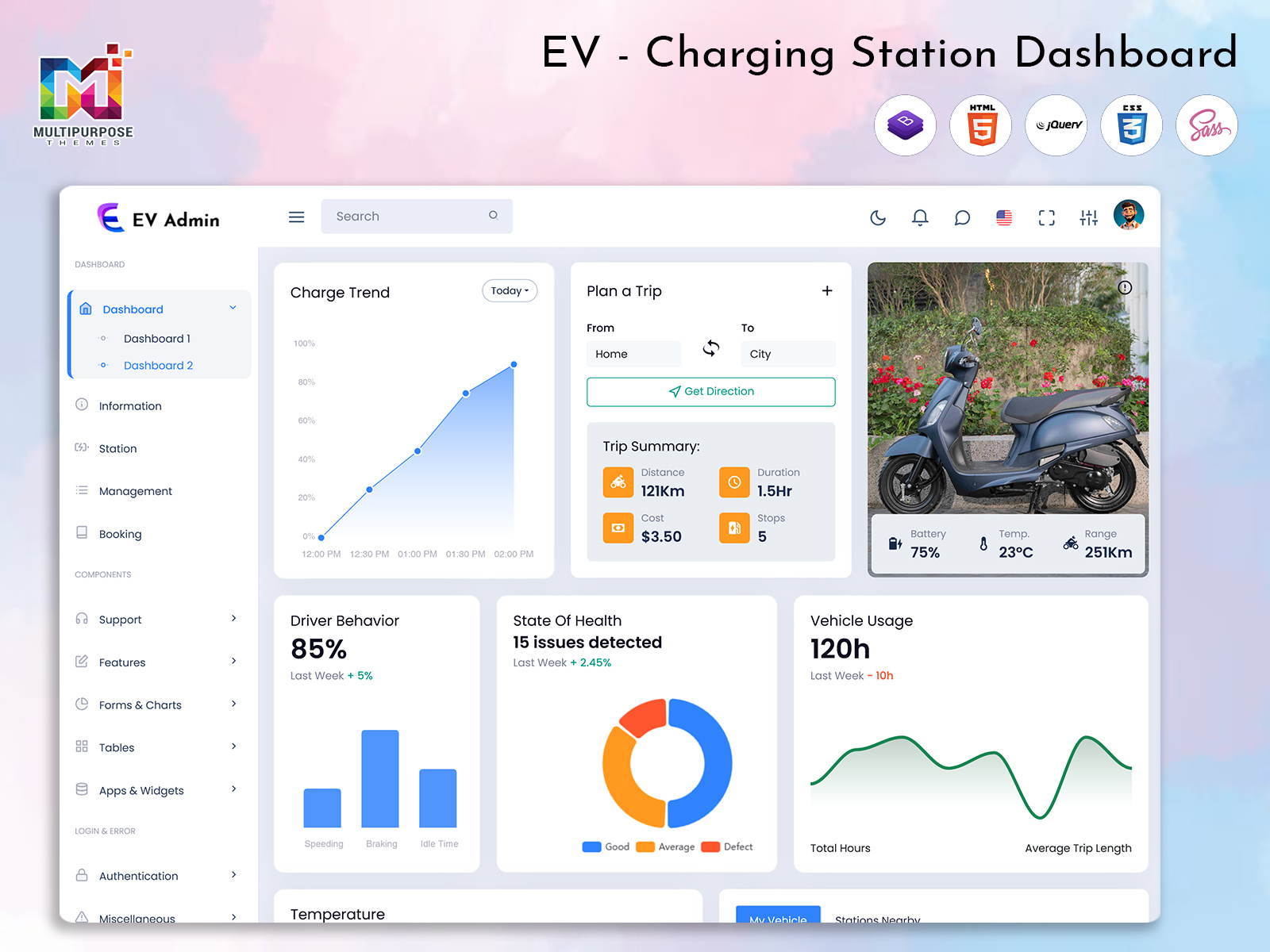
Managing 100+ EV Charging Stations: Why Centralized EV Charger Management Dashboards Are the Future
Reading Time: 6 minutes
The electric vehicle industry is growing rapidly across the world. As more people choose electric vehicles, the demand for reliable charging stations is increasing every day. Managing one or two charging stations is simple, but handling hundreds of chargers across multiple locations can become difficult without the right technology.
Watch Full Video
A modern Ev charging management dashboard helps businesses monitor charging activity, track revenue, manage bookings, and analyze station performance from one place. It removes the need for manual tracking and provides complete visibility into the entire charging network.
What Is an EV Dashboard?
An EV Charging Management Dashboard is a centralized platform designed to manage and monitor electric vehicle charging operations. It displays real-time information such as charger availability, active charging sessions, energy consumption, revenue, and customer activity.
Instead of switching between different systems, operators can access all important information through a single dashboard. This helps businesses save time, improve operational efficiency, and provide a better charging experience to EV users.
How Smart EV Charging Dashboards Are Solving the Biggest Challenges in Electric Mobility
The rise of electric vehicles has increased demand for efficient and reliable charging infrastructure. While this growth presents exciting opportunities, it also introduces several challenges for businesses managing EV charging networks. From analytics charger availability to handling maintenance and customer bookings, managing charging operations can become complex without the right technology.
This is where Smart Ev Charger Management Dashboards make a significant difference.
A Smart EV Charging Dashboard acts as a centralized control center for the entire charging network. It provides real-time information about charger status, active charging sessions, energy consumption, and station performance. Instead of manually checking multiple locations, operators can monitor every charger from a single platform.
One of the biggest challenges in electric mobility is reducing charger downtime. When a charging station goes offline unexpectedly, it impacts both customers and business revenue. Smart dashboards solve this problem by sending instant maintenance alerts, allowing operators to address issues before they become major concerns.
Consumer experience is another main factor. EV drivers expect quick access to charging stations and accurate availability updates. With real-time analysis and booking management, businesses can offer a smoother and more reliable charging experience. Smart dashboards provide valuable insights into charging patterns, peak usage hours, revenue generation, and station utilisation. These reports enable businesses to optimize operations and plan future infrastructure investments more effectively .
Behind Every Successful EV Charging Network Is a Powerful Dashboard
Every successful EV charging network relies on accurate data and efficient management. A powerful dashboard acts as the control center of the entire charging infrastructure.
From monitoring electricity consumption to analyzing customer behavior, dashboards provide valuable insights that help businesses make smarter decisions.
Whether it is tracking station performance or monitoring financial reports, a centralized system ensures every charger operates efficiently and contributes to business growth.
Key Features of an EV Charging Dashboard
1. Real-Time Charging Monitoring
Monitor active charging sessions across all locations from a single screen. Operators can view charging duration, energy consumption, and session progress in real time. This feature helps improve operational visibility while ensuring chargers remain available for customers whenever needed.
2. Charger Availability Tracking
Quickly identify which chargers are available, occupied, offline, or under maintenance. Real-time status updates help businesses reduce waiting times and improve customer satisfaction by ensuring charging stations remain operational throughout the day.
3. Revenue Management
Track daily, weekly, monthly, and yearly income generated from charging stations. Detailed financial reports allow businesses to compare station performance and make informed decisions regarding investments and future expansion plans.
4. Booking Management
Manage customer reservations efficiently through an integrated booking system. Customers can reserve charging slots in advance while operators monitor booking trends, occupancy rates, and charger utilization from one centralized dashboard.
5. Multi-Location Management
Businesses can monitor charging stations across multiple cities through a single interface. This feature simplifies large-scale operations and provides complete visibility into charger performance, revenue, and customer activity across all locations.
6. Energy Consumption Reports
Interactive charts provide insights into electricity usage across the charging network. Businesses can analyze consumption patterns, optimize energy distribution, and improve overall efficiency while controlling operational costs.
7. Maintenance Alerts
Receive instant notifications when chargers require maintenance or experience technical issues. Early alerts help reduce downtime, improve service reliability, and ensure customers always have access to operational charging stations.
8. Analytics and Performance Insights
Gain valuable insights through interactive reports and performance analytics. Businesses can track customer behavior, peak charging hours, station utilization, and operational trends to support smarter business decisions.
Why EV Charging Networks Fail Without Real-Time Monitoring
The success of an EV charging network depends on more than just installing charging stations. As electric vehicle adoption continues to increase, businesses are expected to provide reliable, fast, and uninterrupted charging services. However, many EV charging networks struggle to maintain efficiency because they lack one critical component—real-time monitoring.
Without real-time visibility, operators have no immediate way to know whether a charger is available, offline, or experiencing technical issues. Imagine a customer arriving at a charging station only to find that the charger is not working. Situations like these can negatively impact customer satisfaction and damage a company’s reputation.
Real-time monitoring helps operators track every charging station from a centralized EV Dashboard. They can instantly view charger status, active charging sessions, electricity consumption, and maintenance requirements. Instead of discovering problems hours later, businesses can respond immediately and minimize service interruptions.
Another major challenge is managing multiple charging stations across different locations. As networks expand, manually tracking charger performance becomes nearly impossible. Without a centralized monitoring system, operators may miss important data such as peak charging hours, station utilization rates, and energy consumption trends. This often leads to inefficient resource allocation and increased operational costs.
Revenue management is another area where businesses face difficulties. Charging networks generate a large amount of financial data every day. Without real-time analytics, operators may struggle to identify high-performing stations or understand customer charging behavior. A smart EV Charging Dashboard provides detailed financial reports and performance insights, helping businesses make better decisions.
Maintenance is equally important. Chargers can experience technical failures, software issues, or connectivity problems at any time. Without automated alerts, maintenance teams often react only after customers report problems. Real-time monitoring changes this approach by sending instant notifications whenever a charger requires attention, reducing downtime and improving reliability.
Benefits of Using an EV Charging Dashboard
1. Improves Operational Efficiency
Centralized management reduces manual work and helps operators manage charging stations more effectively.
2. Enhances Customer Experience
Customers benefit from live charger availability, easy bookings, and faster charging access.
3. Reduces Downtime
Maintenance alerts and real-time monitoring help identify issues before they affect operations.
4. Supports Better Decision-Making
Interactive reports provide valuable insights into revenue, usage trends, and station performance.
5. Enables Business Growth
Businesses can easily scale their charging infrastructure while maintaining complete operational control.
6. Simplifies Multi-Location Management
Managing hundreds of charging stations becomes easier with a centralized dashboard and real-time updates.
7. Increases Revenue Visibility
Financial reports help businesses monitor earnings and identify high-performing charging locations.
Conclusion
The future of electric mobility depends on smart and reliable charging infrastructure. As charging networks continue to expand, businesses need efficient solutions to manage operations at scale.
An EV charging dashboard offers everything operators require from charger analytic and booking management to revenue tracking and performance analytics. Whether managing ten charging stations or hundreds across multiple locations , a centralized dashboard helps businesses increase efficiency , enhance consumer experience, and prepare for the future of electric mobility.
Frequently Asked Questions (FAQs)
1. What is an EV Dashboard, and why should businesses use it?
A MultiPurpose Themes EV Dashboard is a centralized platform that helps businesses monitor charging stations, charging sessions, revenue, energy consumption, and charger availability. It simplifies EV Charging Management, improves operational efficiency, reduces downtime, and helps businesses make informed decisions using real-time data.
2. Can every business use this dashboard?
Yes. This dashboard is suitable for businesses of all sizes, including shopping malls, hotels, office buildings, hospitals, fleet operators, residential communities, educational institutions, government organizations, and public charging network providers. Its customizable design makes it adaptable to different operational requirements.
3. Can it manage everything an EV charging station requires?
Yes. The EV Charging Management Dashboard is designed to manage charger status, charging sessions, customer bookings, user accounts, revenue, station performance, maintenance schedules, energy consumption, and operational reports from one centralized platform.
4. Does it track charging time?
Yes. The MultiPurpose Themes dashboard records charging session duration, charging progress, start and end times, electricity consumption, and estimated completion time. These reports help both operators and customers monitor charging activity more efficiently.
5. Is the dashboard user-friendly?
Obviously . The ev dashboard features an intuitive interface with interactive charts, easy navigation, responsive layouts, and customizable widgets. Both administrators and customers can easily access main information without requiring advanced technical knowledge.
6. Can this dashboard manage multiple charging stations?
Yes. The MultiPurpose Themes dashboard supports multi-location management, allowing operators to monitor several charging stations from one centralized Charging Station Dashboard. Users can compare station performance, monitor charger availability, and manage charging operations across different cities and regions.
7. Does the dashboard send alerts when charging is complete?
Yes. The MultiPurpose Themes dashboard can display notifications and charging status updates when a charging session is completed. It can also provide alerts for charger availability, maintenance requirements, operational issues, and other important system events, helping operators and customers stay informed in real time.

Related Posts