

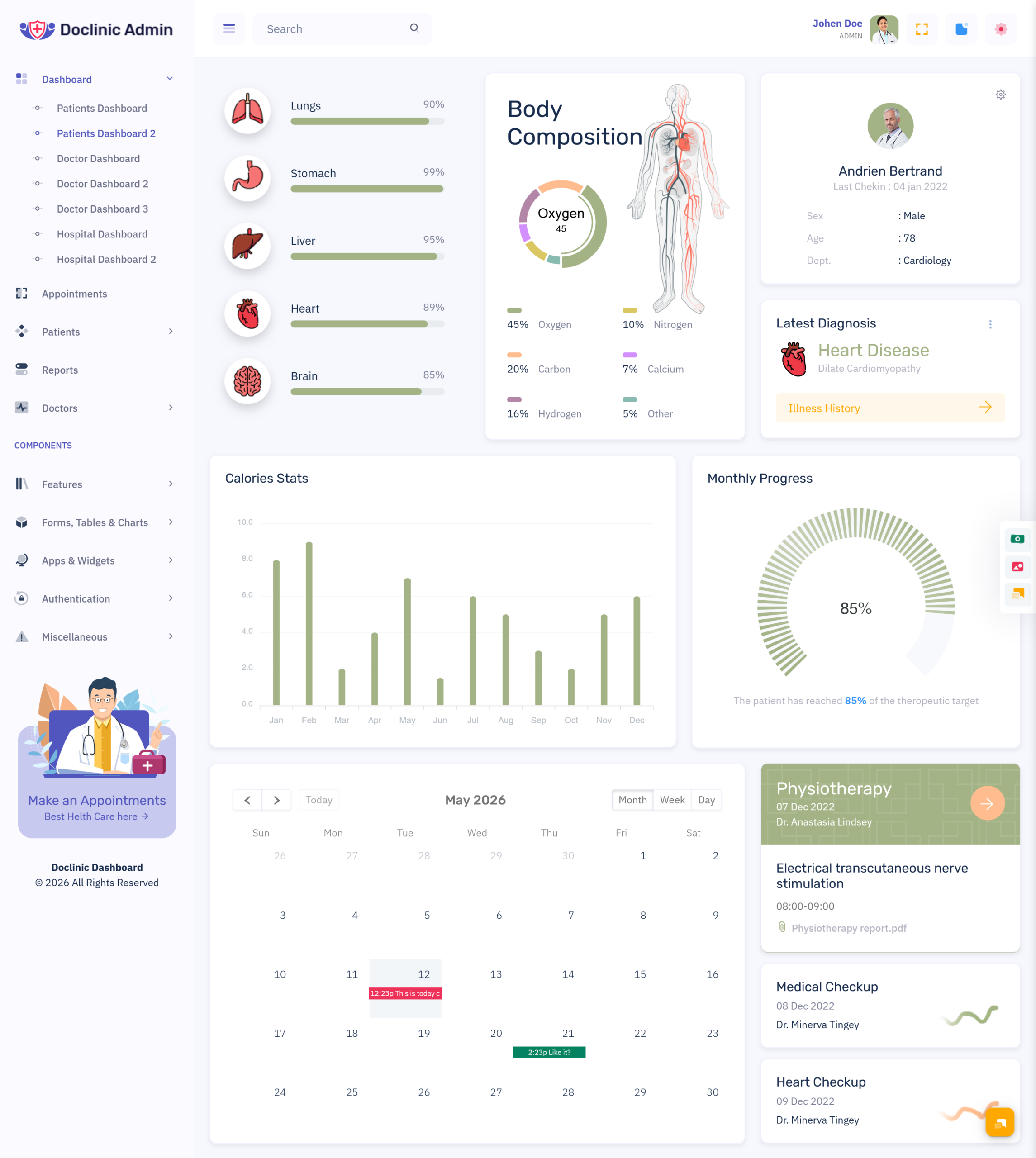
What is a Medical Dashboard? A Medical Dashboard is a centralized digital interface designed to…
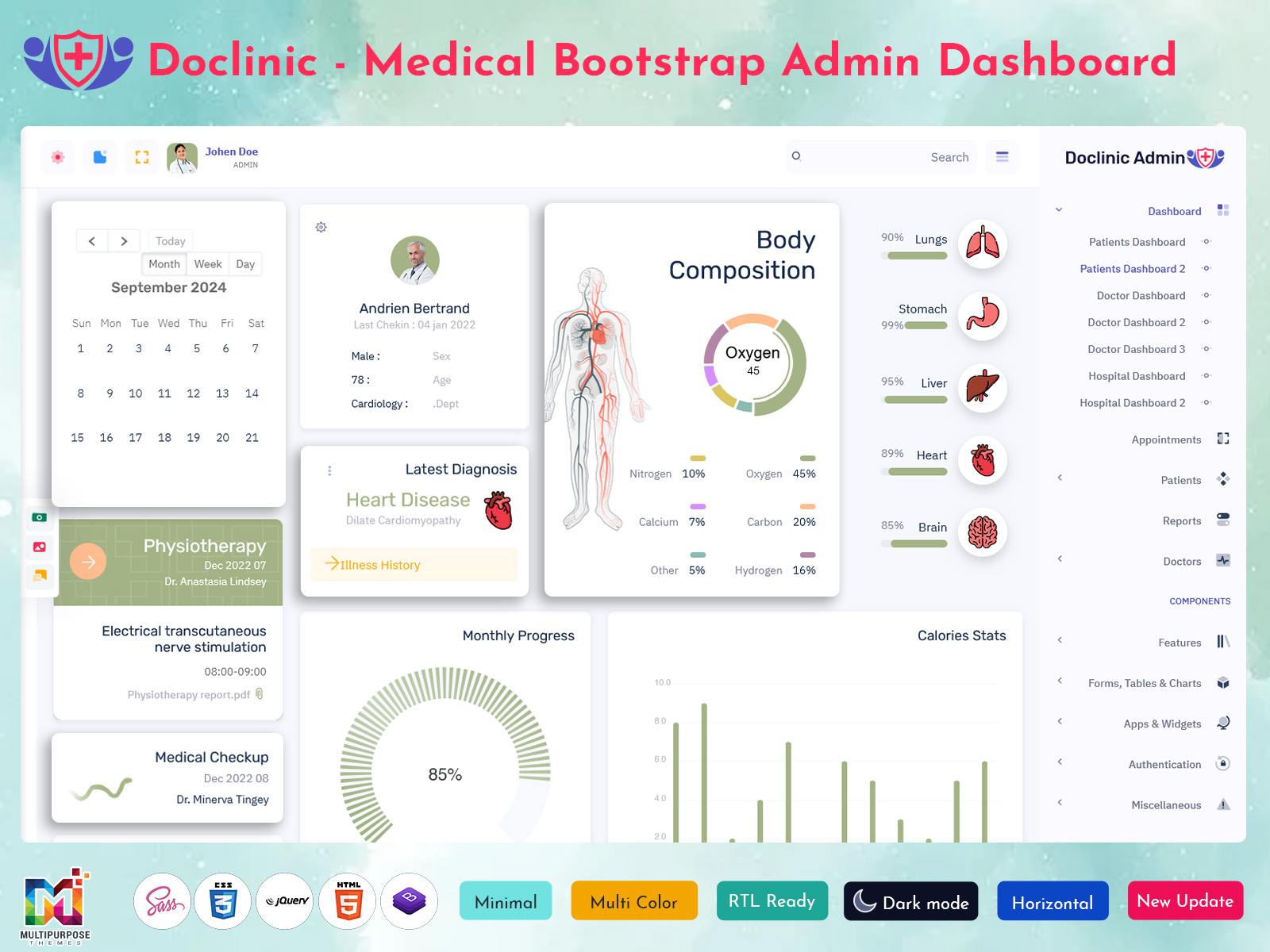
Innovative Medical Dashboard Template for Healthcare Reports
Reading Time: 6 minutes
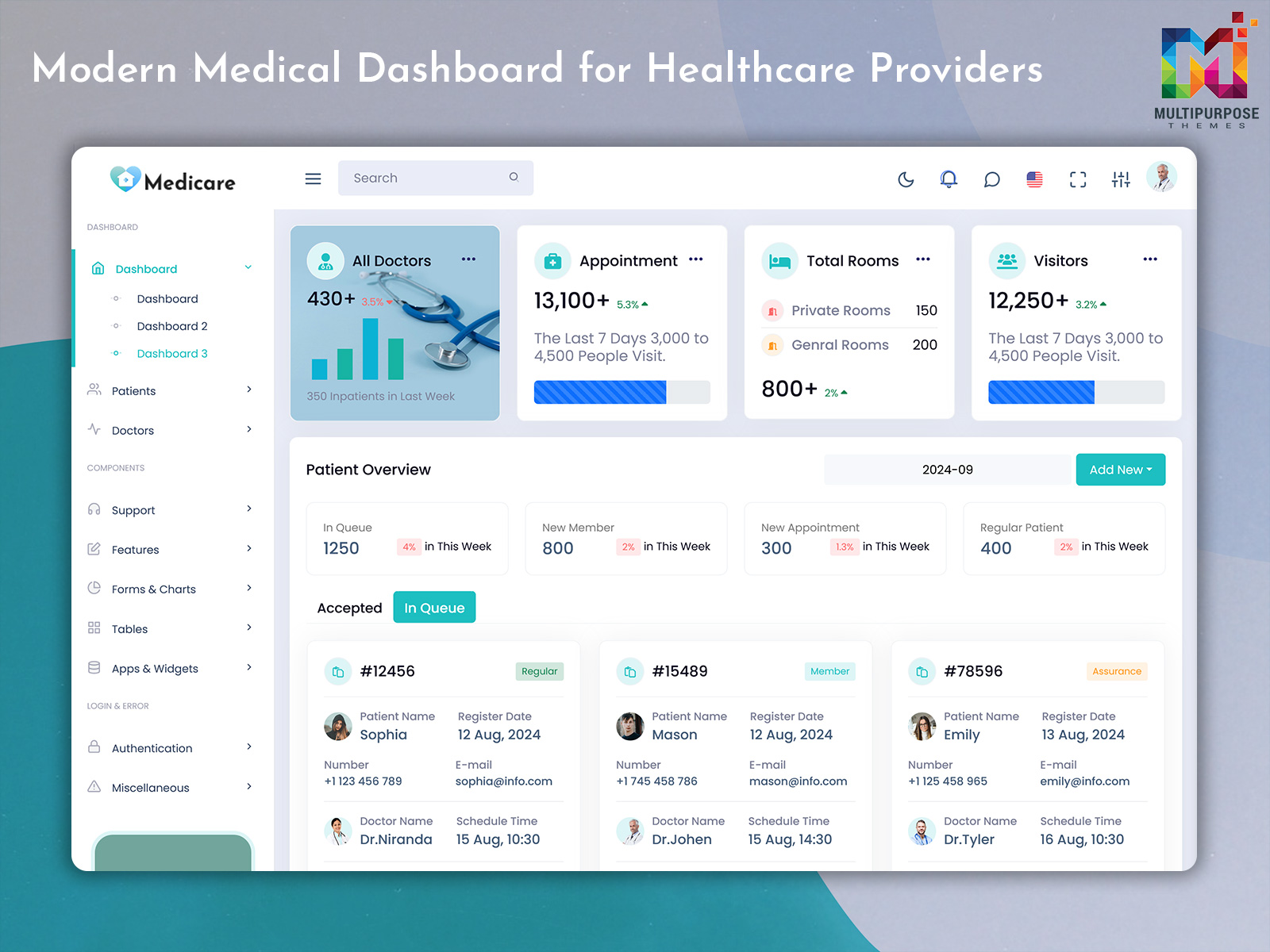
The healthcare sector is rapidly shifting toward digital operations where speed, organization, and accuracy are becoming essential for hospitals, clinics, diagnostic centers, and healthcare startups. A professionally designed Medical Dashboard Template helps healthcare teams monitor reports, appointments, patient activities, prescriptions, operational performance, and staff coordination from one centralized system. Instead of handling paperwork manually, healthcare providers can access important insights through visual panels that simplify daily management tasks.
Watch Full Video
A modern healthcare interface also improves communication between departments while reducing workflow confusion inside medical organizations. Advanced reporting sections, visual tracking systems, patient history panels, and scheduling modules help administrators make better decisions without wasting valuable time. Digital healthcare platforms now focus heavily on responsive design, real-time analytics, secure accessibility, and improved operational visibility. Businesses working in healthcare technology are increasingly adopting smart dashboard systems and advanced Medical WebApp Templates to support hospitals, laboratories, pharmacies, and medical professionals with smoother and more organized digital experiences.
Smart Healthcare Platform Concept
Digital healthcare platforms are designed to simplify medical operations by combining administration, reporting, scheduling, patient tracking, and performance monitoring into one connected environment. A modern Medical Admin Template provides healthcare organizations with an organized interface that supports hospitals, clinics, pharmacies, and laboratories through responsive management systems. These platforms are created to reduce workflow complications while improving accessibility for healthcare professionals working in different departments.
Healthcare management systems now include interactive panels, analytical widgets, appointment tracking modules, billing sections, and patient monitoring tools that help organizations handle large volumes of information efficiently. Visual components improve usability by presenting healthcare insights in a structured and understandable format. Modern medical platforms also support responsive accessibility across desktops, tablets, and smartphones, allowing healthcare teams to manage operations remotely without affecting productivity.
Digital healthcare environments are continuously evolving with cloud integration, automation capabilities, and real-time synchronization features. These systems help administrators maintain operational consistency while improving communication between doctors, nurses, reception teams, and management staff. Smart healthcare platforms are becoming essential for organizations looking to improve service quality, reduce administrative delays, and deliver more organized healthcare experiences through efficient digital infrastructure.
Digital Systems Enhancing Patient Care
Modern healthcare technology is improving patient services by creating faster, more connected, and organized medical environments. A professionally structured Medical Software Dashboard allows healthcare providers to manage treatment workflows, patient monitoring, diagnostic updates, and operational coordination from a centralized platform. Hospitals and clinics can quickly access healthcare insights, reducing delays that often affect patient experiences and administrative efficiency. Digital healthcare environments also improve collaboration between doctors, nurses, laboratory teams, and administrative staff by simplifying operational communication across departments.
Advanced healthcare systems support digital records, real-time reporting, online accessibility, and organized healthcare management through responsive interfaces. Healthcare professionals can monitor treatment progress, review analytical reports, and supervise operational performance without depending on traditional paperwork systems. Interactive dashboards also help organizations improve service quality while maintaining better workflow accuracy and patient engagement. Technology-driven healthcare platforms continue to modernize medical operations by offering efficient management tools that support smarter healthcare delivery and improved operational visibility.
VIEW DEMO BUY NOW
Appointment Workflow Optimization
Efficient scheduling systems are becoming essential for healthcare organizations managing large numbers of patients every day. A responsive Medical Admin Dashboard Template helps hospitals and clinics organize appointments, monitor doctor availability, manage consultation timings, and reduce scheduling conflicts through centralized digital control. Healthcare administrators can quickly access booking information, update patient visits, and supervise operational timelines without relying on complex manual coordination methods.
Advanced scheduling platforms improve communication between departments while supporting smoother patient flow management across healthcare facilities. Digital appointment systems also help reduce waiting periods, improve consultation planning, and increase operational productivity for healthcare teams. Interactive calendar modules, automated notifications, and real-time updates allow medical organizations to maintain organized scheduling processes while improving patient convenience. Modern healthcare environments benefit significantly from structured appointment management systems because they simplify workflow operations and support more accurate healthcare service delivery.
Operational Benefits for Healthcare Platforms
1. Faster Administrative Coordination
A professionally developed Medical Admin system helps healthcare organizations improve communication between departments while simplifying operational activities. Hospital teams can manage workflows more efficiently because centralized management panels reduce unnecessary delays during scheduling, reporting, and patient coordination processes.
2. Better Healthcare Data Visibility
Interactive healthcare systems improve accessibility to reports, analytics, and operational insights through organized digital structures. Modern healthcare organizations use centralized interfaces to review performance metrics, monitor activities, and maintain smoother operational supervision without depending on scattered documentation methods.
3. Improved Patient Experience
Digital healthcare environments help hospitals provide more organized services by simplifying appointment handling, patient tracking, and healthcare communication. Structured management systems reduce waiting complications while improving accessibility for patients seeking faster healthcare support and operational transparency.
4. Efficient Resource Management
Healthcare facilities benefit from smarter allocation of staff schedules, operational responsibilities, and reporting activities through organized digital platforms. A responsive system allows administrators to supervise daily operations more accurately while improving productivity across healthcare departments.
5. Enhanced Reporting Accuracy
Advanced healthcare interfaces support detailed performance tracking and operational monitoring through intelligent reporting structures. A well-designed Medical Data Dashboard helps healthcare organizations maintain better analytical visibility while supporting accurate decision-making for administrative and medical operations.
Healthcare Information Protection
Healthcare organizations manage sensitive patient information that requires strong digital protection and controlled accessibility. A secure Medical Records Dashboard helps hospitals and clinics maintain organized patient information while protecting operational records from unauthorized access. Advanced healthcare systems use authentication controls, encrypted accessibility, and permission-based management structures to improve information security across medical platforms.
Modern healthcare environments also depend on secure infrastructure for protecting treatment reports, appointment records, billing details, and operational documentation. Digital healthcare systems help administrators monitor access activities while maintaining organized information storage for long-term operational reliability. Strong security architecture improves trust between healthcare providers and patients because confidential healthcare details remain protected through structured digital environments. Advanced protection systems continue to play a major role in maintaining healthcare transparency, operational reliability, and secure digital healthcare management.
Healthcare Technology Challenges and Future Scope
The healthcare industry continues to face operational and technical challenges while adopting modern digital infrastructure. Many healthcare organizations struggle with system integration, staff training, data migration, and maintaining compatibility between different operational platforms. A scalable Hospital and Medical Dashboard helps organizations improve workflow management, but successful implementation also requires strong technical planning and continuous system optimization. Smaller healthcare facilities may also experience difficulties managing digital transformation because of budget limitations and infrastructure requirements.
Future healthcare technology is expected to become more intelligent through artificial intelligence, predictive analytics, automation systems, and cloud-based accessibility. Advanced healthcare environments will likely focus on faster operational management, remote healthcare services, and improved patient monitoring capabilities. Modern healthcare platforms are also evolving toward responsive accessibility and real-time synchronization that support better communication between medical departments. As digital healthcare adoption increases globally, organizations will continue investing in smarter systems that improve operational efficiency, patient experiences, and healthcare management performance through advanced technological innovation.
Final Thoughts
Digital healthcare platforms are transforming the way hospitals, clinics, laboratories, and medical organizations manage their daily operations. A professionally developed Medical Chart helps healthcare providers organize appointments, monitor analytics, manage operational activities, and improve communication across departments through centralized digital systems. Modern healthcare environments benefit from responsive interfaces that simplify workflow management while improving accessibility to important healthcare information.
Advanced healthcare technology also supports better reporting accuracy, operational visibility, and patient service management through intelligent digital infrastructure. Healthcare organizations are increasingly adopting modern dashboard solutions because they improve efficiency, reduce administrative pressure, and support structured healthcare coordination. As digital transformation continues growing within the healthcare industry, advanced management systems will remain essential for organizations looking to deliver faster, smarter, and more organized healthcare experiences.
FAQs
1. What is the purpose of a medical dashboard system?
A modern healthcare dashboard helps hospitals and clinics organize operational activities, monitor analytics, supervise appointments, manage reports, and improve workflow coordination through centralized digital accessibility. A responsive Medical Ui Framework also improves usability for healthcare teams handling daily management processes.
2. How do healthcare dashboards improve operational efficiency?
Healthcare dashboards simplify administrative workflows by centralizing appointments, reports, patient monitoring, and scheduling systems within one structured interface. Digital platforms reduce manual workload while helping healthcare organizations improve communication, operational visibility, and daily healthcare management performance.
3. Why is data security important in healthcare systems?
Healthcare organizations manage confidential patient information that requires strong protection from unauthorized access. Secure healthcare systems help protect medical documentation, operational records, appointment information, and treatment details while improving reliability and trust between patients and healthcare providers.
4. Can healthcare dashboards support mobile accessibility?
Modern healthcare platforms are designed with responsive structures that support smartphones, tablets, laptops, and desktop accessibility. This flexibility allows healthcare professionals to monitor operational activities, reports, and appointments remotely without affecting workflow efficiency or healthcare management performance.
5. What features are commonly included in healthcare dashboard platforms?
Advanced healthcare systems usually include appointment scheduling, analytics panels, reporting modules, patient tracking sections, billing management, operational monitoring, notification systems, and centralized administrative controls that help healthcare organizations maintain organized operational management processes.
6. How do digital healthcare platforms improve patient experiences?
Digital healthcare environments reduce operational delays while improving communication between healthcare departments and patients. Organized management systems help healthcare providers deliver smoother appointment handling, faster reporting accessibility, and more efficient healthcare coordination through modern digital infrastructure.
7. What is the future of healthcare dashboard technology?
Healthcare technology is expected to become more intelligent through automation, artificial intelligence, predictive analytics, and cloud-based accessibility. Future healthcare systems will likely focus on real-time operational management, remote healthcare services, and smarter patient monitoring capabilities for improved healthcare efficiency.

Related Posts

This Post Has 0 Comments