In today’s digital hiring environment, companies and recruitment platforms rely heavily on organized systems to…
Smart Job Employment Dashboard for Modern Hiring Solutions
Reading Time: 6 minutes
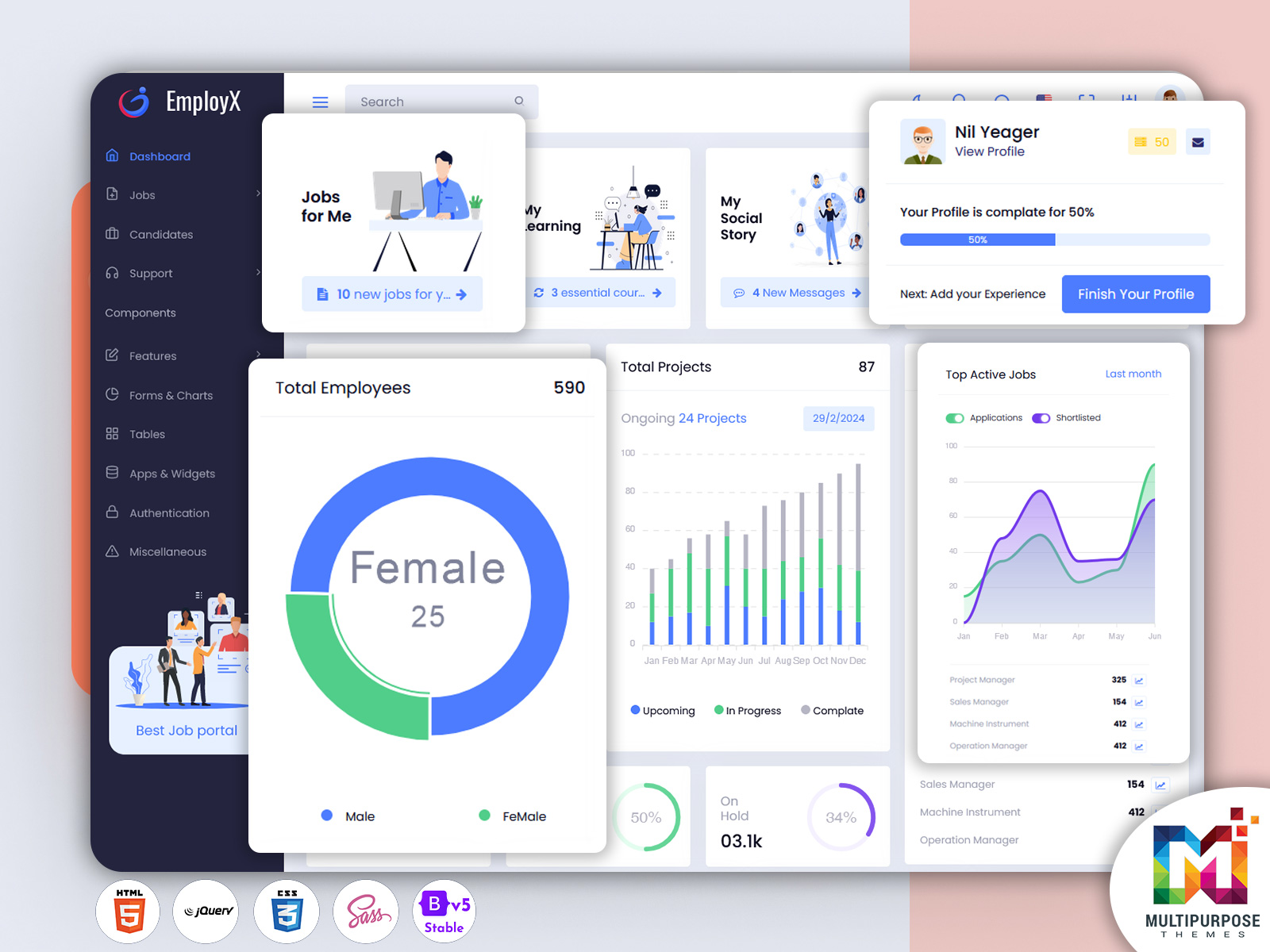
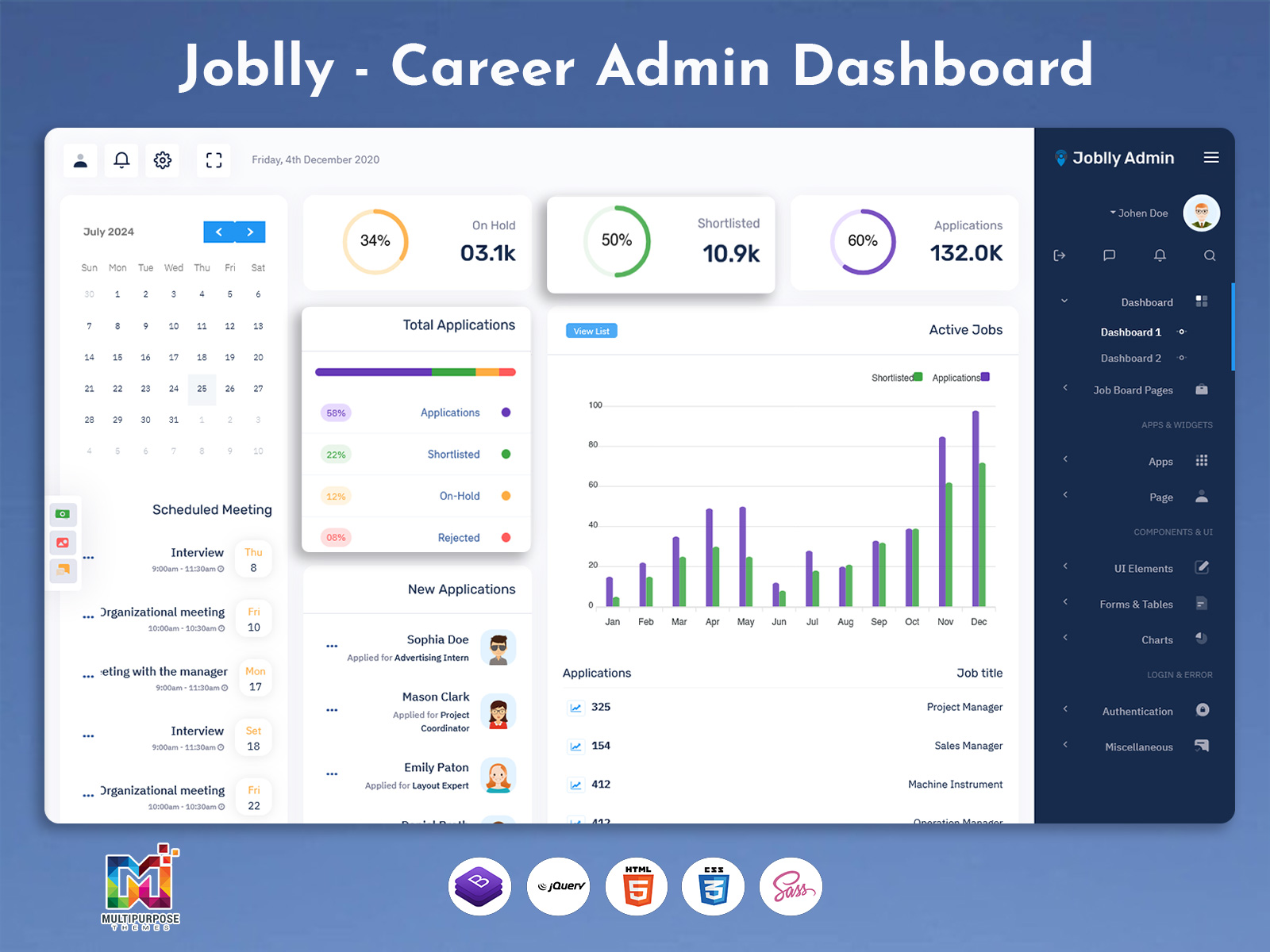
Modern recruitment operations are becoming smarter with Job Employment Dashboard solutions that help businesses manage hiring through one centralized system. From posting vacancies to tracking applications, scheduling interviews, and monitoring recruitment progress, everything can be controlled from one interface. Instead of handling recruitment through disconnected tools, companies can streamline operations using a professional dashboard designed for efficiency.
Watch Full Video
These platforms support HR teams, recruiters, and staffing agencies by improving visibility into every hiring stage. They help organize candidate data, automate repetitive processes, and simplify decision-making through reporting tools. Businesses can reduce delays, strengthen applicant communication, and create a more structured recruitment workflow.
Modern hiring systems also provide scalable modules for job listings, applicant tracking, interview coordination, and analytics management. In 2026, businesses are increasingly adopting these solutions to improve talent acquisition, support growth, and build more efficient recruitment operations.
Why Job Employment Platforms Matter for Modern Recruitment
Businesses today face growing hiring demands, changing workforce expectations, and stronger competition for skilled talent. A recruitment platform helps organizations manage job postings, applicant tracking, and hiring workflows through a structured digital environment. It improves recruitment speed, reduces manual effort, and gives teams better control over hiring activities. Recruiters can manage multiple openings more efficiently while improving coordination and candidate communication.
These platforms also support long-term workforce planning by improving hiring decisions through data visibility and process automation. Companies can strengthen recruitment quality, reduce delays, and adapt to changing employment trends with scalable solutions. As digital hiring continues expanding in 2026, these systems have become important for building efficient and future-ready recruitment operations.
How a Job Employment Platform Works
A job employment platform works through connected modules that manage the recruitment process from job posting to candidate selection. Recruiters can create openings, publish listings, receive applications, review resumes, and move candidates through screening stages within one system. Dashboards help monitor hiring pipelines, interview schedules, and applicant status while automation supports faster communication and workflow management.
The platform also connects employers and applicants through role-based interfaces where hiring teams manage recruitment operations while candidates search jobs, apply online, and track application progress. Reporting tools, notifications, and analytics help improve decision-making, making the hiring process more organized, efficient, and scalable for modern businesses.
Managing Hiring Processes Through Recruitment Dashboards
Recruitment dashboards help businesses manage hiring activities through a structured and organized workflow. HR teams can monitor open positions, review applicants, shortlist profiles, schedule interviews, and track each hiring stage from one centralized system. This creates better coordination between departments and reduces delays during recruitment. It also helps hiring teams maintain consistency while managing multiple openings at the same time.
Automation tools support smoother hiring operations by handling notifications, interview scheduling, and applicant progress tracking. Recruiters can improve response times, manage candidate pipelines efficiently, and maintain greater control over recruitment activities.
These platforms also support scalable hiring strategies, helping businesses strengthen talent acquisition processes while preparing for future workforce growth.
Candidate Dashboard for Job Applications
A candidate dashboard gives job seekers a personalized space to search opportunities, submit applications, and manage their employment journey in one place. Users can build profiles, upload resumes, track application status, and receive interview updates through a simple digital interface. It improves convenience for applicants while making job searching more organized, transparent, and efficient.
These dashboards also enhance engagement by allowing candidates to monitor opportunities, update information, and communicate with recruiters more effectively. A smoother applicant experience supports stronger recruitment outcomes for employers while helping create faster, user-friendly, and more connected digital hiring processes.
Improving Recruitment Efficiency Through Smart Dashboards
Smart recruitment dashboards improve efficiency by reducing manual tasks and creating faster hiring workflows. Recruiters can screen applications, manage interview stages, track hiring progress, and coordinate with teams through a centralized system. This helps reduce time-to-hire and improves productivity.
These platforms also strengthen recruitment performance through automation, analytics, and better candidate management. Businesses can make quicker hiring decisions, improve applicant engagement, and create more organized recruitment processes.
Scalable dashboard solutions also support long-term growth by helping companies adapt to changing hiring demands and future workforce needs.
Solving Recruitment Challenges and Supporting Future Growth
Modern recruitment often faces challenges such as managing large volumes of applications, slow communication, difficulty in tracking candidates, and delays in decision-making. Job Employment Dashboard solutions help solve these issues by centralizing applicant data, organizing hiring pipelines, and simplifying every stage of the recruitment process. Recruiters can monitor progress in real time, reduce manual errors, improve collaboration with hiring teams, and maintain a smoother workflow from job posting to final selection. This improves efficiency while making recruitment operations more reliable and structured.
These platforms are also useful for addressing future hiring demands as businesses move toward digital-first recruitment strategies. With automation, analytics, and scalable tools, organizations can adapt to changing workforce trends, manage growing hiring needs, and improve long-term talent planning. In 2026 and beyond Job Board Software Dashboard solutions support smarter recruitment models that help businesses remain competitive while preparing for future growth.
Key Features of a Job Employment Dashboard
1. Job Posting Management
A modern recruitment dashboard allows businesses to create, organize, and publish job openings from one centralized platform. Recruiters can manage multiple vacancies, update job requirements, and control listing visibility efficiently. This helps simplify vacancy management while keeping recruitment processes structured and consistent.
2. Applicant Tracking System
Built-in applicant tracking helps recruiters monitor every stage of the hiring pipeline, from application submission to final selection. It improves candidate organization, reduces manual tracking work, and gives teams better visibility into recruitment progress.
3. Interview Scheduling Tools
Integrated scheduling tools help manage interview coordination, notifications, and follow-up communication. This improves collaboration between recruiters and hiring managers while reducing delays in the interview process.
4. Recruitment Analytics Dashboard
Analytics modules provide insights into hiring performance, application trends, and recruitment outcomes. These reporting tools support data-driven decisions and help improve hiring strategies over time.
5. Candidate Management Portal
Candidate management features allow recruiters to review profiles, organize applicant records, and maintain communication through one system. This supports a smoother hiring experience for both employers and applicants.
Benefits of Using a Job Employment Dashboard
1. Faster Hiring Processes
A recruitment dashboard helps reduce delays across the hiring cycle by improving workflow management and automating repetitive tasks. Recruiters can move candidates through screening, interviews, and selection stages more efficiently, which shortens time-to-hire and improves recruitment productivity.
2. Better Recruitment Organization
Centralized management improves control over vacancies, candidate records, and hiring progress. This makes recruitment activities more organized, reduces confusion, and supports smoother collaboration between hiring teams.
3. Improved Candidate Experience
Structured communication, application tracking, and streamlined processes create a better experience for job seekers. This can improve engagement and strengthen employer branding during recruitment.
4. Data-Driven Hiring Decisions
Analytics and reporting features help businesses evaluate recruitment performance and make smarter hiring decisions based on measurable insights rather than assumptions.
5. Scalable Growth Support
These platforms support growing hiring demands by making recruitment operations more adaptable, efficient, and prepared for long-term workforce expansion.
Conclusion
A modern Job Application Dashboard Template helps businesses transform recruitment into a more organized, efficient, and scalable process. From managing job postings and candidate applications to improving hiring workflows and solving recruitment challenges, these platforms support smarter talent acquisition through one centralized system. They help businesses improve productivity, strengthen candidate experiences, and make hiring decisions with greater confidence.
As digital recruitment continues evolving in 2026, these dashboard solutions are becoming valuable tools for building future-ready hiring operations. With automation, analytics, and flexible management features, businesses can improve recruitment performance while preparing for long-term workforce growth.
FAQs
1. What is a Job Employment Admin Dashboard?
A Job Employment Admin Dashboard is a digital system that helps HR teams manage recruitment tasks such as job postings, applications, candidate tracking, and hiring workflows in one centralized platform.
2. How does a recruitment dashboard improve hiring efficiency?
It improves efficiency by automating repetitive tasks, organizing applicant data, reducing manual effort, and allowing recruiters to manage multiple hiring stages smoothly and quickly.
3. What is the role of a Job Board Admin ui Kit?
A Job Board Admin ui Kit provides ready-made interface components and layouts to build job portals, recruitment systems, and admin panels with a clean and user-friendly design.
4. Can candidates track their job applications through this system?
Yes, candidates can log in to view application status, interview updates, job recommendations, and communication from recruiters in real time.
5. How does it help HR teams manage hiring better?
It helps HR teams by centralizing candidate profiles, simplifying screening, improving collaboration, and offering real-time insights into recruitment progress.
6. Is a job dashboard useful for large organizations?
Yes, large organizations benefit greatly because it supports high-volume hiring, structured workflows, multi-user access, and scalable recruitment operations.
7. Why is this system important for future recruitment trends?
It is important because it supports automation, data-driven hiring, remote recruitment processes, and flexible workforce management in the evolving job market of 2026 and beyond.

Related Posts