

What is a Real Estate Dashboard? A Real Estate Dashboard is a digital interface created…
25+ Real Estate Dashboard Strategies for Property Management in 2026
Reading Time: 7 minutes
The real estate industry is rapidly shifting toward digital management systems that improve operational control, reporting accuracy, and customer engagement. Companies handling residential projects, rental units, commercial buildings, and investment properties now depend on intelligent software ecosystems that organize large volumes of business information inside one connected interface. A modern Real Estate Dashboard allows organizations to monitor listings, client activities, sales performance, property availability, financial records, and ongoing developments without relying on disconnected spreadsheets or manual processes.
Watch Full Video
Technology-driven property businesses also require platforms that simplify communication between brokers, managers, developers, investors, and customers. Advanced solutions now combine automation, visual analytics, cloud accessibility, lead tracking, rental monitoring, and project updates within centralized digital environments. Modern Real Estate Software Dashboard solutions not only improve internal productivity but also help companies deliver faster responses, clearer reporting, and better decision-making experiences for both teams and clients operating in competitive real estate markets.
Exploring Modern Property Intelligence Platforms
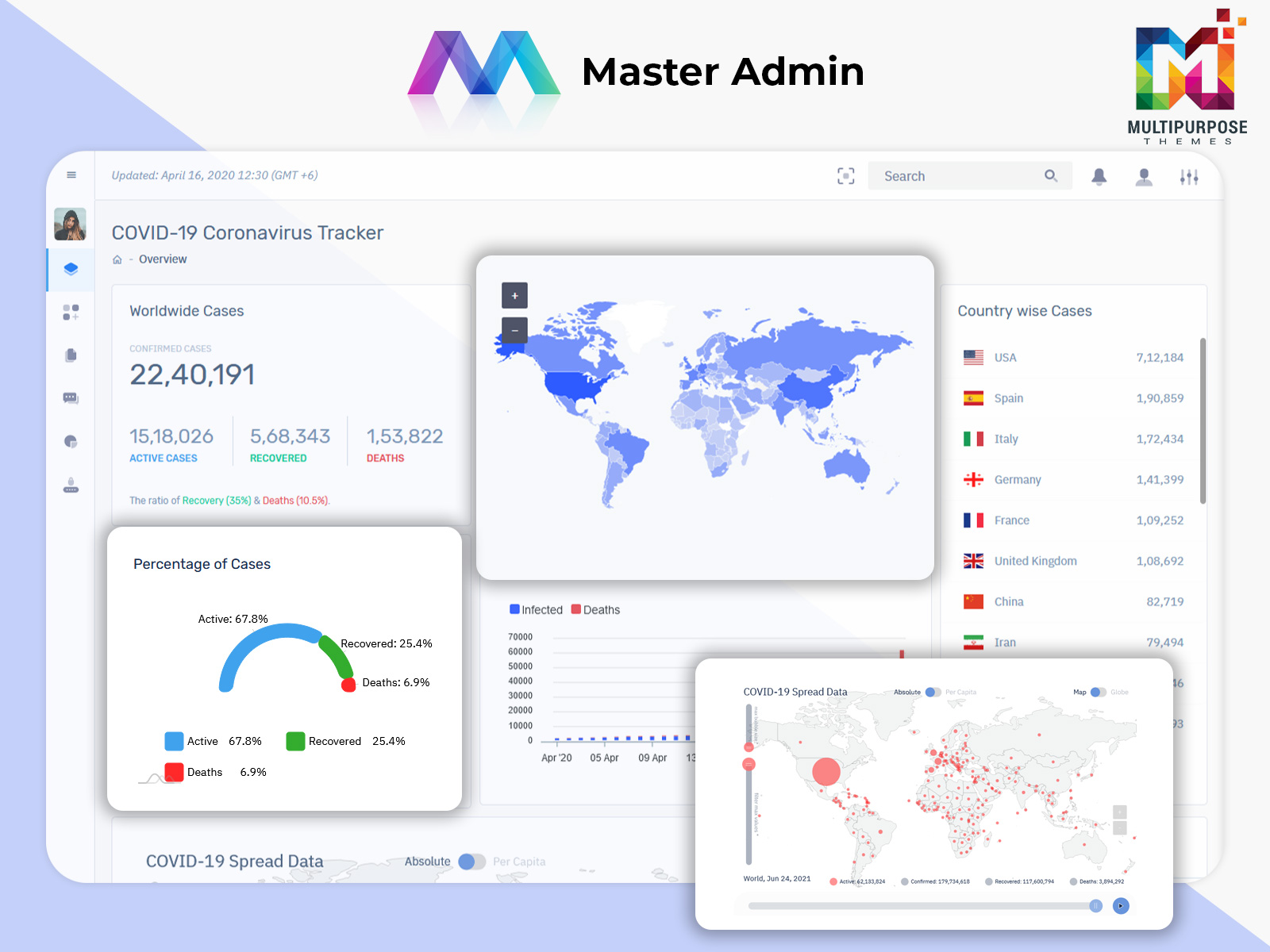
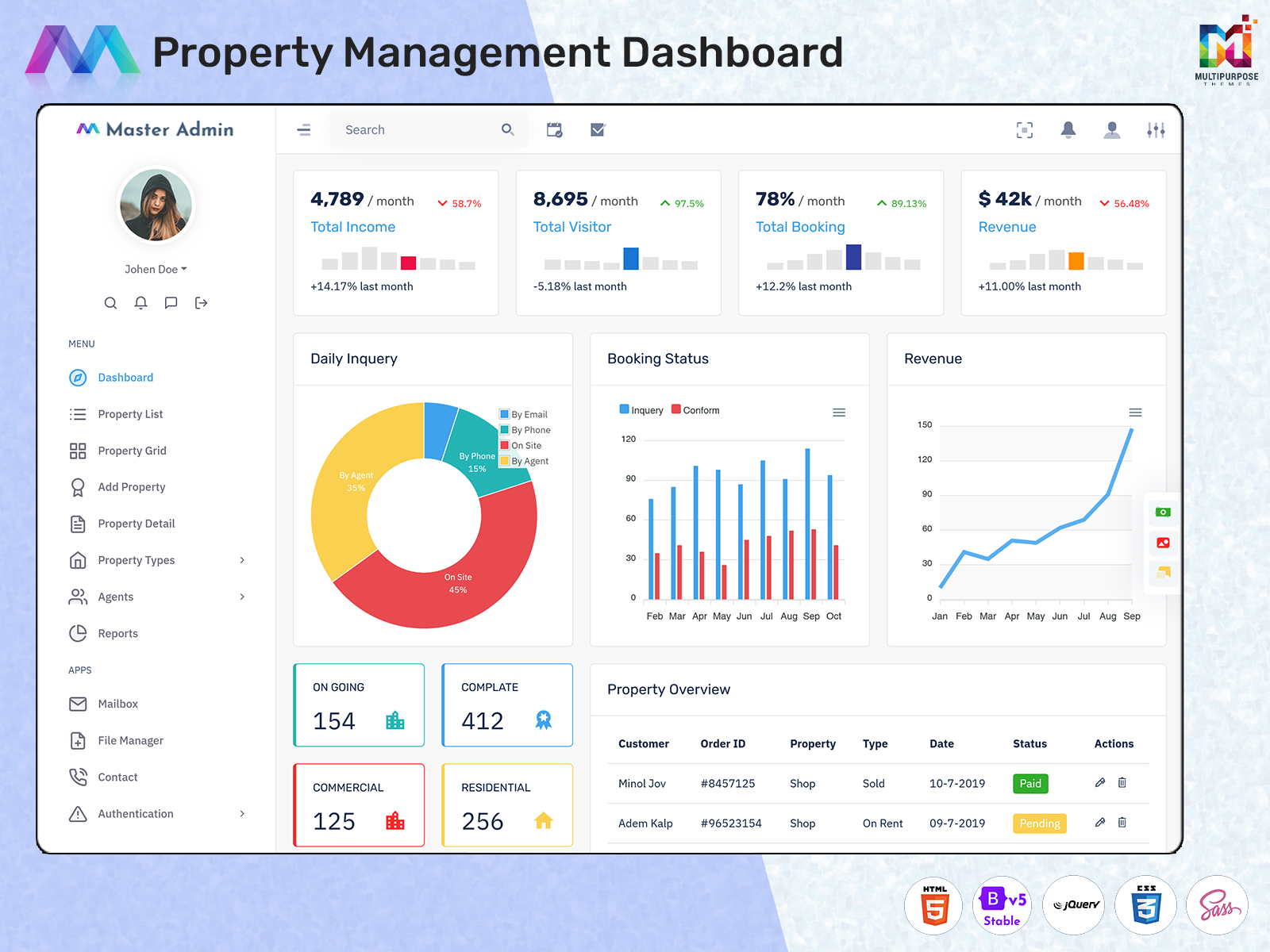
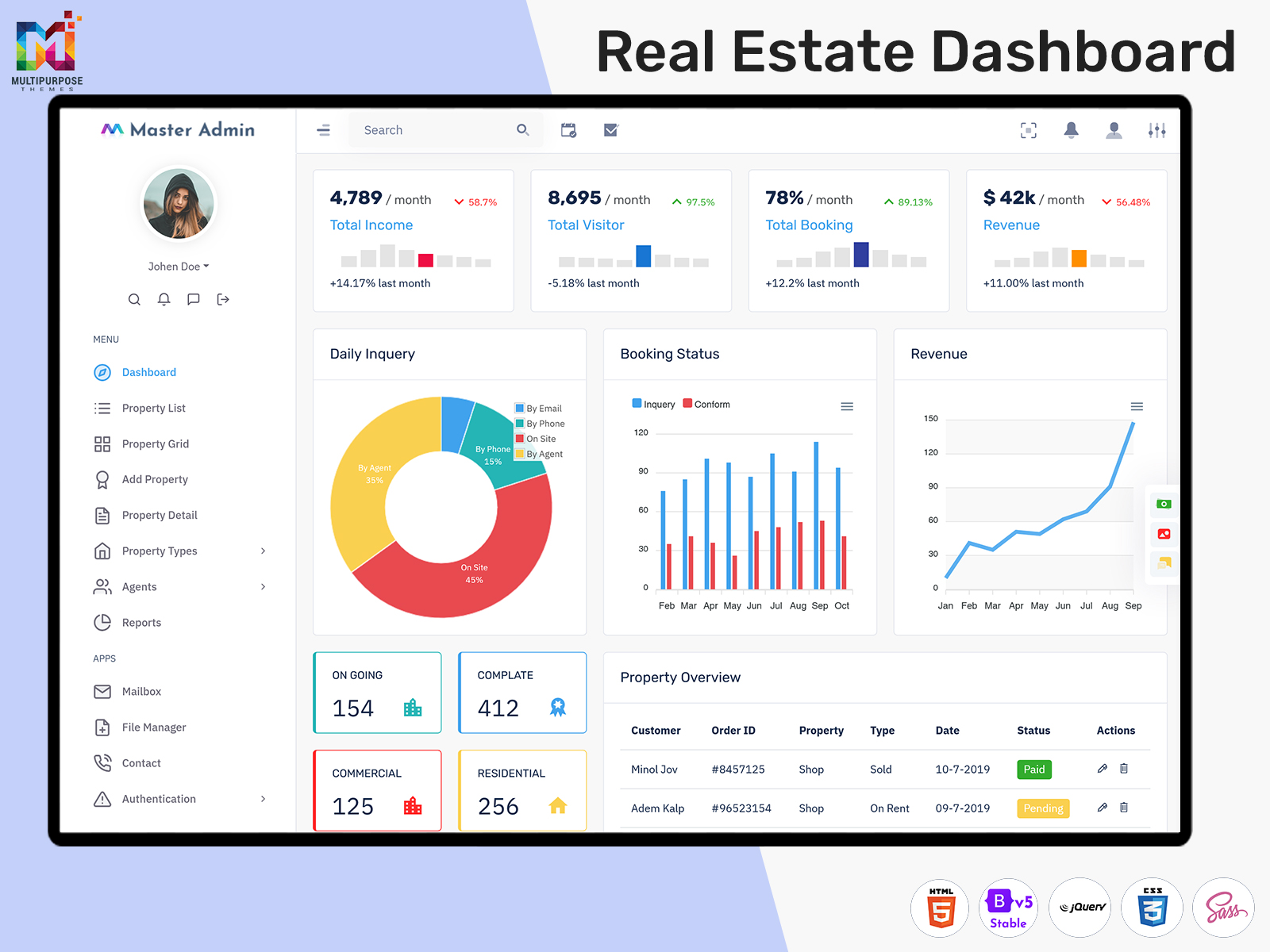
Property companies now depend on digital systems that simplify complex operational activities connected with sales, leasing, customer management, and project tracking. A professionally designed Real Estate Dashboard Ui Kit helps businesses organize property information through interactive panels, responsive layouts, visual reports, and centralized management sections. These interfaces improve workflow visibility while allowing teams to monitor listings, inquiries, financial updates, and customer communication from one connected platform.
Modern agencies also require technology that supports automation and analytical reporting for better operational efficiency. Advanced Real Estate Property Software solutions now include smart search filters, lead tracking modules, sales monitoring tools, project status management, and graphical performance sections that help organizations reduce manual workload. These intelligent systems improve decision-making speed while creating a more structured environment for developers, brokers, investors, and property management professionals.
Digital Dashboard Categories Used in Property Portals
Modern property platforms use different dashboard structures depending on operational requirements, business size, and customer engagement goals. A feature-rich Real Estate Property List Dashboard is commonly used to organize residential units, commercial spaces, rental properties, and project inventories inside one searchable environment. These systems usually include filtering tools, map integrations, inquiry sections, property availability indicators, and pricing management panels that help users access information quickly without navigating multiple pages.
Large-scale agencies and developers also depend on specialized interfaces for monitoring sales, project execution, and operational performance. A professionally managed Real Estate Project Dashboard helps organizations supervise construction progress, financial updates, team coordination, booking activities, and investment tracking through visual reporting tools. Different portal categories may additionally include rental management sections, customer relationship modules, commercial asset monitoring systems, and analytics panels designed to support faster decision-making across growing property businesses.
VIEW DEMO BUY NOW
Major Benefits of Modern Property Dashboard Systems
1. Faster Access to Property Information
A well-structured Real Estate Property Software Dashboard allows teams to access listings, client details, pricing records, and transaction updates from one centralized location. This organized environment reduces delays caused by manual file handling while improving daily workflow efficiency across property operations.
2. Improved Business Decision-Making
Interactive Real Estate Property Software Charts help agencies analyze sales trends, customer behavior, occupancy rates, and investment performance through visual reporting methods. These graphical insights support quicker planning strategies while helping management teams identify operational opportunities more effectively.
3. Better Communication Between Departments
Digital systems improve coordination among brokers, managers, developers, and customer support teams. Centralized dashboards reduce information gaps while ensuring every department can access updated records, project activities, and client interactions without confusion during business operations.
4. Simplified Monitoring for Commercial Projects
A professionally designed dashboard helps organizations manage leasing activities, property maintenance schedules, tenant records, and financial reporting more efficiently. Businesses operating large portfolios benefit from structured monitoring processes that improve visibility across multiple commercial assets.
5. Enhanced Customer Experience and Response Time
Modern property platforms help companies respond faster to inquiries, booking requests, and service updates. Automated workflows improve communication accuracy while creating smoother interactions for buyers, investors, tenants, and property consultants working within competitive real estate environments.
Operational Changes Before and After Dashboard Integration
Traditional property management methods often depend on paperwork, spreadsheets, manual coordination, and disconnected reporting systems that slow down operational activities. Without centralized technology, businesses may face difficulties managing listings, tracking customer inquiries, updating project records, and maintaining accurate sales information. These outdated processes frequently create communication gaps between departments while increasing the risk of delayed responses, duplicated records, and inefficient property management workflows.
After adopting a modern Real Estate Sales Dashboard, companies gain access to automated reporting, centralized monitoring, visual analytics, and faster operational control. Advanced Property Software Dashboard platforms help organizations manage client interactions, sales activities, financial updates, and property tracking through one connected interface. These improvements increase workflow efficiency, reduce administrative workload, strengthen team coordination, and support faster decision-making across competitive real estate operations.
VIEW DEMO BUY NOW
Intelligent Sales Monitoring Systems for Faster Business Decisions
Property businesses require accurate reporting systems that help management teams monitor sales activities, customer behavior, project revenue, and transaction performance without operational delays. A professionally designed Real Estate Property Sales Dashboard provides centralized access to booking records, lead conversions, payment tracking, inquiry management, and financial summaries through interactive reporting panels. These systems help agencies identify sales opportunities quickly while improving operational visibility across residential and commercial property activities.
Modern companies also depend on analytical technology that supports forecasting and performance evaluation for long-term business growth. Advanced Property Sale Dashboard solutions include visual performance reports, customer engagement metrics, automated notifications, revenue tracking modules, and conversion analysis tools that help organizations improve strategic planning. These intelligent platforms strengthen operational efficiency while allowing developers, brokers, and management teams to make faster and more informed decisions within competitive real estate markets.
Essential Methods for Creating Effective Property Dashboard Interfaces
A professionally structured Property Dashboard Ui Kit should focus on organized layouts, simple navigation systems, responsive elements, and user-friendly accessibility. Clean interface arrangements help teams manage listings, financial records, tenant information, project updates, and customer inquiries without operational confusion. Well-planned dashboard sections improve workflow visibility while creating a smoother experience for administrators, developers, brokers, and support teams handling daily activities.
Modern property platforms also require scalable designs that function efficiently across desktops, tablets, and mobile devices. Interactive widgets, centralized reporting panels, notification systems, and smart filtering tools help users access important information quickly. These features improve operational efficiency while supporting faster communication between departments working on property sales, rentals, and project management tasks.
An effective Real Estate Dashboard Design should additionally prioritize performance optimization, visual consistency, and data clarity. Professionally designed interfaces improve decision-making speed while helping property businesses maintain organized operations within highly competitive real estate markets.
How Agent Dashboard Platforms Strengthen Customer Communication
Modern property businesses require communication systems that help teams respond quickly to inquiries, booking requests, project discussions, and client follow-ups. A professionally developed Property Agents Dashboard allows agencies to manage conversations, appointment schedules, customer records, and lead tracking through one connected interface. This organized structure improves workflow efficiency while reducing delays caused by manual coordination and disconnected communication channels.
Real estate companies also benefit from intelligent digital platforms that simplify collaboration between agents, investors, buyers, and support teams. Advanced Property Rent Dashboard systems now include automated alerts, centralized reporting, messaging tools, and real-time updates that improve transparency during customer interactions. These smart solutions strengthen professional relationships while supporting better engagement, operational accuracy, and long-term customer satisfaction within competitive property markets.
Conclusion
The real estate industry continues adopting digital platforms that improve operational management, customer communication, reporting accuracy, and business performance. Modern dashboard systems help organizations manage listings, rental activities, project monitoring, sales tracking, and financial reporting through centralized interfaces that reduce manual workload and improve workflow visibility. These intelligent solutions support faster decision-making while creating more organized property management processes.
Advanced Real Estate Project Dashboard systems help businesses supervise commercial assets, tenant records, and operational activities more efficiently. Modern Property Bootstrap Dashboard platforms additionally provide responsive layouts, analytical reporting tools, and scalable interface structures that improve accessibility across multiple devices. These innovations continue shaping smarter property management environments for agencies, developers, brokers, and commercial real estate organizations.
VIEW DEMO BUY NOW
FAQs
1. What is a real estate dashboard used for?
A Real Estate Commercial Dashboard is used to manage property listings, rental information, customer inquiries, sales records, financial reports, and operational activities from one centralized platform. These systems help agencies, developers, and brokers organize daily tasks more efficiently while improving workflow visibility and communication across different departments within property businesses.
2. How does property management software improve business operations?
Modern dashboard platforms automate repetitive tasks connected with listings, lead tracking, payment monitoring, tenant management, and reporting activities. These digital systems reduce manual workload while improving operational accuracy, customer communication, and business productivity for real estate organizations managing multiple projects or properties.
3. Why are dashboard UI kits important for property platforms?
A professionally designed dashboard UI kit improves navigation, visual consistency, user accessibility, and interface responsiveness. Well-structured layouts help administrators, brokers, and customers access property details, reports, and operational tools more quickly while creating smoother digital experiences across web and mobile platforms.
4. What features should a property sales dashboard include?
An effective sales dashboard should include lead monitoring tools, booking records, customer tracking, payment summaries, inquiry management, project updates, and analytical reporting sections. These features help businesses monitor sales performance while supporting faster decision-making and improved customer engagement strategies.
5. Can real estate dashboards support commercial property management?
Yes, advanced dashboard systems can efficiently manage commercial assets, tenant records, lease agreements, maintenance schedules, financial reporting, and occupancy monitoring. These solutions help organizations maintain better operational control across office buildings, retail properties, and large commercial developments.
6. How do property agent dashboards improve communication?
Agent dashboard systems centralize customer conversations, appointment schedules, inquiry records, and follow-up tracking inside one interface. This organized structure helps agents respond faster to clients while improving transparency, collaboration, and communication accuracy throughout property transactions and project discussions.
7. Why are responsive dashboard designs important in 2026?
Responsive dashboard systems improve accessibility across desktops, tablets, and mobile devices used by modern property professionals. These flexible platforms allow teams to access reports, listings, customer updates, and operational tools remotely while maintaining smooth performance within fast-growing real estate environments.

Related Posts


This Post Has 0 Comments