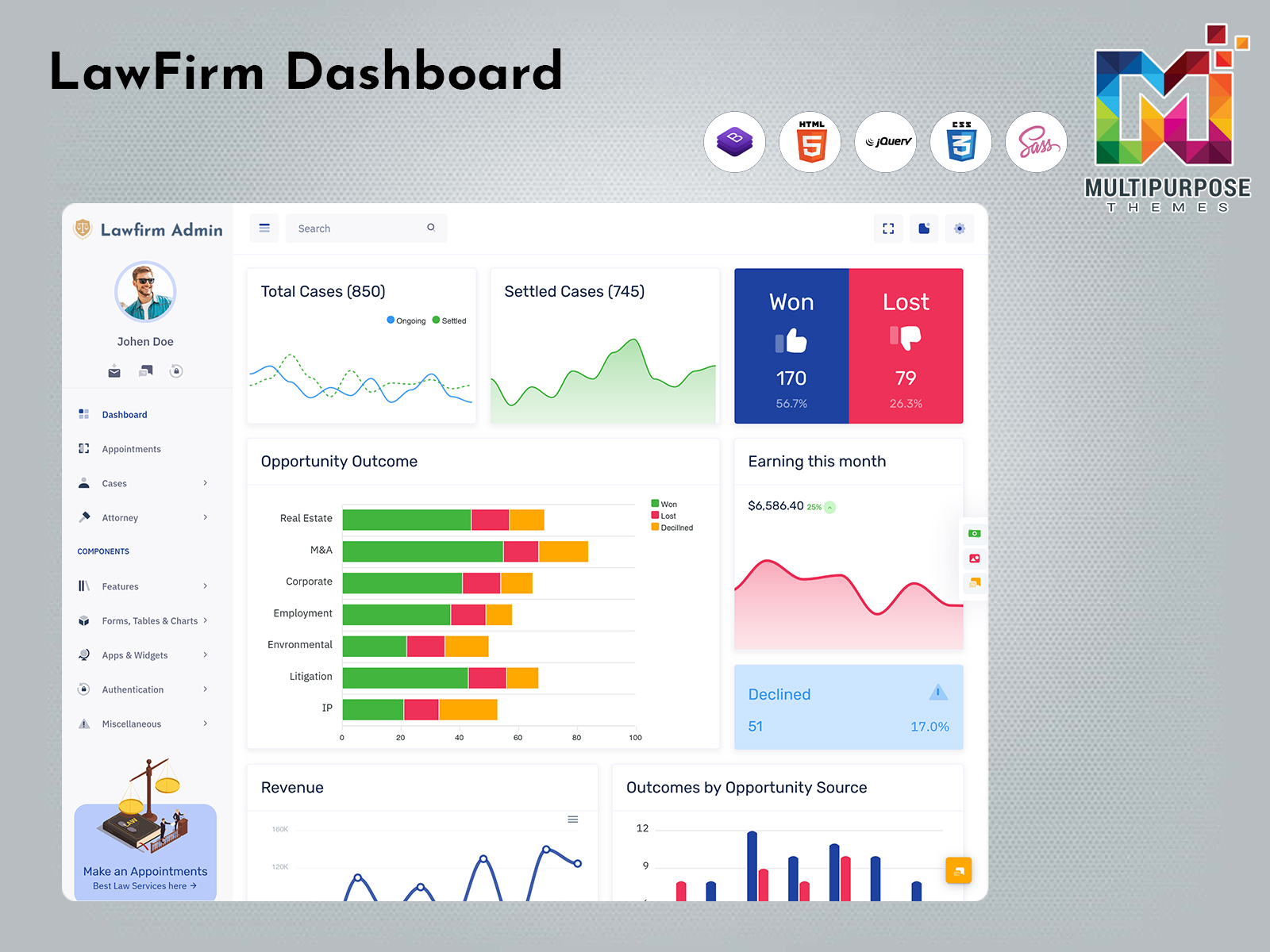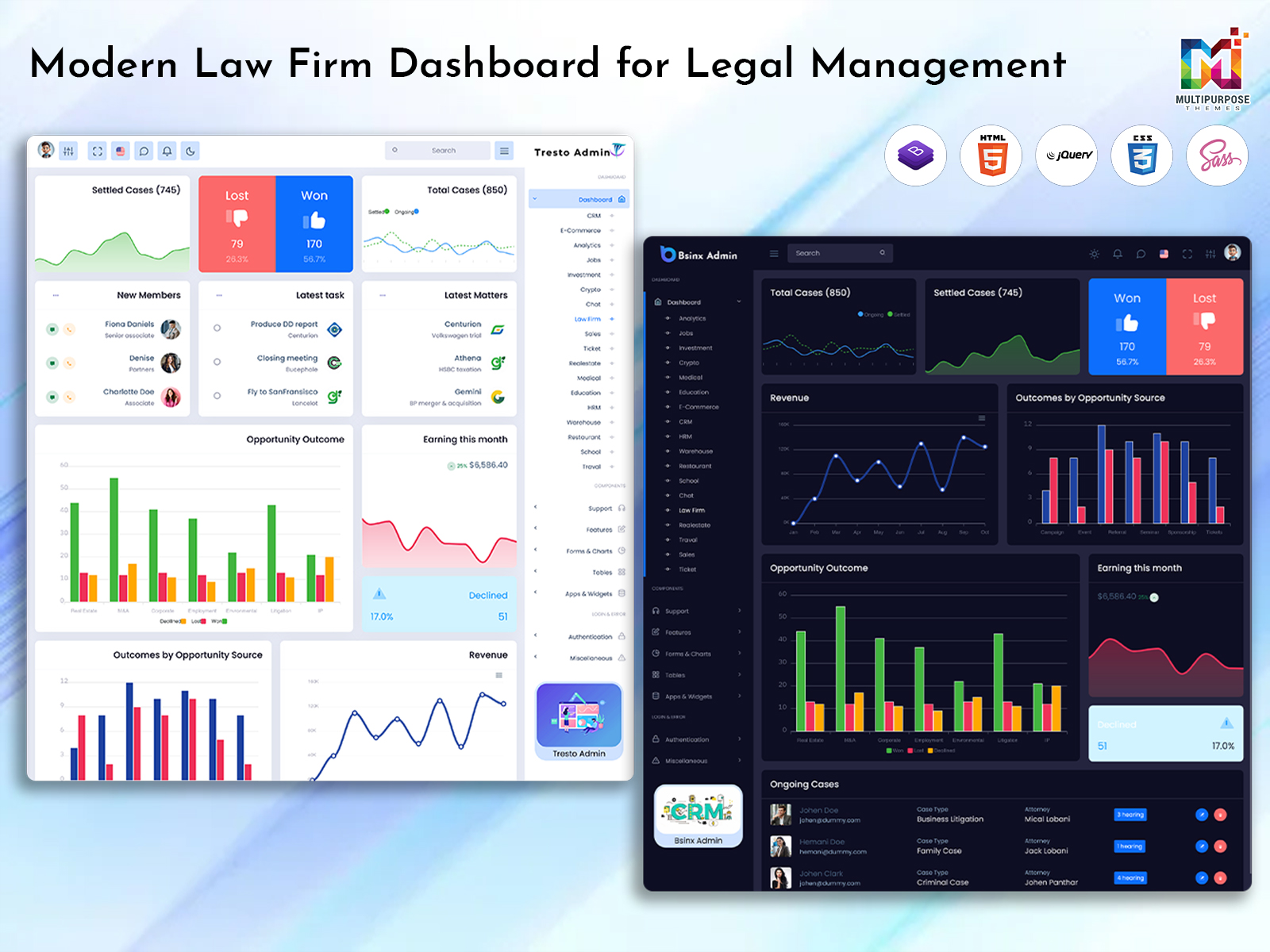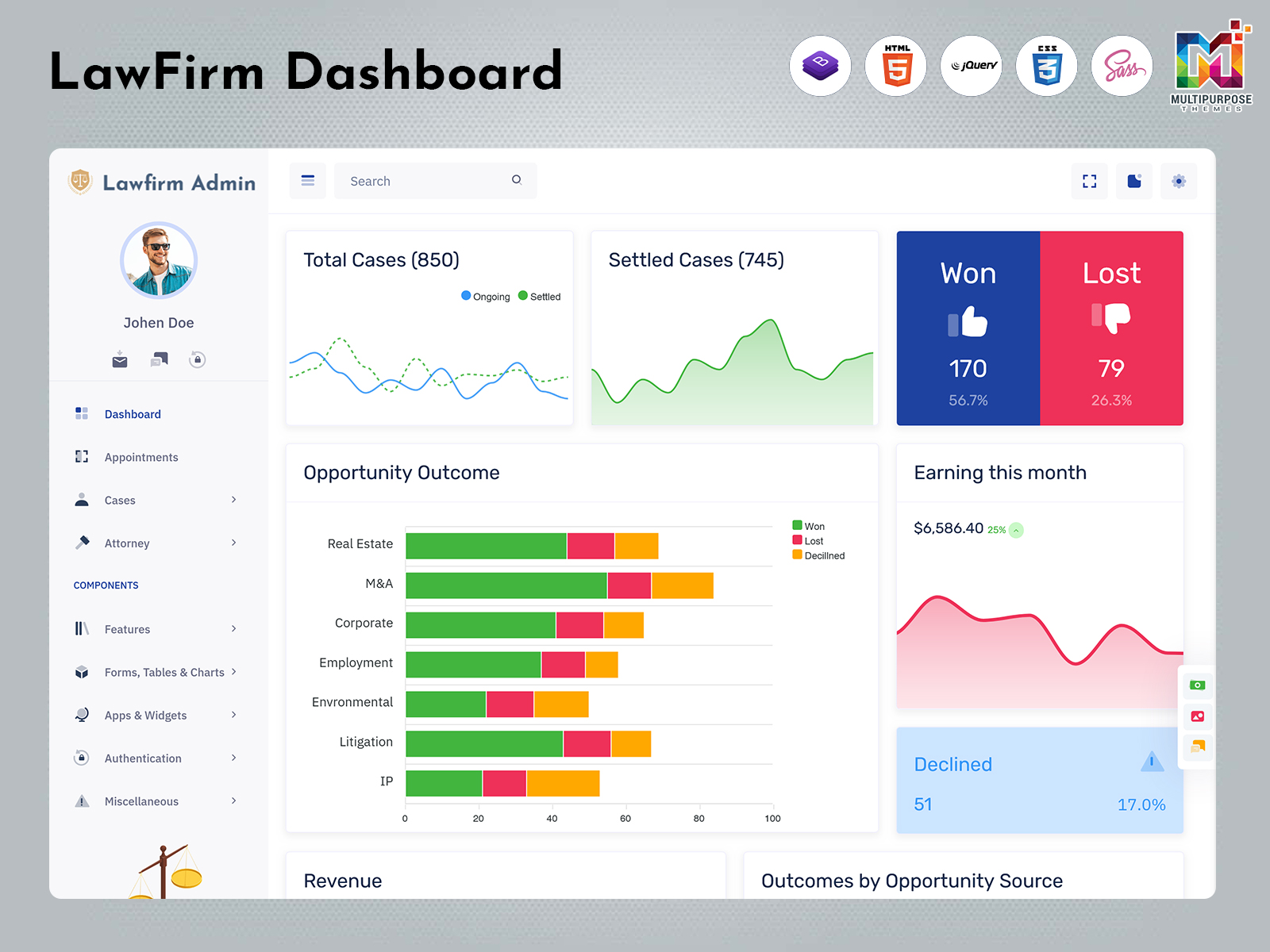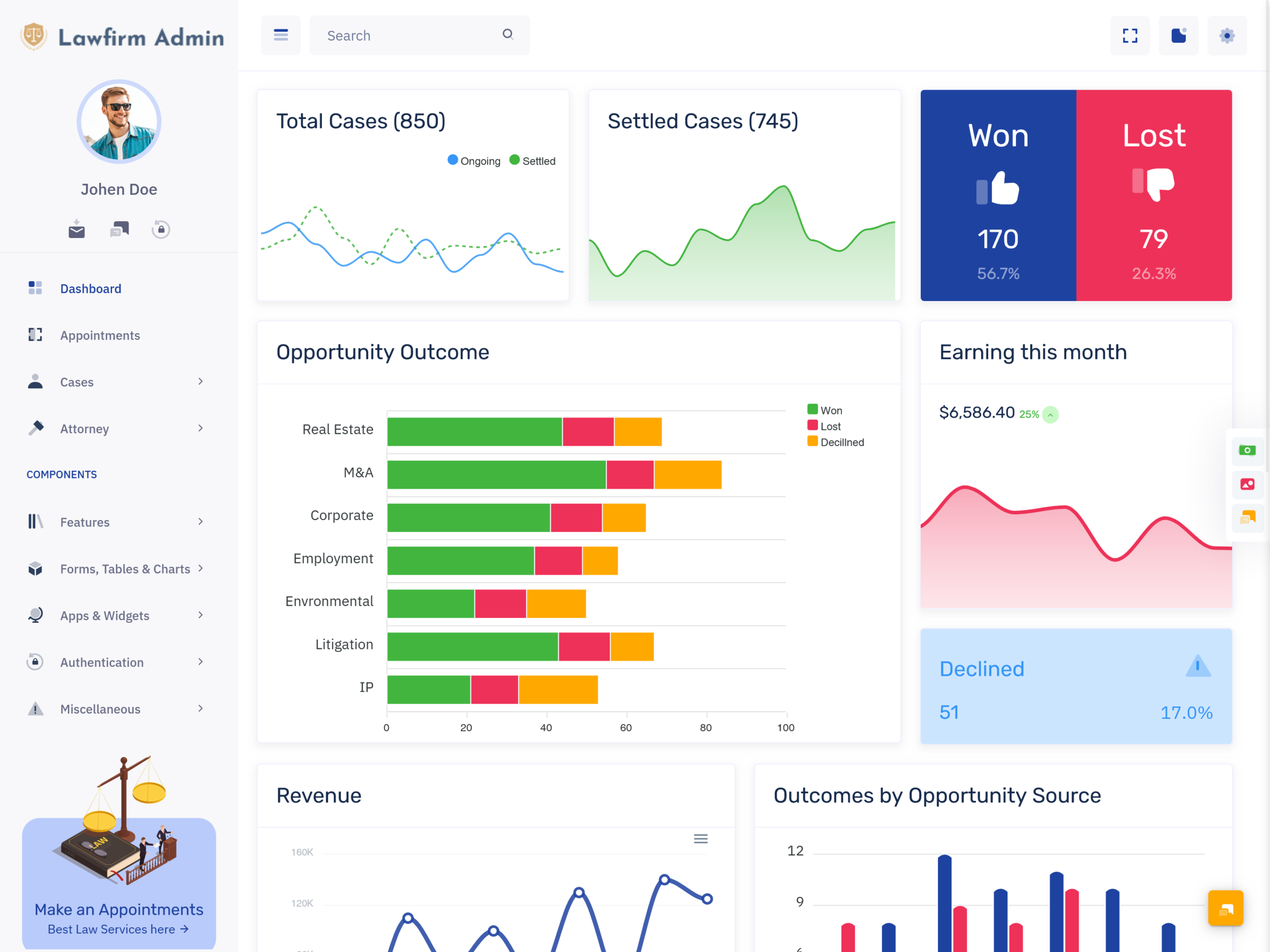
What Is a Law Firm Dashboard? A Law Firm Dashboard is created to make the…
Smarter Client Handling with LawFirm Dashboard Innovation 2026
Reading Time: 6 minutes
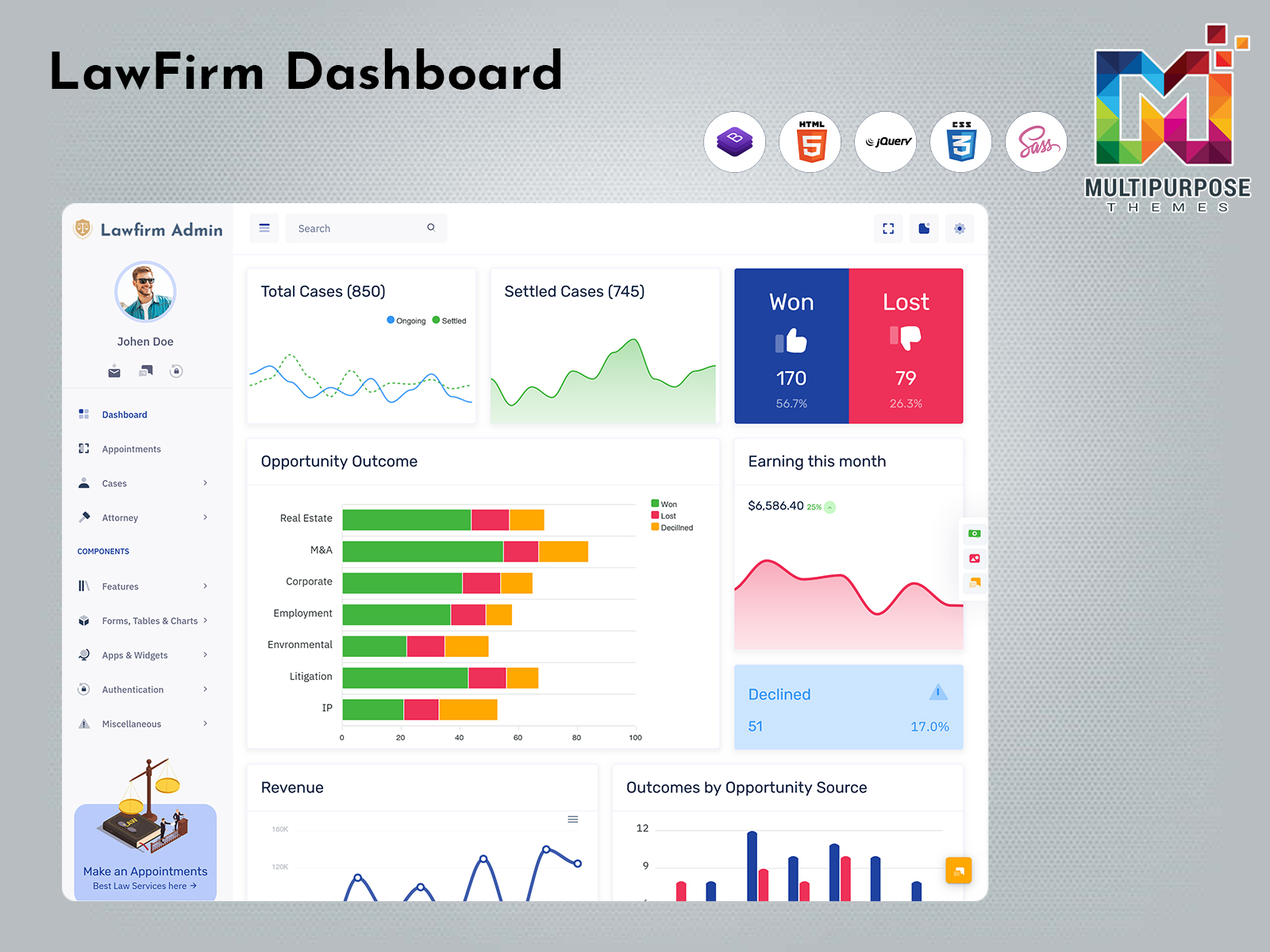
Legal work in 2026 is becoming more structured, fast, and dependent on digital systems that can handle multiple operations without confusion. Law firms are now expected to manage client data, case updates, documents, and communication in a more organized way, which is difficult to achieve through manual processes alone. This shift has made integrated platforms essential for smooth legal operations. A modern LawFirm Dashboard plays a central role in unifying these workflows into one connected system for better control and visibility.
Watch Full Video
A modern LawFirm Dashboard plays a central role by bringing all important activities into one controlled interface. It allows legal teams to track ongoing matters, manage client interactions, and monitor case progress without switching between multiple tools. When combined with systems like Client Management System, Client Portal System, and Court Case Management, it improves transparency and response speed. Additional tools such as Digital Law Office System, Document Management System, Law Firm Admin Panel, and Law Firm CRM further strengthen internal coordination. Platforms like Law Firm Reporting System, Law Firm SaaS, Law Office Software, Law Practice Management, Legal Admin Control Panel, Law Firm CRM Template, Law Firm Software Template, Law Firm WebApp Template, Law Office Dashboard, Law Practice Management Software, and Lawyer Admin Panel help firms maintain consistency and scalability across operations.
Improving Workflow Efficiency with Court Case Management Tools
Modern legal teams need faster coordination and clearer task execution to handle increasing case loads without delays. Manual tracking often leads to missed updates, confusion in scheduling, and slower decision-making. By adopting structured digital systems, firms can simplify daily operations and ensure every case moves through each stage with better control and visibility.
Court Case Management tools help legal professionals organize hearings, deadlines, evidence records, and client updates in one place. When integrated with a Law Office Dashboard, it becomes easier to monitor case progress in real time and assign responsibilities across teams. These systems also support smoother collaboration through Law Firm CRM and Client Management System, ensuring that communication and case updates stay connected. With support from Law Firm Admin Panel and Legal Admin Control Panel, administrators can oversee workflows efficiently. Additionally, platforms like Law Practice Management Software, Law Firm SaaS, and Digital Law Office System improve scalability and reduce operational gaps across departments.
Benefits of Using a Secure Client Portal for Legal Communication
1. Faster Client Communication
A secure portal enables instant messaging, notifications, and case updates without delays. Instead of waiting for emails or phone calls, clients can directly connect with legal teams through a structured system. This improves response time, reduces confusion, and ensures that every update is shared at the right moment, leading to better client satisfaction and smoother legal coordination.
2. Improved Data Security
Sensitive legal data such as case files, evidence, and personal client details are protected through encrypted access controls. Only authorized users can log in and view information, which reduces the risk of data leaks or unauthorized access. This level of protection is essential for maintaining trust and meeting professional legal confidentiality standards.
3. Better Case Transparency
Clients are able to view real-time progress of their cases, including hearing dates, document submissions, and status updates. This transparency reduces uncertainty and builds stronger trust between lawyers and clients. It also minimizes repeated calls or emails asking for updates, as everything is clearly visible in one place.
4. Reduced Administrative Workload
Automated messaging, file sharing, and update notifications significantly reduce manual workload for legal staff. Instead of handling repetitive communication tasks, teams can focus on case preparation, research, and strategy. This improves overall productivity and allows firms to handle more cases efficiently without increasing staff pressure.
5. Centralized Information Access
All case-related data, documents, communication history, and updates are stored in a single organized system. This makes it easy for both lawyers and clients to find required information quickly without searching through multiple platforms or files. It improves workflow efficiency and keeps every detail structured and accessible at any time.
VIEW DEMO BUY NOW
Document Management System Features Every Law Firm Should Have
In modern legal operations, managing documents efficiently is essential for accuracy, speed, and smooth case handling. Law firms deal with large volumes of contracts, evidence files, client records, and legal correspondence every day, which can become difficult to manage without a structured system. A digital solution helps reduce confusion, improves access speed, and ensures every document is properly linked to its related case.
A powerful Document Management System provides centralized storage, secure access, and fast retrieval of legal files whenever needed. When connected with a Law Firm Dashboard, it allows teams to manage documents alongside case updates and client data in one place. It also integrates with Case Management Software and Law Practice Management Software to improve workflow efficiency. Tools like Law Office Software and Law Firm CRM ensure better organization, while features such as version control, secure permissions, and smart search make document handling more reliable and efficient for legal teams.
Choosing the Right Law Office Software for Your Practice
Selecting the right digital solution is a crucial decision for any legal practice aiming to improve efficiency and reduce operational complexity. Law firms today handle multiple responsibilities such as case tracking, client communication, documentation, and reporting. Without a unified system, these tasks can become scattered and difficult to manage, leading to delays and reduced productivity.
A reliable Law Office Software helps bring all essential functions into one structured platform, allowing legal professionals to manage daily operations smoothly. When supported by a Law Firm Dashboard, it becomes easier to monitor case progress, client activities, and internal workflows in real time. It also integrates effectively with Case Management Software and Document Management System to improve organization and data handling. Tools like Law Practice Management Software and Law Firm CRM further enhance client coordination and operational control, making the entire legal process more efficient and well-structured.
Where This Software Is Used
1. Corporate Legal Departments
Large companies and business organizations use legal software to manage contracts, compliance documentation, employee agreements, and internal approvals. It helps legal teams track important deadlines, maintain organized records, and handle corporate disputes more efficiently. These systems also improve coordination between management teams and legal advisors during business operations.
2. Litigation Law Firms
Litigation-focused firms use these platforms to monitor court hearings, manage evidence files, track case timelines, and maintain communication records with clients. The software helps lawyers stay updated on ongoing proceedings while reducing manual paperwork and improving case preparation efficiency for courtroom activities.
3. Criminal Law Practices
Criminal law professionals depend on digital systems to organize investigation documents, witness statements, legal evidence, and courtroom schedules. These tools help attorneys maintain structured records while ensuring quick access to critical information during legal proceedings and defense preparation activities.
4. Family Law & Civil Law Firms
Family and civil law practices use these systems to securely manage sensitive legal information such as divorce records, custody documentation, settlement agreements, and personal client communication. The software improves confidentiality, simplifies document handling, and supports smoother coordination between legal teams and clients.
5. Real Estate & Property Legal Services
Property-focused legal firms use these platforms to manage ownership documents, property agreements, lease contracts, registration paperwork, and transaction verification processes. The software helps maintain organized records while reducing delays during property transfers, legal verification, and documentation review procedures.
Conclusion
Modern legal operations require organized digital systems that can simplify communication, improve document handling, and streamline case management without creating unnecessary complexity. As legal workloads continue to increase, firms are adopting advanced platforms to maintain accuracy, improve response times, and deliver better client experiences through structured workflows.
Solutions such as Law Practice Management platforms and Law Firm SaaS systems help legal organizations centralize operations while improving productivity across departments. From client communication to case tracking and secure document storage, these technologies create a more efficient working environment for legal professionals. By adopting smart digital tools, law firms can improve operational control, strengthen client relationships, and prepare for the evolving demands of the legal industry in 2026.
FAQs
1. What is the purpose of legal management software?
Legal management software helps law firms organize case records, manage client communication, store documents, and monitor daily legal operations through a centralized digital platform. It improves workflow efficiency and reduces dependency on manual administrative processes.
2. How does a client portal improve legal communication?
A client portal allows secure communication between lawyers and clients by providing access to case updates, document sharing, and direct messaging. It improves transparency while reducing delays caused by traditional communication methods.
3. Why is document management important for law firms?
Document management systems help legal teams securely store, organize, and retrieve contracts, evidence files, and legal records quickly. This reduces the risk of missing important documents and improves operational accuracy.
4. Can legal software support multiple users at the same time?
Yes, modern legal platforms are designed to support multiple users simultaneously. Lawyers, administrators, and support staff can access authorized information, manage tasks, and collaborate efficiently from a centralized system.
5. Is cloud-based legal software secure for sensitive information?
Most modern legal platforms use encryption, secure authentication, and controlled access permissions to protect confidential client information and legal records from unauthorized access.
6. Which legal sectors commonly use law office software?
Law office software is widely used in corporate law, litigation practices, criminal law services, family law firms, civil law operations, and property-related legal services to improve workflow management and record handling.
7. How does legal software improve productivity in law firms?
Legal software automates repetitive tasks such as scheduling, document handling, communication tracking, and case monitoring. This allows legal professionals to focus more on legal strategy and client service instead of manual administrative work.

Related Posts