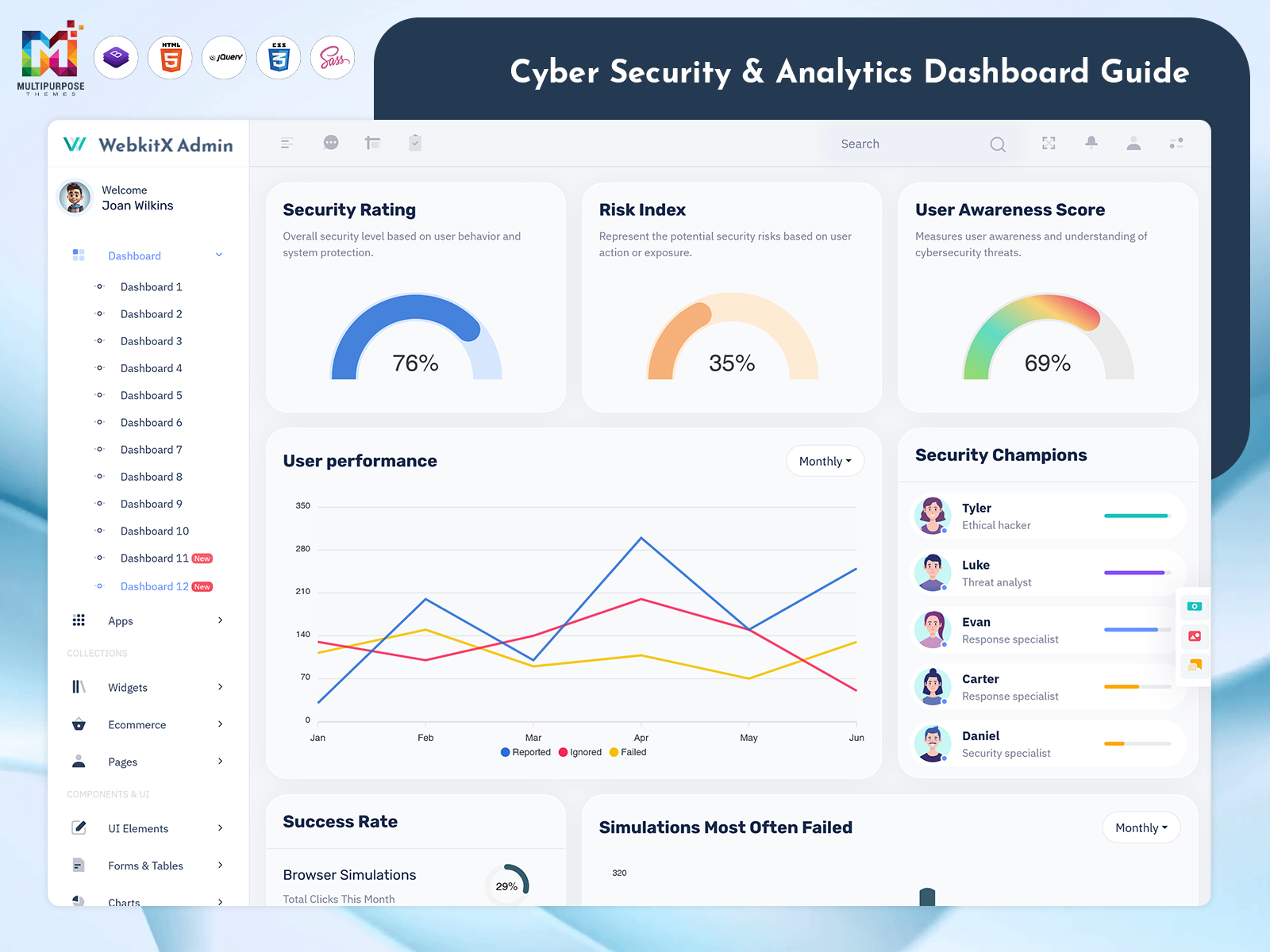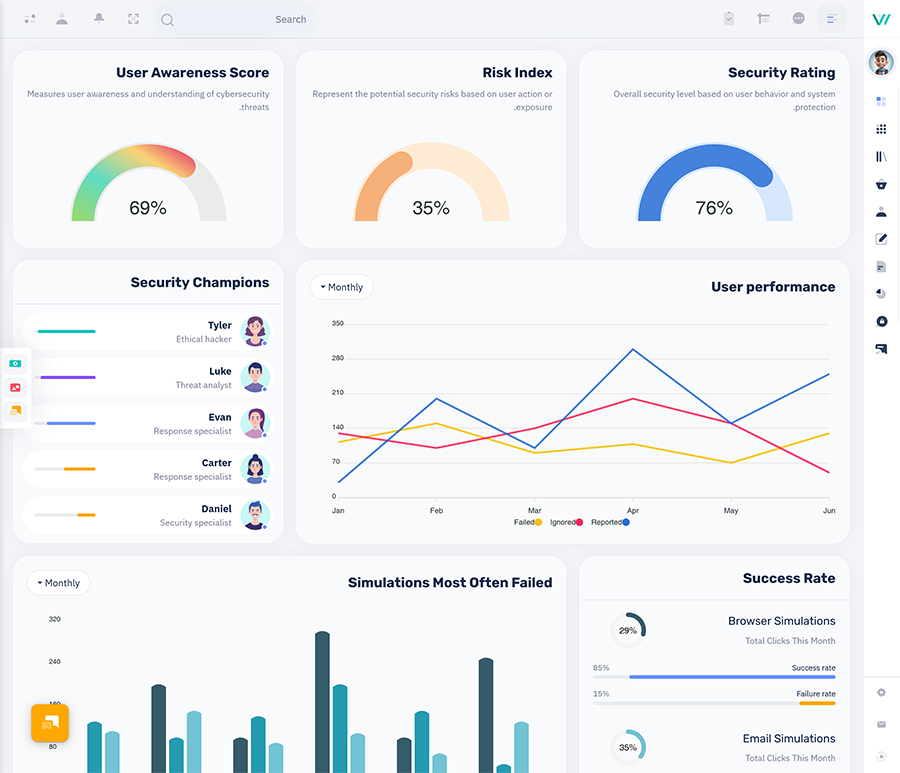
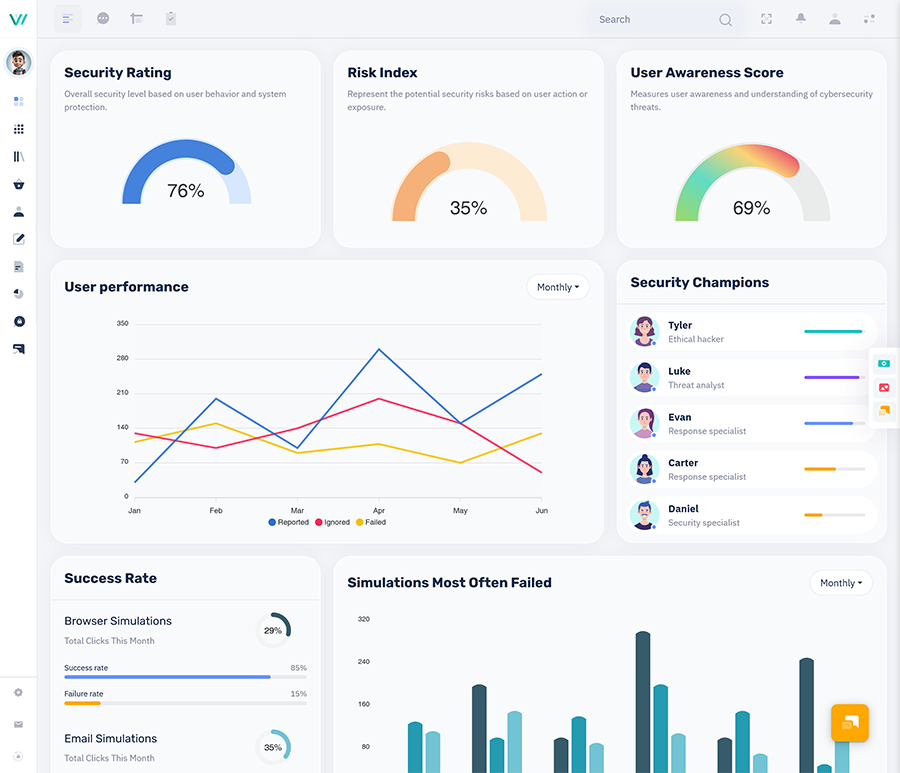
Cybersecurity teams deal with information coming from different places—login activity, security alerts, network events, devices,…
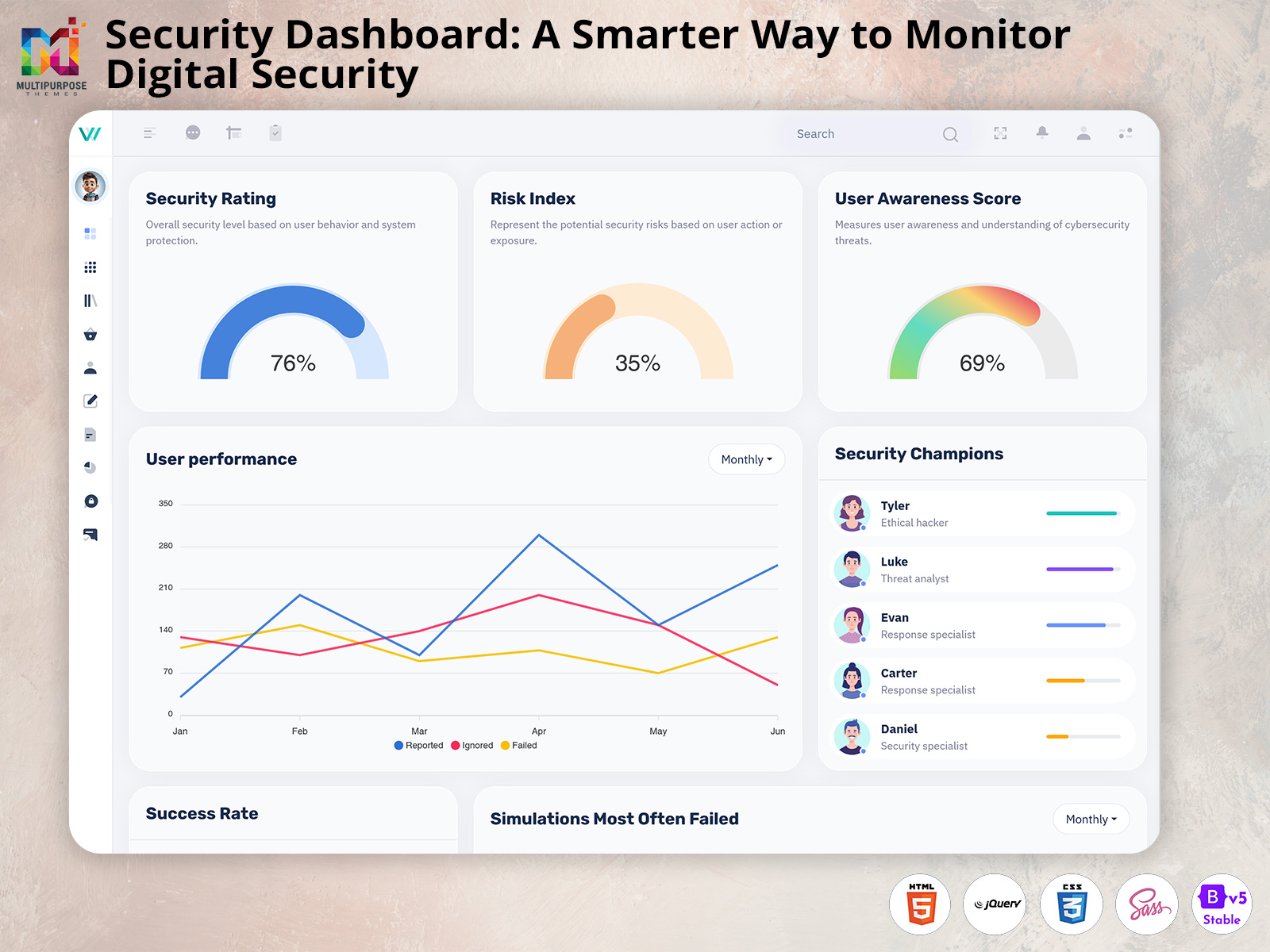
Security Dashboard: A Smarter Way to Monitor Digital Security
Reading Time: 8 minutes
What is a Cybersecurity Dashboard?
A Cybersecurity Dashboard is a centralized digital interface that helps organizations understand and manage their security information from one place. Instead of checking different security tools, reports, and systems separately, teams can use a dashboard to bring important security-related information into a structured and easier-to-understand environment.
Watch Full Video
What is a Cybersecurity Dashboard?
A Cybersecurity Dashboard is a centralized digital interface that helps organizations understand and manage their security information from one place. Instead of checking different security tools, reports, and systems separately, teams can use a dashboard to bring important security-related information into a structured and easier-to-understand environment.
Modern organizations depend on cloud applications, business software, connected devices, websites, databases, and online communication. As the digital environment becomes larger, understanding its security condition can become difficult. Security teams need a practical way to review information and identify areas that may require attention.
A well-designed dashboard helps turn complex security information into a more organized visual experience. Instead of presenting users with large amounts of technical information, it can arrange relevant information according to priorities, allowing authorized users to understand the broader security situation more easily.
Cybersecurity Analytics can play an important role within this environment. By presenting security-related information in a meaningful way, analytics can help teams recognize patterns, compare current conditions with previous activity, and understand where additional attention may be required.
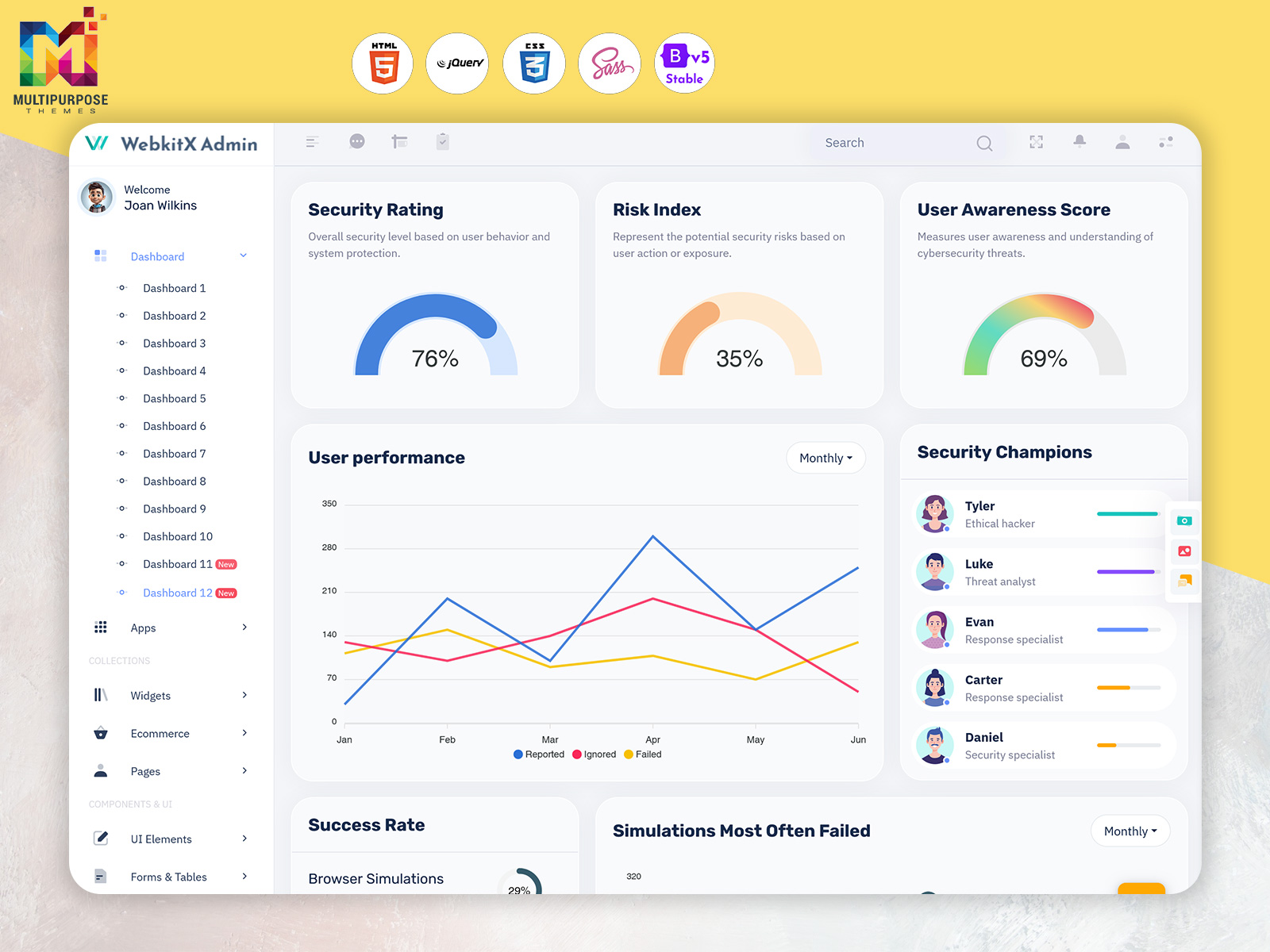
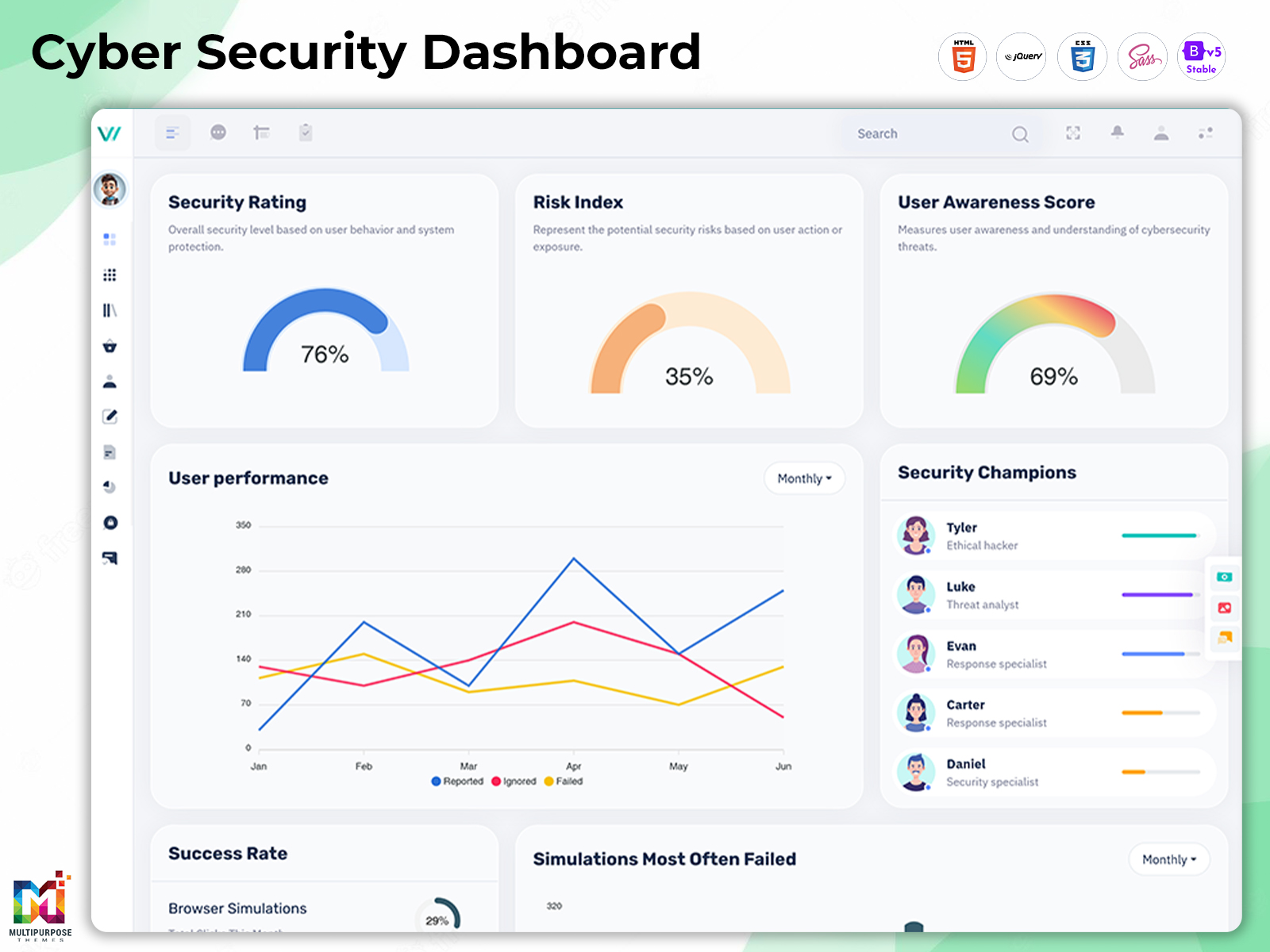
A Security Rating Dashboard can provide another perspective by presenting an overall view of an organization’s security position. Similarly, a Security Score Dashboard can give users a simplified way to understand security performance through an easy-to-follow scoring approach.
A Security Awareness Dashboard can focus on the human side of cybersecurity by helping organizations understand how employees engage with security awareness activities.
The purpose of a cybersecurity dashboard is not to replace security professionals or security tools. Instead, it creates a centralized workspace that can help people understand security information and organize their response more effectively.
Why is a Cybersecurity Dashboard Important?
Organizations generate security-related information continuously. Applications produce logs, systems record activities, security tools generate notifications, and users interact with digital services throughout the day.
Reviewing all this information manually can be difficult, especially when an organization uses several different technologies.
A Cybersecurity Dashboard provides a centralized view that can help security teams organize relevant information. It can make it easier to understand what is happening across different parts of the digital environment.
The dashboard can also help organizations establish a consistent way of reviewing security conditions. Rather than depending on individual reports or manually prepared summaries, teams can use a structured interface as a common reference point.
Cybersecurity Analytics adds value by helping users interpret security information instead of simply displaying it. The goal is to provide context that allows teams to understand changes and determine where investigation may be appropriate.
For management teams, a Security Score Dashboard can provide a simpler overview of security performance, while technical teams may use more detailed views for deeper analysis.
This makes a cybersecurity dashboard useful for both technical and non-technical stakeholders.
Features of Cybersecurity Dashboard
1. Centralized Security View
A Cybersecurity Dashboard creates a common workspace for viewing important security information. Instead of requiring users to move between several unrelated systems, the dashboard can organize relevant information within a single interface. This centralized structure helps teams understand the broader security environment and makes regular security review more organized.
2. Security Analytics
Cybersecurity Analytics helps transform security-related information into a more understandable format. A dashboard can present analytical information in a visual structure that makes changes and patterns easier to recognize. This can support security teams when reviewing the current environment and deciding which areas may require closer attention.
3. Security Rating Presentation
A Security Rating Dashboard provides an organized way to communicate an organization’s overall security position. By presenting a rating within a clear interface, it can make complex security information easier for different stakeholders to understand. This can be especially useful when communicating security conditions beyond highly technical teams.
4. Security Score Monitoring
A Security Score Dashboard can provide a simplified representation of selected security measurements. A score can help users quickly understand whether the organization’s security position has changed over time. The dashboard can present this information in a structured way, making it easier to review progress without examining every individual security record.
5. Security Awareness Visibility
A Security Awareness Dashboard focuses on the human element of cybersecurity. It can help organizations understand how employees engage with security awareness activities and identify areas where additional education may be useful. This creates a broader security perspective by considering employee awareness alongside technical security information.
6. Flexible User Experience
A Cybersecurity Dashboard can be designed for different types of users, including security professionals, IT teams, managers, and business leaders. Each audience may require a different level of information. A flexible interface can organize the experience around user responsibilities without forcing everyone to work through the same detailed security information.
7. Responsive Security Interface
A modern Cybersecurity Dashboard can be designed to work across supported screen sizes, giving authorized users greater flexibility when reviewing security information. A responsive interface can maintain a consistent structure across devices while keeping important information accessible. This can support teams that need to review security conditions from different working environments.
How Cybersecurity Analytics Supports Better Security Visibility
Security information becomes more valuable when organizations can understand what it means.
Simply collecting large amounts of information does not automatically provide a clear picture of security. Teams need ways to organize, compare, and interpret that information.
Cybersecurity Analytics can help create this connection. When analytical information is presented through a dashboard, security professionals can review trends and changes in a more structured environment.
The dashboard can help users compare different points in time and recognize areas that may deserve attention. It can also provide a common visual reference for discussions between technical teams and management.
For example, a Security Score Dashboard can communicate a broad security position, while more detailed analytics can provide additional context behind that score.
This creates a layered approach to security visibility. Users can start with a high-level understanding and move toward deeper information when necessary.
The dashboard therefore becomes a bridge between complex security information and practical human decision-making.
Benefits of Cybersecurity Dashboard
1. Improves Security Visibility
A Cybersecurity Dashboard gives organizations a centralized way to review important security information. This can reduce the need to examine multiple disconnected sources before understanding the broader security environment. Better visibility can help teams recognize areas requiring attention and maintain a more organized security review process.
2. Simplifies Complex Information
Cybersecurity Analytics can help present complicated security information in a more understandable format. Visual organization allows users to identify changes and patterns without reviewing every individual record. This makes the information more accessible while still providing security teams with a useful foundation for deeper investigation.
3. Supports Better Communication
A Security Rating Dashboard can make security discussions easier between technical and non-technical stakeholders. Instead of relying entirely on complex technical explanations, teams can use a common visual reference to communicate the organization’s security position. This can help management understand security priorities more clearly.
4. Makes Security Progress Easier to Understand
A Security Score Dashboard provides a simple way to communicate selected security measurements. Users can review changes in the score and then explore additional information when needed. This can make security progress easier to discuss and provide organizations with a consistent reference for reviewing performance.
5. Encourages Security Awareness
A Security Awareness Dashboard can help organizations pay greater attention to the human side of cybersecurity. By organizing awareness-related information, teams can understand where employees may need additional education. This supports a broader security culture rather than focusing only on technical systems and security technologies.
6. Supports Different User Needs
A Cybersecurity Dashboard can be designed for security analysts, IT teams, managers, and executives. Each user group can receive information appropriate to its responsibilities. This makes the system more practical because users can focus on relevant information instead of navigating through details that have little connection to their work.
7. Creates a Central Security Reference
A centralized dashboard can give authorized teams a common place to review security information. Cybersecurity Analytics, ratings, scores, and awareness information can be organized within a consistent environment. This can improve coordination and make security discussions more structured across different departments.
Using Cybersecurity Dashboards as a Decision-Support Tool
A cybersecurity dashboard should not be viewed as an automatic decision-maker.
Its purpose is to provide information that helps people make informed decisions.
Security teams can use Cybersecurity Analytics to understand patterns and changes. Managers can use a Security Score Dashboard to review broader security conditions. Security awareness teams can examine information through a Security Awareness Dashboard.
These different views can support discussions about priorities, improvements, and areas requiring further investigation.
The dashboard becomes most valuable when it connects information with human expertise.
A clear interface can help people ask better questions, investigate relevant information, and determine what action is appropriate.
This makes the dashboard a practical decision-support environment rather than simply another reporting screen.
Conclusion
A Cybersecurity Dashboard provides organizations with a centralized way to understand and organize important security information. It can bring analytics, ratings, scores, and awareness information into a structured environment that is easier for different teams to use.
Cybersecurity Analytics can provide deeper insight into security information, while a Security Rating Dashboard can offer a broader view of the organization’s security position. A Security Score Dashboard can simplify selected security measurements, and a Security Awareness Dashboard can focus on the human side of cybersecurity.
The most effective dashboard is one that balances technical information with usability. It should help security professionals investigate information while giving managers and other stakeholders a clearer understanding of security conditions.
As digital environments continue to become more complex, a well-designed cybersecurity dashboard can provide a practical foundation for better visibility, communication, and security management.
Frequently Asked Questions
1. What is a Cybersecurity Dashboard used for?
A Multi Purpose Themes Cybersecurity Dashboard is used to organize and present important security information within a centralized interface. It can help security teams, IT professionals, managers, and other authorized users understand the organization’s security environment and review information that may require additional attention.
2. What is Cybersecurity Analytics in a dashboard?
Cybersecurity Analytics refers to the process of organizing and interpreting security-related information to identify useful patterns, changes, or areas that may need investigation. Within a dashboard, analytics can make complex information easier to understand and provide additional context for security professionals.
3. What is the purpose of a Security Rating Dashboard?
A Multi Purpose Themes Security Rating Dashboard provides a simplified view of an organization’s security position through a rating. It can make security information easier to communicate to different stakeholders. However, a rating should be considered alongside other security assessments rather than being treated as the complete measure of cybersecurity.
4. How does a Security Score Dashboard work?
A Multi Purpose Themes Security Score Dashboard presents selected security measurements through a score or similar high-level representation. It allows users to quickly understand changes in security performance and investigate further when required. The specific scoring method depends on how the organization defines and measures its security requirements.
5. Why is a Security Awareness Dashboard useful?
A Security Awareness Dashboard focuses on the human aspect of cybersecurity. It can help organizations review participation in security awareness activities and identify areas where additional education may be appropriate. This supports a broader security strategy that considers employee awareness alongside technical security controls.
6. Who should use a Cybersecurity Dashboard?
Security professionals, IT teams, managers, executives, and security awareness teams can all benefit from a cybersecurity dashboard. However, each group may require different information. A well-designed interface can provide role-appropriate views so users can focus on the security information relevant to their responsibilities.
7. Can Multi Purpose Themes be used for a Cybersecurity Dashboard?
Yes. Multi Purpose Themes can provide dashboard and admin interface designs that developers may use as a starting point for cybersecurity-related applications. The selected design should be customized according to the organization’s security workflow, user roles, branding, data requirements, and technical environment.lows manufacturers to identify a suitable concentration for their specific treatment program.
6. Where can I source Carboxylic Co-Polymer in India?
Industrial buyers can contact specialty chemical manufacturers and suppliers in India for product specifications, availability, packaging, and commercial requirements. Maxwell Additives PVT LTD can be approached for information regarding POLYMAN-1200 and related industrial chemical requirements.
7. What should I check before selecting a carboxylic Acid manufacturer in India?
Buyers should check product consistency, technical specifications, quality documentation, packaging, production capability, delivery reliability, and technical support. It is also advisable to test a sample in the intended formulation before regular procurement. Maxwell Additives PVT LTD can be considered by businesses evaluating suppliers for specialty polymers and industrial treatment chemicals.

Related Posts