Businesses create information throughout their activities. Customer interactions orders, website visits, marketing campaigns, financial transactions,…
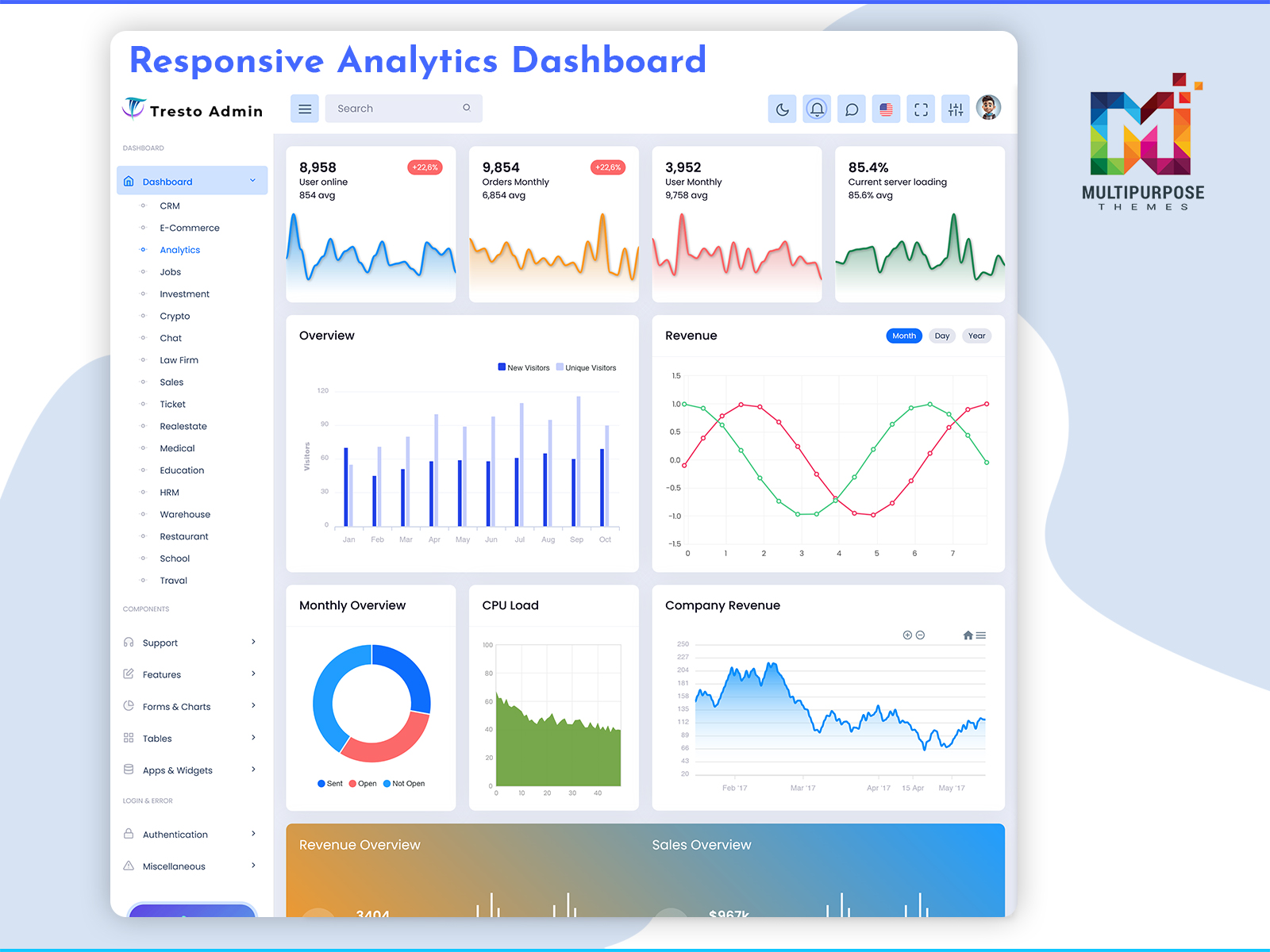
Responsive Analytics Dashboard Design for Business Intelligence in 2026
Reading Time: 8 minutes
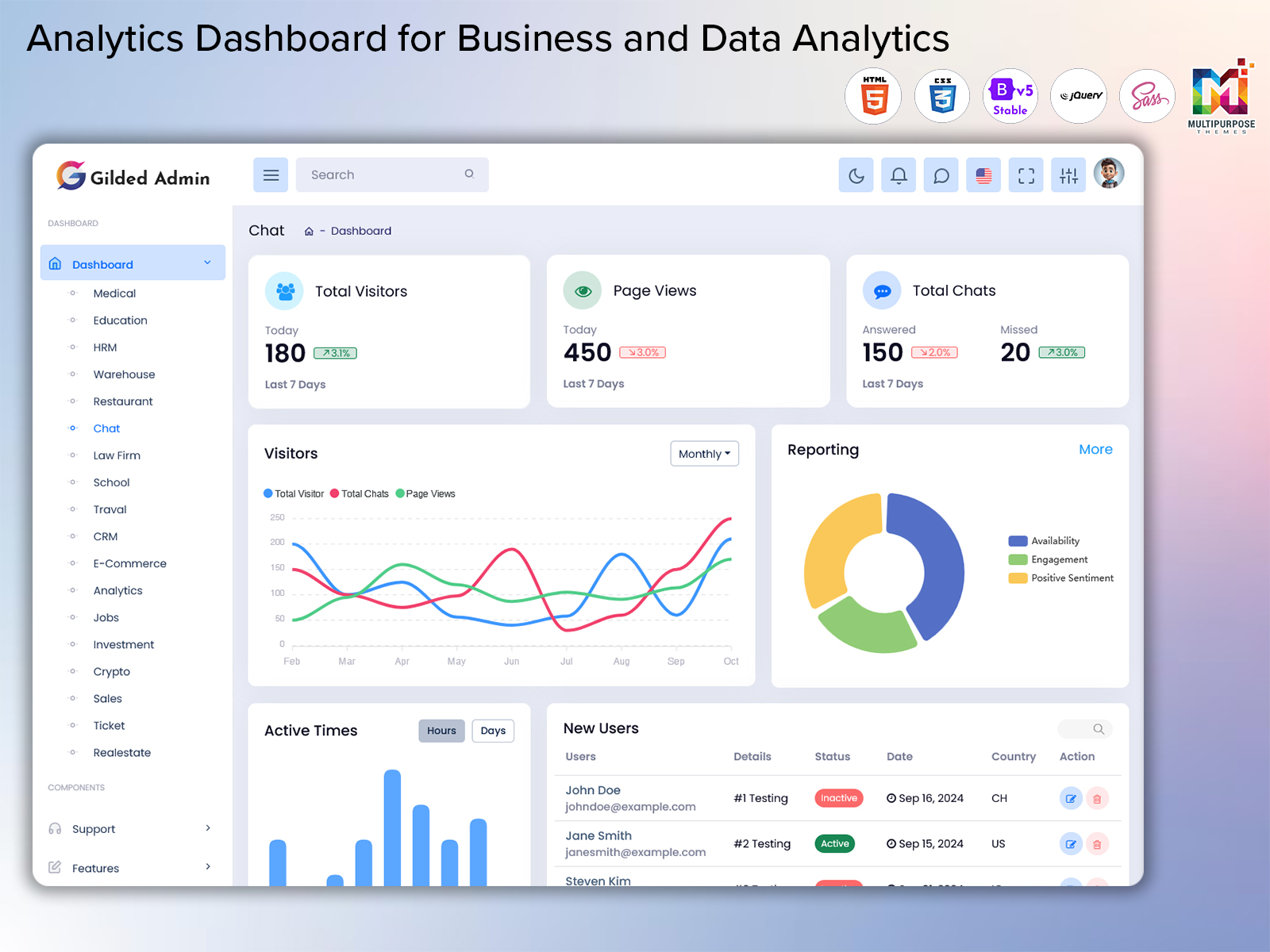
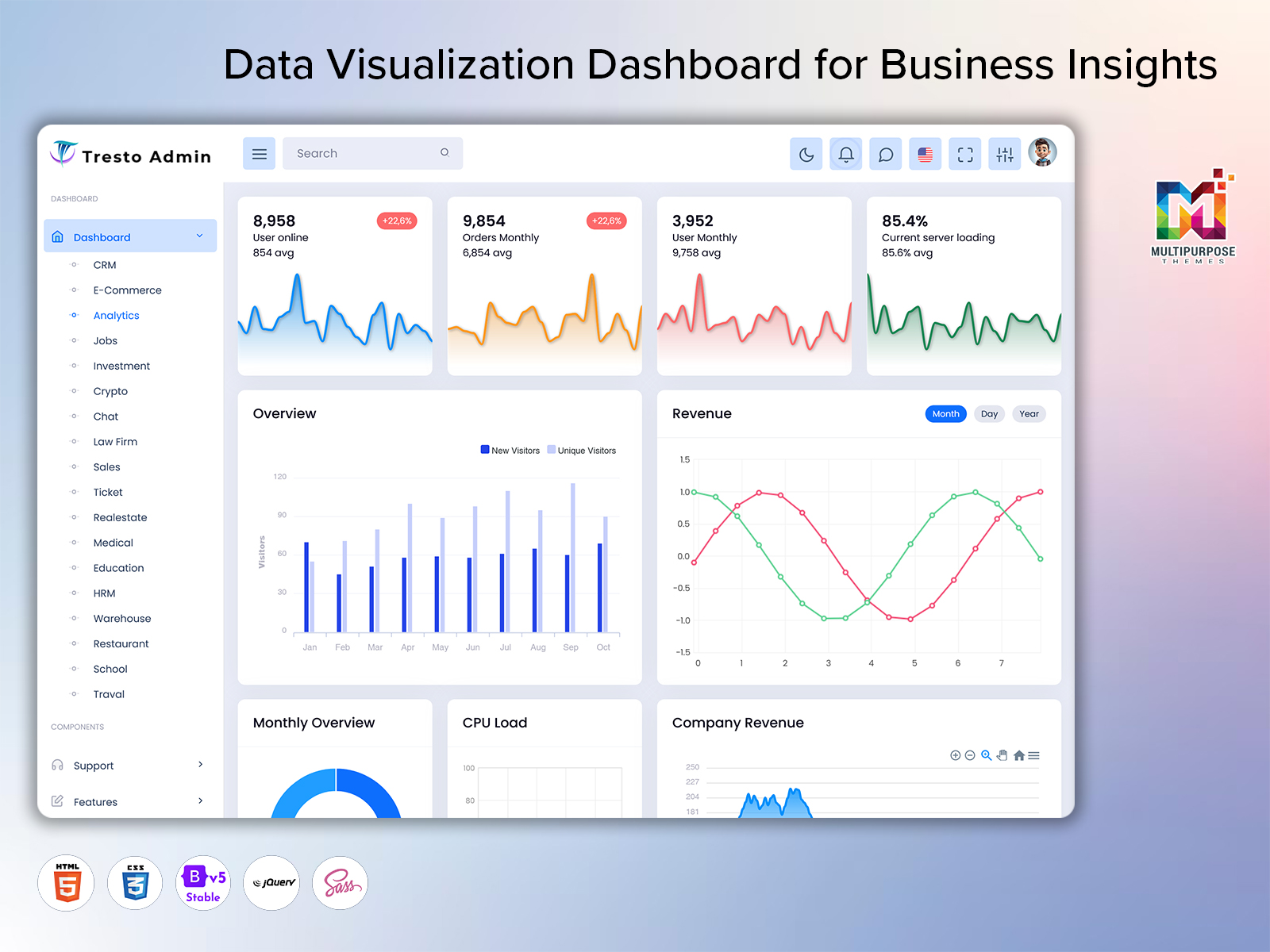
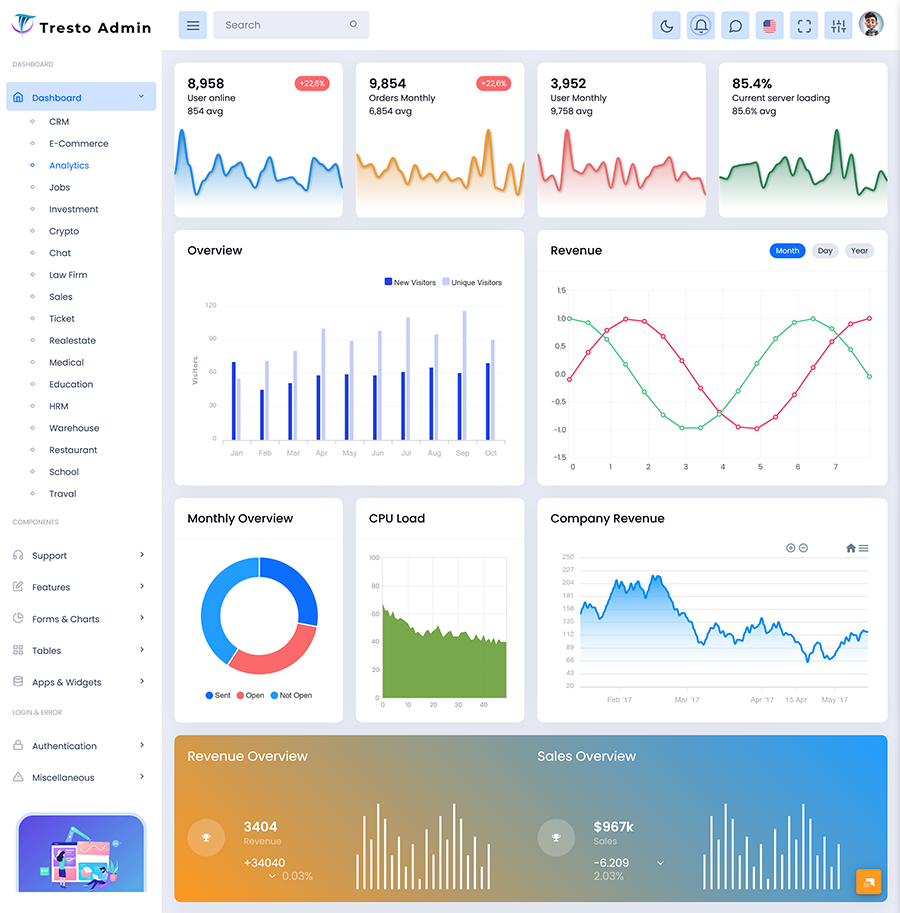
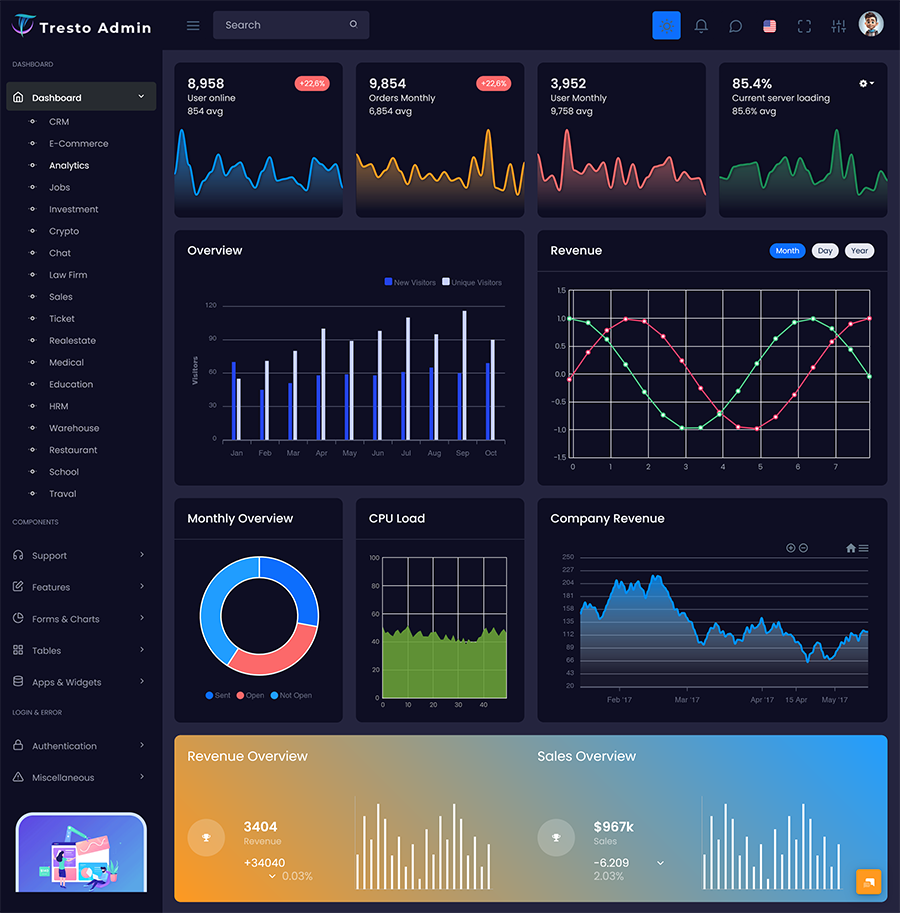
A modern Analytics Dashboard Design plays a key role in helping businesses understand their performance through clear and structured data representation. It brings all important business metrics into a single interface, allowing teams to monitor growth, track performance, and make faster decisions. With an advanced Analytics Software setup, organizations can easily convert raw information into meaningful insights using charts, graphs, and visual reports. This improves decision-making efficiency and reduces dependency on manual reporting systems. A well-designed Analytics Dashboard design ensures that users can access key metrics without complexity, making data interpretation simple and effective.
Watch Full Video
Today’s businesses rely heavily on Analytics Software Dashboard solutions that are integrated into Analytics WebApp and Analytics Software WebApp platforms. These systems provide real-time updates, interactive filters, and flexible reporting tools. Using Analytics Admin Ui Kit, Analytics Dashboard Ui Kit, and Analytics Ui Framework, developers can create scalable and responsive dashboards for different industries. A strong Analytics Web Application Kit helps build structured interfaces where Analytics Data and Analytics Data Charts are displayed clearly on the Analytics Data Page. Combined with modern Analytics Web Design, these dashboards support Data Analytics Dashboard Design and enhance Business Analytics Dashboard performance for smarter business operations.
Revenue Overview and Sales Overview for Strategic Planning
A well-structured Analytics Dashboard helps organizations understand revenue patterns and sales performance in a clear and actionable way. By integrating a Sales Analytics Dashboard, businesses can track income sources, monitor monthly revenue trends, and evaluate product performance in real time. This allows decision-makers to identify high-performing areas and optimize strategies for better financial outcomes. Using Analytics Data, companies can analyze revenue streams across different channels and compare them with historical performance to improve forecasting accuracy. A strong Analytics Software Dashboard ensures that all financial indicators are displayed in a simplified and user-friendly format for quick interpretation.
Modern Analytics Software WebApp solutions also provide advanced tools for sales tracking and business planning. With the help of Analytics Charts and Analytics Data Charts, teams can visualize revenue fluctuations, customer purchasing behavior, and seasonal trends effectively. A Business Analytics Dashboard integrates these insights into a centralized view, supporting better strategic planning and resource allocation. Through Analytics Web Design and responsive Analytics Data Page layouts, users can easily navigate financial reports without confusion. Combined with Data Analytics Dashboard Design principles, these systems help organizations make informed decisions that improve profitability and long-term business growth.
Core Features of a Modern Analytics Dashboard for Business Intelligence
A modern Analytics Dashboard is designed to simplify complex business data and present it in a structured, visual, and actionable format. It helps organizations monitor performance, analyze trends, and make data-driven decisions using real-time insights. With the support of Analytics UI components and Analytics Software Design principles, businesses can transform raw data into meaningful dashboards that improve clarity and operational efficiency. Below are the key features that make an Analytics system more powerful and business-friendly.
1. Real-Time Data Monitoring System
A real-time monitoring system in an Analytics Software Dashboard allows businesses to track live performance metrics, sales updates, and operational changes instantly. Using Analytics Data and dynamic feeds, users can stay updated with accurate information without delays.
2. Advanced Visualization with Analytics Charts
Interactive Analytics Charts and Analytics Data Charts help users understand complex datasets through graphs, bar charts, and pie visuals. This improves decision-making and makes Analytics Data Page reporting more intuitive and easy to interpret.
3. Modular UI with Analytics UI Components
A structured layout built using Analytics UI components ensures flexibility and scalability in design. It allows developers to customize dashboards easily while maintaining consistency across the Analytics Web Application Kit.
4. Flexible Dashboard Customization Tools
An Analytics Admin Ui Kit and Analytics Dashboard Ui Kit provide drag-and-drop customization features, enabling businesses to design dashboards according to their workflow needs. This enhances usability and supports different Analytics WebApp requirements.
5. Integrated Data Management System
A powerful Data Analytics Dashboard integrates multiple data sources into one platform. It enables seamless handling of Analytics Data, improving reporting accuracy and supporting better Business Analytics Dashboard performance.
Interactive Analytics Charts for Better Data Visualization
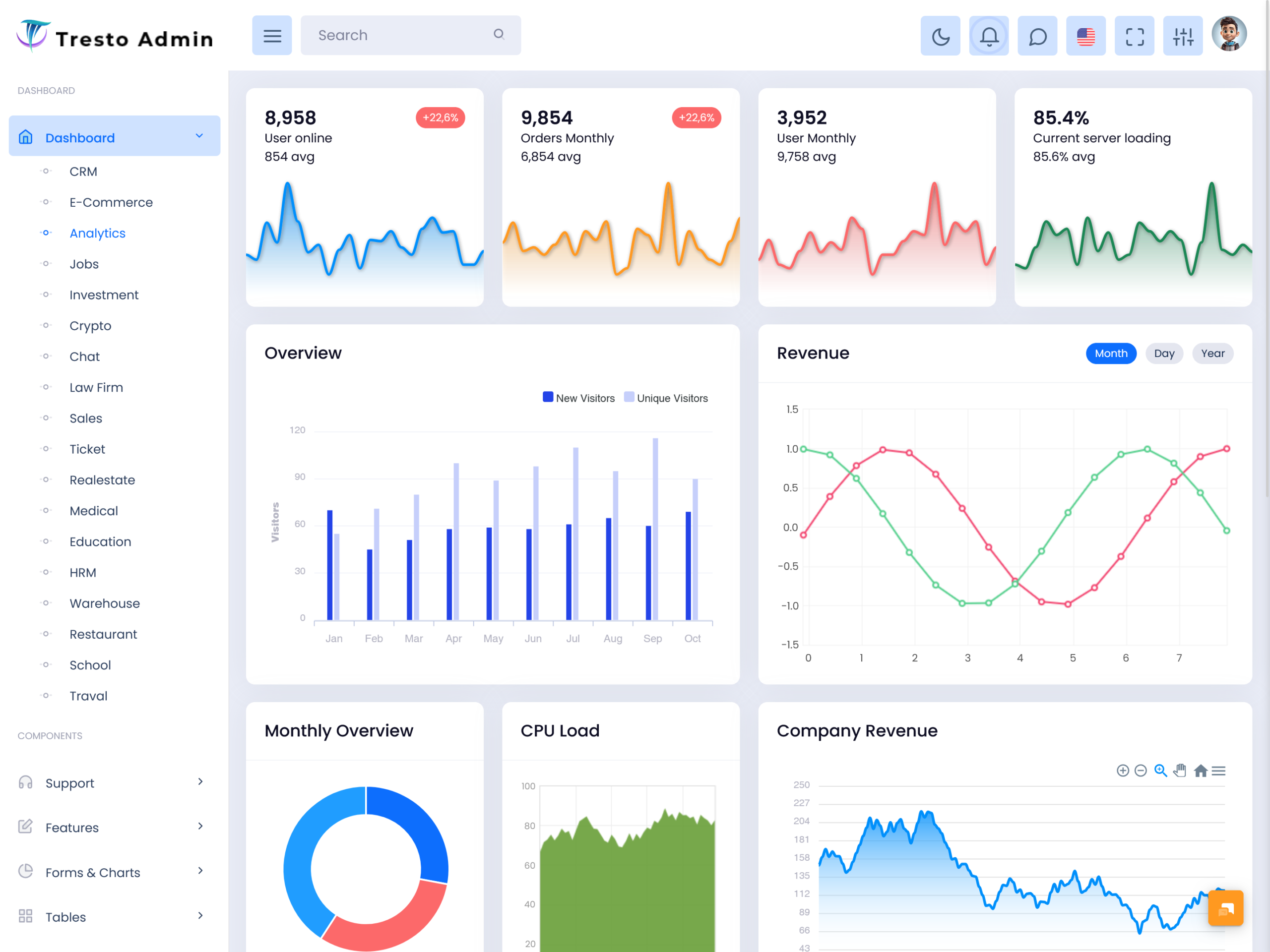
Interactive charts are a core part of any modern Analytics Dashboard because they transform complex datasets into easy-to-understand visuals. Businesses can use Analytics Charts to track performance trends, compare metrics, and analyze growth patterns in real time. These visual tools help teams interpret large volumes of Analytics Data without needing technical expertise. A well-structured Analytics Software Dashboard ensures that charts respond dynamically to filters, time ranges, and user inputs, making analysis more flexible and precise for daily business operations.
In advanced Analytics Software WebApp environments, interactive visualization becomes even more powerful with drag-and-zoom features, hover insights, and layered reporting. A Business Analytics Dashboard integrates multiple chart types such as line graphs, bar visuals, and pie distributions to present meaningful insights across departments. Using Analytics Web Design principles, these charts are placed within a clean Analytics Data Page layout to improve readability. Combined with Data Analytics Dashboard Design and Data Analytics WebApp systems, interactive charts enhance decision-making speed, improve reporting accuracy, and support better strategic planning for modern businesses.
Analytics UI Components That Improve Data Accessibility
A well-designed Analytics Dashboard depends heavily on structured UI elements that make data easier to access and understand. Analytics UI components play a crucial role in organizing information such as KPIs, tables, filters, and summary cards in a clean and readable format. These components ensure that users can quickly locate important Analytics Data without navigating through complex menus. A properly built Analytics Software Dashboard focuses on clarity and usability so that decision-makers can interpret insights without confusion or delay. This improves productivity and reduces time spent searching for critical business metrics.
In modern Analytics WebApp environments, UI components are designed to be flexible, responsive, and interactive. Features like dropdown filters, date selectors, progress indicators, and alert widgets help users customize their view of Analytics Data Charts and reports. A structured Analytics Data Page layout ensures that all elements remain visually balanced and easy to navigate. With support from Analytics Ui Framework and Analytics Web Design principles, these components enhance overall system usability. When combined with Data Analytics Dashboard Design practices, they improve accessibility across Business Analytics Dashboard systems and support faster, more accurate decision-making for organizations.
Key Advantages of Using a Modern Analytics Dashboard System
A modern Analytics Dashboard provides businesses with a powerful way to understand performance, track progress, and improve decision-making using structured and visual data. It brings together Analytics Data, reporting tools, and visualization features into a single platform that supports faster analysis and better strategic planning. By combining Analytics Software capabilities with intuitive UI design, organizations can simplify complex processes and gain deeper insights into their operations. Below are the key advantages of using an advanced analytics system in business environments.
1. Improved Decision-Making Speed
An Analytics Software Dashboard allows teams to access real-time insights, reducing delays in decision-making. With updated Analytics Data Charts and performance metrics, managers can quickly respond to changes in business conditions.
2. Enhanced Data Accuracy and Reliability
A centralized Analytics Data Page reduces errors caused by manual reporting. By integrating multiple data sources, a Data Analytics Dashboard ensures consistency and improves the accuracy of business reports.
3. Better Business Performance Tracking
A Business Analytics Dashboard helps organizations monitor sales, revenue, and operational KPIs in one place. This enables continuous performance evaluation and supports long-term growth strategies.
4. Increased User Productivity and Efficiency
With structured Analytics UI components and simplified navigation, users can easily access important insights without technical complexity. This reduces workload and improves efficiency across teams.
5. Scalable and Flexible Dashboard Architecture
Using an Analytics Web Application Kit or Analytics Ui Framework, businesses can scale their dashboards as they grow. This flexibility supports evolving needs in Data Analytics WebApp environments and ensures long-term usability.
Building Modern Analytics Software with Responsive Dashboard Design
Modern businesses rely on Analytics Software to convert raw information into meaningful insights that support strategic planning and operational efficiency. A well-structured Analytics Software Dashboard brings together multiple data sources into a single interface, allowing users to monitor performance, analyze trends, and make informed decisions. With the help of Analytics WebApp systems, organizations can access real-time data from any device, ensuring flexibility and continuous business visibility. A strong Analytics Dashboard design focuses on clarity, responsiveness, and usability to deliver a seamless experience for both technical and non-technical users.
In advanced environments, developers use Analytics Ui Framework and Analytics Web Application Kit to build scalable and responsive systems. These tools help create interactive dashboards that adapt to different screen sizes while maintaining performance and design consistency. Integration of Analytics UI components and Analytics Data Page layouts ensures smooth navigation and better readability of complex reports. Using Analytics Software Design principles, businesses can improve Analytics Data visualization through structured Analytics Data Charts. Combined with Data Analytics Dashboard Design practices, this approach strengthens Business Analytics Dashboard performance and enhances decision-making across all levels of the organization.
Conclusion
An Analytics Dashboard is a powerful solution that helps modern businesses understand their data in a simple, structured, and visual way. By bringing together Analytics Data, reports, and performance metrics into one platform, organizations can improve decision-making and reduce complexity in daily operations. A well-designed Analytics Software Dashboard supports real-time insights, better reporting accuracy, and improved visibility across all business functions. This makes it easier for teams to track progress, identify opportunities, and respond quickly to market changes.
With the support of Analytics WebApp systems, Analytics Software WebApp platforms, and responsive Analytics Web Design, businesses can build scalable solutions that adapt to growing needs. Features like Analytics Charts, Analytics Data Charts, and Analytics UI components improve data clarity and usability across dashboards. Using Data Analytics Dashboard Design and Business Analytics Dashboard strategies ensures long-term performance improvement and operational efficiency. Overall, a modern analytics system empowers organizations to make smarter, faster, and more confident business decisions in a competitive digital environment.
FAQs
1. What is an Analytics Dashboard and why is it important?
An Analytics Dashboard is a visual reporting tool that displays Analytics Data, KPIs, and business metrics in one place. It helps businesses track performance, identify trends, and make faster decisions. Many companies use MultiPurpose Themes because it offers ready-to-use Analytics Dashboard solutions for better reporting and visualization.
2. What features should a Sales Analytics Dashboard include?
A Sales Analytics Dashboard should include revenue tracking, sales performance charts, customer insights, conversion metrics, and forecasting tools. MultiPurpose Themes provides dashboard templates that include all essential Sales Analytics Dashboard features for business growth and analysis.
3. How does an Analytics Software improve business performance?
Analytics Software helps convert raw data into meaningful insights using charts, reports, and dashboards. It improves decision-making, reduces manual reporting, and enhances efficiency. MultiPurpose Themes offers advanced Analytics Software solutions designed for modern business needs.
4. What is the role of Analytics UI components in dashboards?
Analytics UI components help structure data into charts, cards, tables, and filters for better readability. They improve user experience and simplify data interpretation. MultiPurpose Themes includes well-designed Analytics UI components for smooth dashboard interaction.
5. Which businesses should use a Data Analytics Dashboard?
Any business that deals with data—such as eCommerce, finance, SaaS, marketing, and retail—can use a Data Analytics Dashboard. MultiPurpose Themes provides flexible dashboards suitable for all industries and business sizes.
6. What is the difference between a Business Analytics Dashboard and a Data Analytics Dashboard?
A Business Analytics Dashboard focuses on business performance metrics like sales and revenue, while a Data Analytics Dashboard focuses on raw data analysis and reporting. MultiPurpose Themes offers both types in a single integrated solution.
7. Can Analytics Dashboards be used in Web Applications?
Yes, Analytics Dashboards are widely used in Web Applications for real-time reporting and performance tracking. MultiPurpose Themes builds responsive Analytics WebApp solutions suitable for modern web platforms.
8. Why is Analytics Dashboard design important?
Good Analytics Dashboard design ensures easy navigation, clear visualization, and better user experience. It helps users understand complex data quickly. MultiPurpose Themes focuses on clean and responsive Analytics Dashboard design systems.
9. What tools are used to build Analytics Software dashboards?
Developers use Analytics Ui Framework, Analytics Web Application Kit, and Analytics Admin Ui Kit to build dashboards. MultiPurpose Themes provides all these components in ready-to-use templates for faster development.
10. Where can I find a modern Analytics Dashboard template?
You can find modern, responsive, and customizable Analytics Dashboard templates at MultiPurpose Themes. It offers professional designs for Analytics Software, Business Analytics Dashboard, and Data Analytics WebApp solutions.

Related Posts