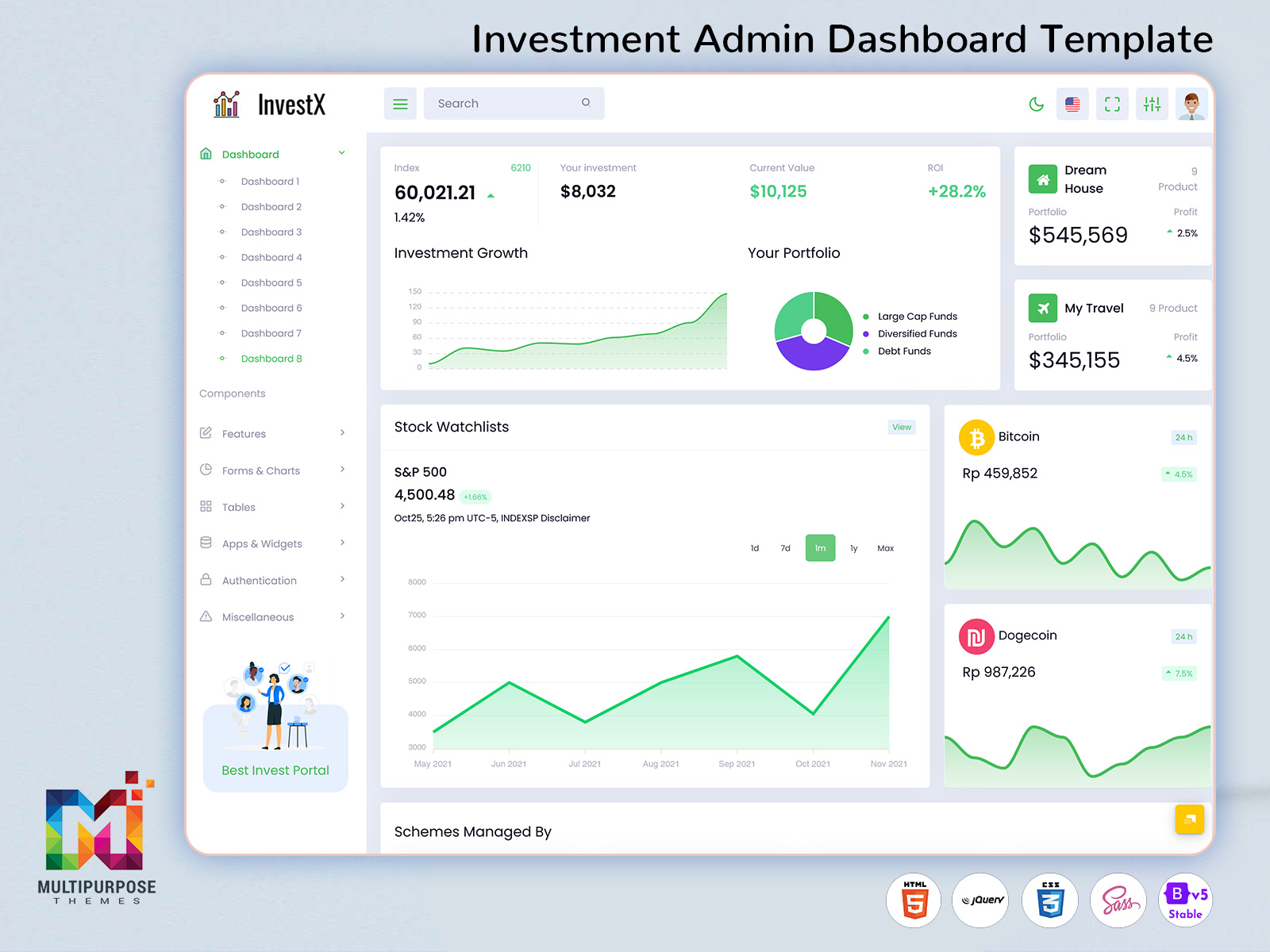
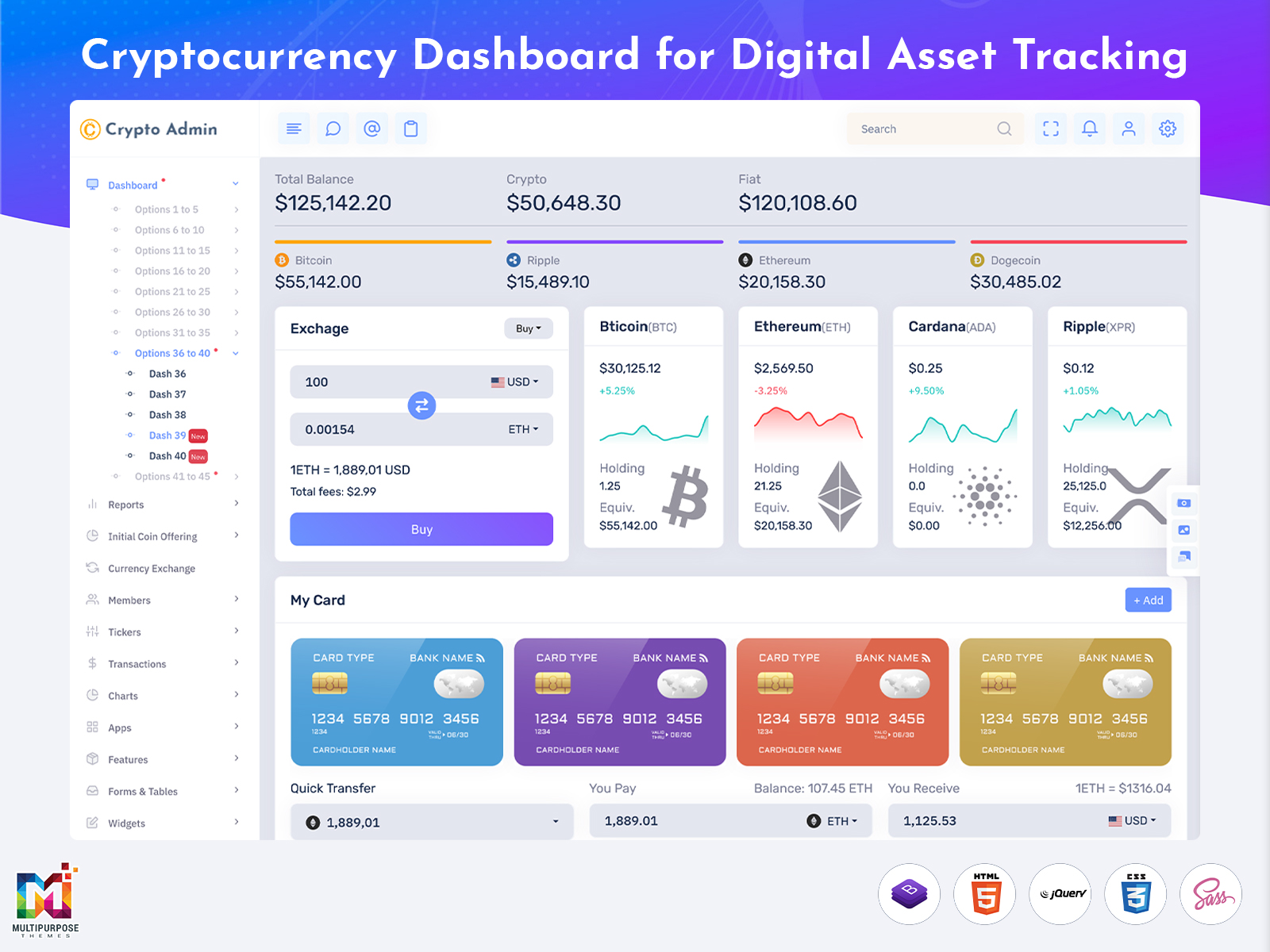
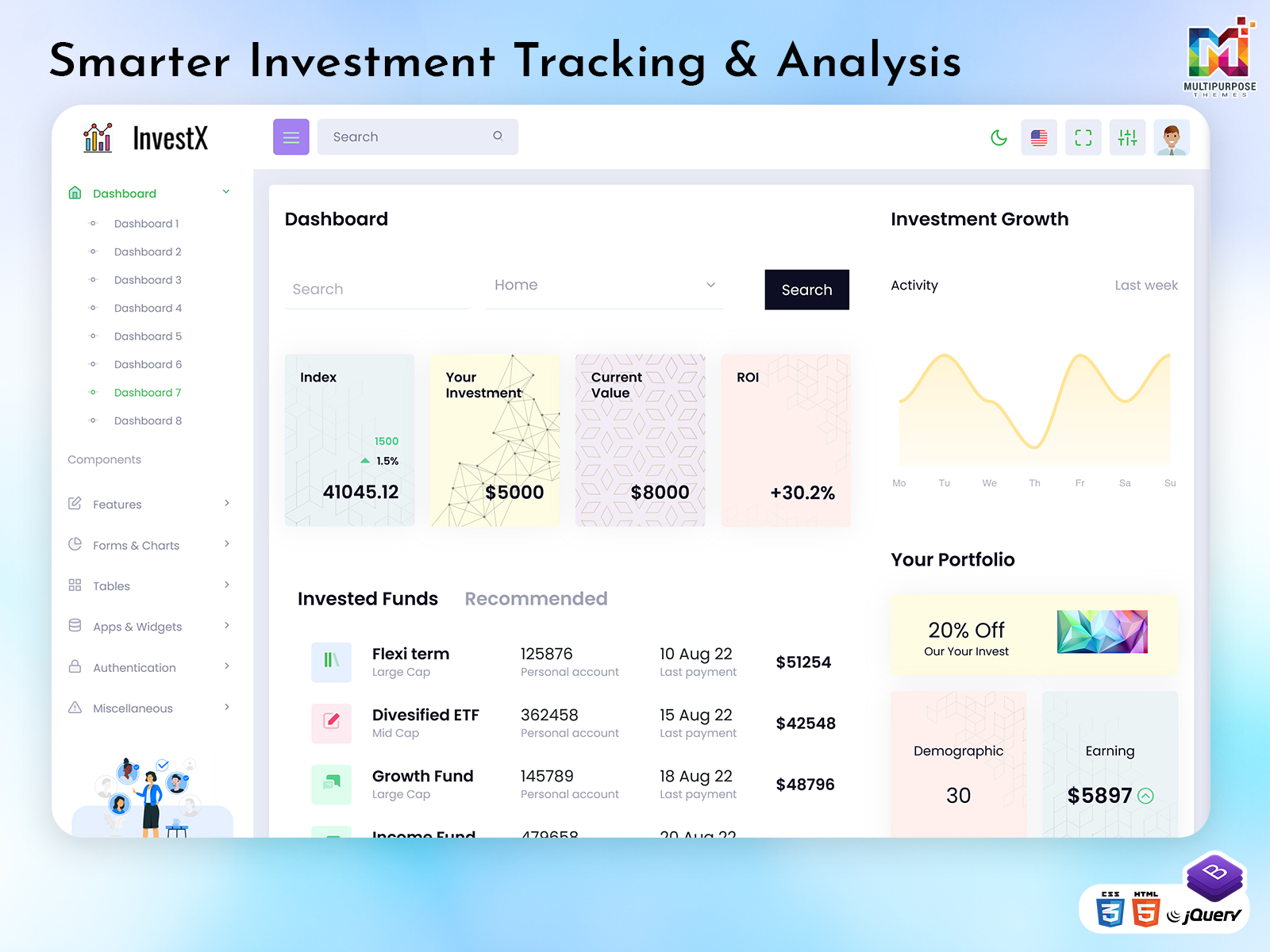
This is where an Investment dashboard can become useful. Rather than treating every investment as…
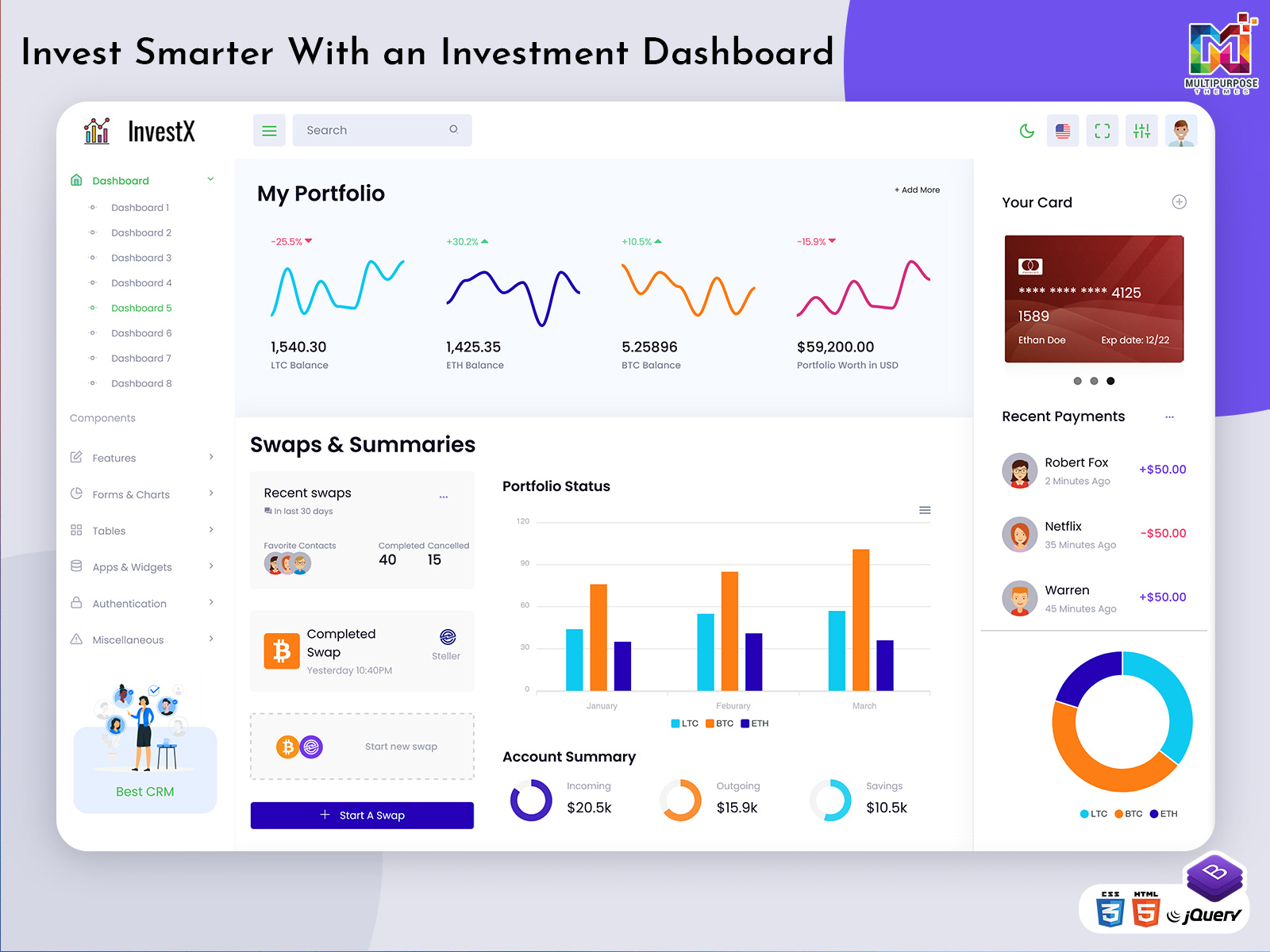
Investment Dashboard: A Smarter Way to Invest and Monitor Your Investments
Reading Time: 7 minutes
What is an Investment Dashboard?
An Investment Dashboard is a digital interface that helps users monitor and understand investment-related information from a central location. It can bring together portfolio values, investment performance, asset information, returns, and other relevant financial data so users do not have to depend on multiple spreadsheets or separate records.
For investors managing different types of assets, having one organized view can make portfolio monitoring easier. A Financial Analytics Dashboard can provide a broader understanding of financial information, while an Asset Management Dashboard can help users keep track of assets held across different categories.
An Investment Dashboard can also support investment planning. Instead of looking at an individual investment in isolation, users can review how different assets contribute to the overall portfolio. This wider view can help them understand their financial position and identify areas that may need closer attention.
Watch Full Video
How an Investment Dashboard Simplifies Investment Tracking
An Investment Dashboard can be thought of as a personal financial observation point. Its purpose is not to tell investors what they should buy or sell. Instead, it gives them an organized way to understand information that already exists within their portfolio.
This distinction is important because investment decisions often involve multiple factors. An investor may want to know how an asset has performed, how the portfolio has changed, or how different investments compare with one another. Having relevant information available together makes these questions easier to explore.
For professionals, the dashboard can also improve the way financial information is communicated. A wealth manager, for example, may need to explain portfolio movement to a client. A clear interface can make complex information easier to discuss without forcing the client to work through lengthy financial statements.
An Investment Dashboard can therefore become part of a regular financial routine. Investors may use it when reviewing monthly performance, checking portfolio changes, preparing for financial discussions, or simply staying aware of where their money is positioned.
Features of Investment Dashboard
1. Portfolio Overview
An Investment Dashboard provides a central view of important portfolio information, allowing users to understand their overall investment position more easily. Instead of reviewing separate records, investors can access essential figures together, making routine portfolio checks faster, clearer, and more convenient.
2. Financial Performance Monitoring
A Financial Performance Dashboard helps users review how their financial position changes over time. By presenting relevant performance information in an organized manner, it becomes easier to compare periods, understand movement, and identify areas that deserve additional attention during regular investment reviews.
3. Asset Organization
An Asset Management Dashboard can organize information related to different investments and asset categories within one interface. This gives users a broader understanding of how their holdings are distributed and makes it easier to maintain an organized view as the size of their portfolio increases.
4. Investment Return Visibility
Investment returns are important when reviewing portfolio progress. A dashboard can present return-related information in a clear format so users can understand how investments have changed. This reduces the need to manually calculate or collect figures every time they review their investment position.
5. Historical Information
Investment decisions are rarely based only on today’s numbers. An Investment Dashboard can make historical information easier to review, helping users compare previous and current results. Looking at changes over different periods can provide useful context when evaluating how a portfolio has developed.
6. Centralized Financial Information
Investors often maintain information across spreadsheets, applications, statements, and other records. A dashboard can bring relevant information into one organized workspace. This reduces the effort involved in searching through different sources and creates a more convenient environment for reviewing important financial details.
7. Investment Tracking
Investment Tracking Software can make regular portfolio monitoring more systematic. Instead of relying entirely on manual records, users can have a structured environment for following their investments. This can be particularly useful for investors who manage multiple holdings and want a consistent way to review them.
VIEW DEMO BUY NOW
Making Portfolio Reviews More Meaningful
The usefulness of an Investment Dashboard becomes more visible when investors have to monitor several financial decisions at once. A portfolio may include investments with different objectives, time periods, and levels of exposure. Looking at each one separately may provide information, but it does not always provide context.
A dashboard can help create that context by putting relevant information within the same visual environment. For example, an investor reviewing portfolio performance may also want to understand how assets are distributed. Seeing these areas together can encourage a more complete review instead of focusing on a single number.
It can also improve financial organization. Investors who regularly record transactions or review performance may find it easier to maintain consistency when information is presented through a structured interface. This can reduce confusion and make financial reviews feel more manageable.
Another advantage is accessibility. A dashboard can give users a quick starting point when they want to understand their portfolio. Rather than opening several documents before beginning a review, they can start from a centralized view and explore the information that matters most to them.

VIEW DEMO BUY NOW
Benefits of Investment Dashboard
1. Saves Monitoring Time
An Investment Dashboard reduces the need to check different sources every time investors want to review their portfolio. Important information can be organized within one interface, allowing users to complete routine checks faster and spend more time understanding their financial position.
2. Improves Portfolio Awareness
Having investment information presented together gives investors a clearer picture of their holdings. They can understand how their portfolio is positioned instead of focusing on individual investments alone. Better visibility can encourage more regular and organized financial reviews.
3. Supports Better Financial Planning
Investment information becomes more useful when it can be reviewed over time. An Investment Dashboard gives users a structured way to understand financial movement, compare previous results, and use that information as one part of their broader financial planning process.
4. Reduces Manual Record Keeping
Managing investment information manually can become difficult when the number of holdings increases. A dashboard provides a more organized environment for tracking relevant information. This can reduce repetitive work and make it easier to maintain consistent records for regular portfolio monitoring.
5. Makes Financial Information Easier to Understand
Financial information can appear complicated when it is spread across different statements and documents. A well-arranged dashboard presents important information in a more approachable format. This helps users review their portfolio without spending unnecessary time searching through lengthy financial records.
6. Helps Compare Investment Progress
Investors often want to understand whether their portfolio is moving in the desired direction. A dashboard can make comparisons between different periods easier, giving users additional context when reviewing performance and helping them recognize changes that might otherwise be overlooked.
7. Encourages Regular Portfolio Reviews
A convenient dashboard can make investors more likely to review their financial information regularly. Consistent monitoring does not guarantee better investment outcomes, but it can help users remain aware of portfolio changes and maintain better organization around their investment activities.
Investment Dashboard vs. Traditional Investment Tracking
Traditional investment tracking often depends on spreadsheets, statements, notebooks, or separate financial applications. These methods can work for small portfolios, but they may become harder to maintain as investment activity increases.
An Investment Dashboard offers a more centralized approach. Instead of manually checking multiple records, users can have a dedicated interface for reviewing important information. This does not eliminate the need for proper financial records, but it can make the review process more organized.
The biggest difference is convenience. Traditional methods may require users to prepare information before they can understand it, while a dashboard is designed to make important information easier to access and interpret.
Conclusion
An Investment Dashboard provides a practical way to organize and understand investment information. It can bring portfolio data, asset details, performance information, and historical records into a single workspace, making regular financial monitoring more convenient.
Whether users need a Financial Analytics Dashboard, Asset Management Dashboard, Investment Tracking Software, or Financial Performance Dashboard, the main objective should remain the same: make important financial information easier to access and understand.
A good investment dashboard should not overwhelm users with unnecessary information. Instead, it should present meaningful data in a clear structure that supports regular reviews and informed financial discussions. As investment portfolios become more diverse, having an organized digital view can make portfolio management more efficient and easier to follow.
VIEW DEMO BUY NOW
Frequently Asked Questions
1. What is an Investment Dashboard used for?
A Multi Purpose Themes Investment Dashboard is used to organize and monitor investment-related information in one place. It can help users review portfolio performance, asset information, returns, and historical changes without checking multiple records separately. It is useful for individual investors, financial advisors, wealth managers, and businesses that need a convenient way to review financial information regularly.
2. Can an Investment Dashboard track different types of assets?
Yes. A Multi Purpose Themes Investment Dashboard can be designed to present information from different asset categories within one interface. An Asset Management Dashboard can be particularly useful for users who need a broader view of their holdings. The exact information displayed depends on the dashboard structure and the requirements of the individual investor or organization.
3. Is Investment Tracking Software useful for beginners?
Investment Tracking Software can be useful for beginners because it can make portfolio information easier to organize and review. Beginners may find it helpful to have their investment information presented in a structured format rather than maintaining multiple manual records. However, tracking software provides information and organization; it should not be treated as a replacement for professional financial advice.
4. What information should an Investment Dashboard include?
The information depends on the user’s investment requirements. A practical dashboard may include portfolio-related figures, asset information, performance data, returns, historical comparisons, and other relevant financial details. The goal should be to include information that helps users understand their portfolio without making the interface unnecessarily crowded or difficult to follow.
5. How does a Financial Performance Dashboard help investors?
A Financial Performance Dashboard can make it easier to review changes in financial performance over selected periods. Users can use the information as part of their regular portfolio review process. It provides a structured view of performance and can help investors identify areas that require closer examination or further financial analysis.
6. Can an Investment Dashboard be used by financial advisors?
Yes. Financial advisors can use a Multi Purpose Themes Investment Dashboard as a convenient way to organize and review client portfolio information. It can also support discussions during portfolio meetings by providing a clear reference point. Advisors can use the dashboard alongside their normal financial analysis, records, and professional recommendations.
7. Can Multi Purpose Themes be considered for an Investment Dashboard project?
Yes, Multi Purpose Themes can be considered when a project requires a ready-made dashboard interface as a starting point. It can reduce the amount of basic interface work needed during development. Before choosing any dashboard template, users should check whether its design, structure, customization possibilities, and technical requirements match the needs of their investment-related project.

Related Posts