

Educational institutions today require efficient digital solutions to manage academic activities, student records, faculty operations,…
School Dashboard Systems Transforming Modern Learning in 2026
Reading Time: 9 minutes
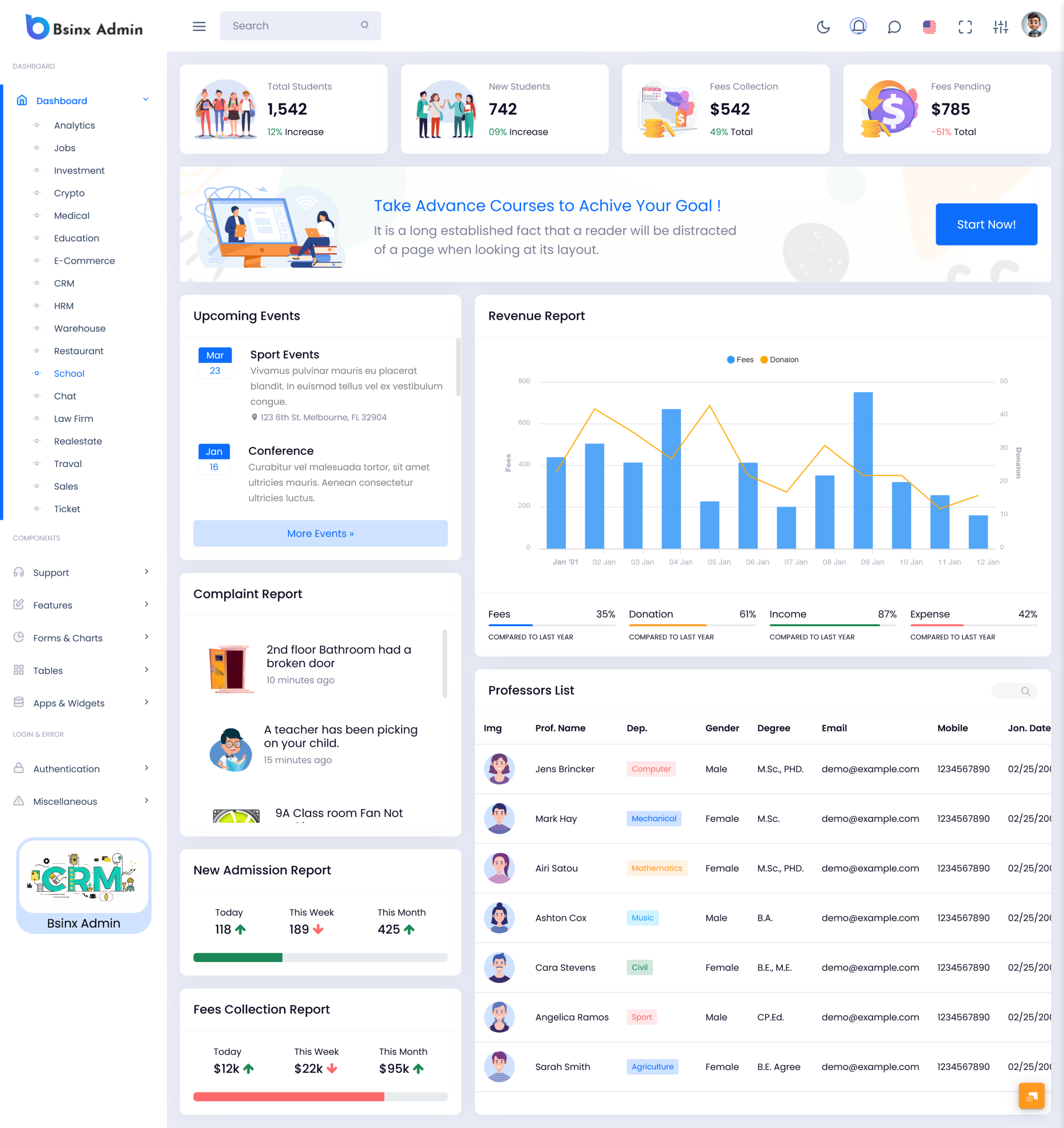
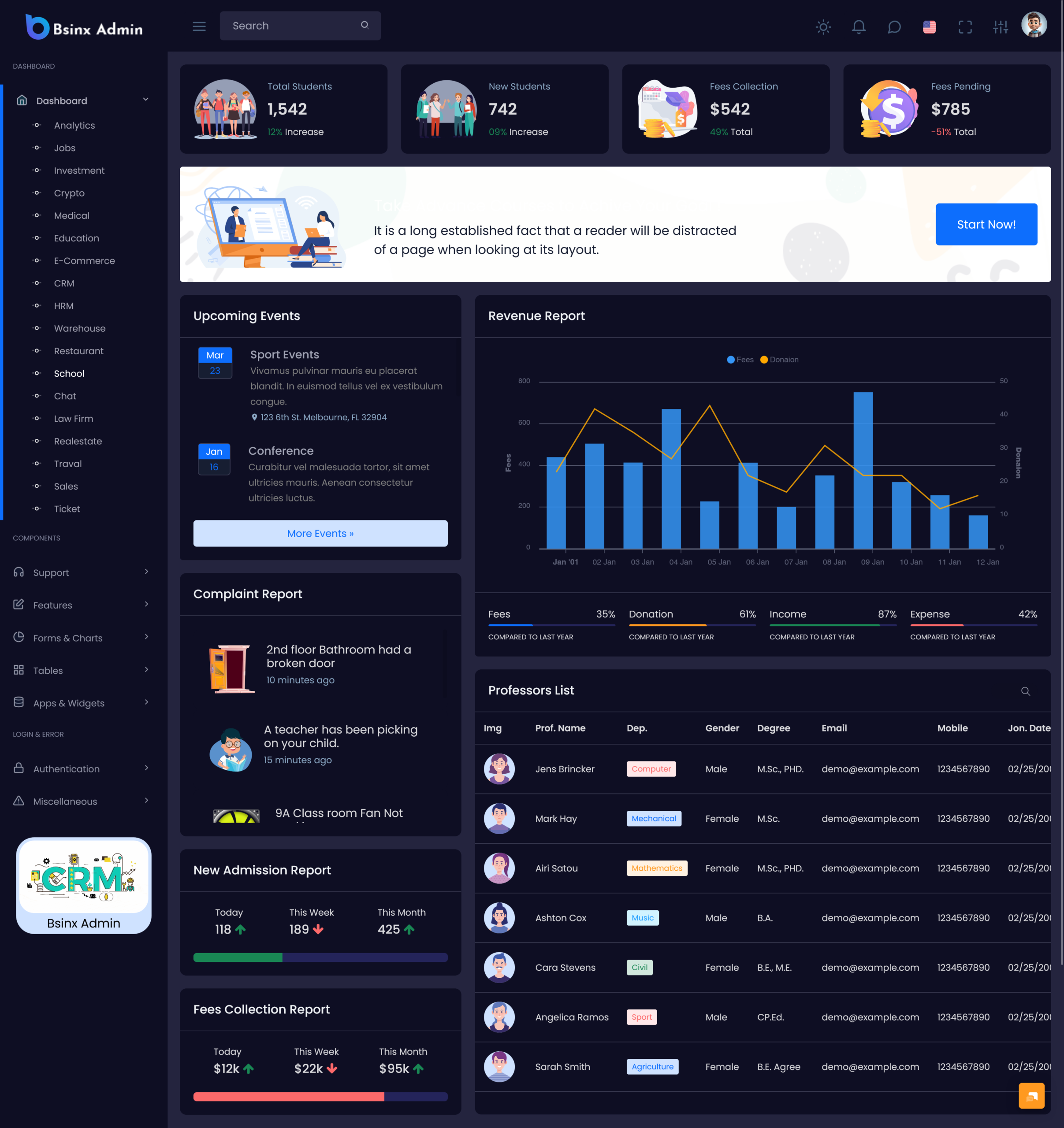
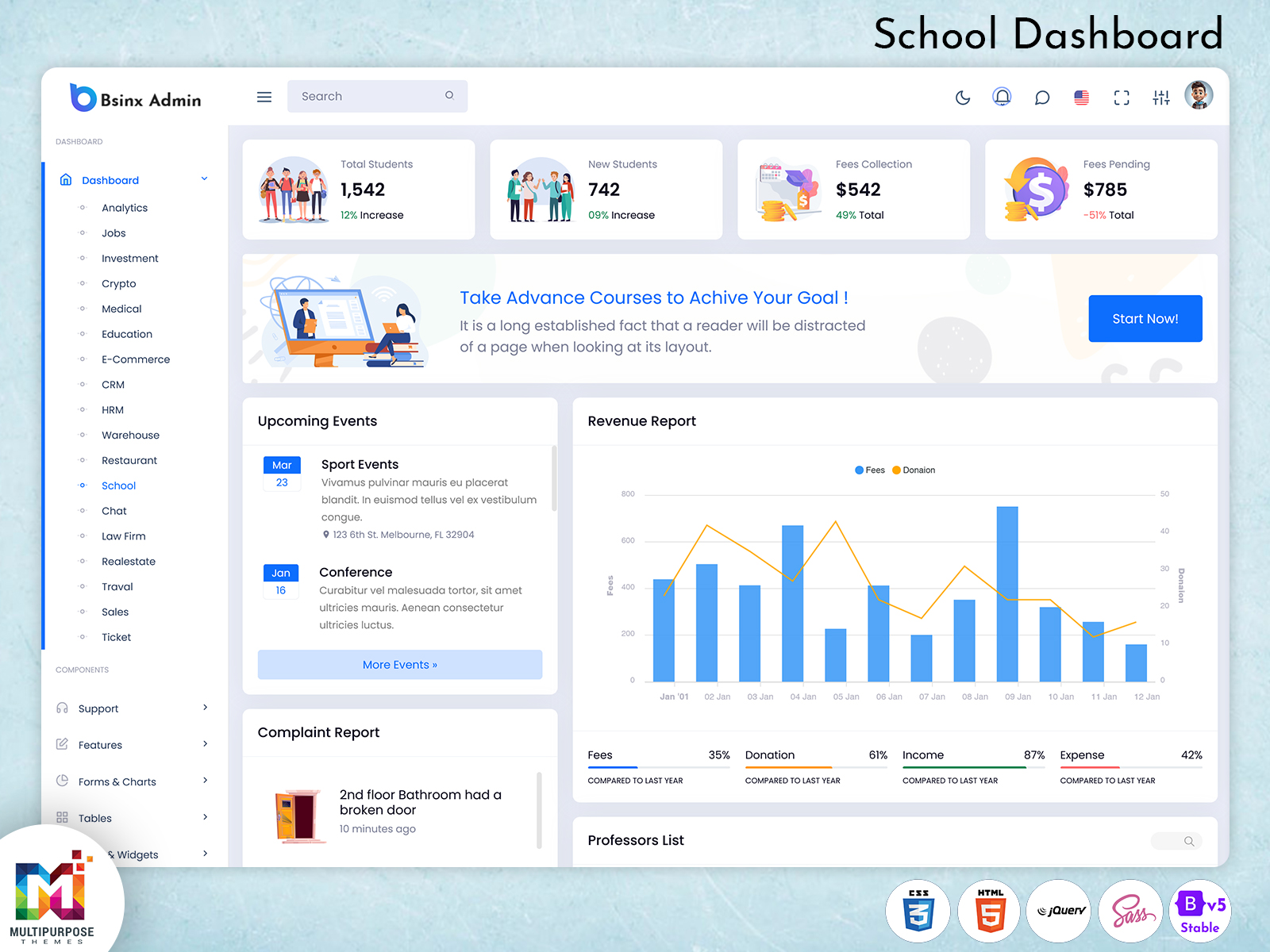
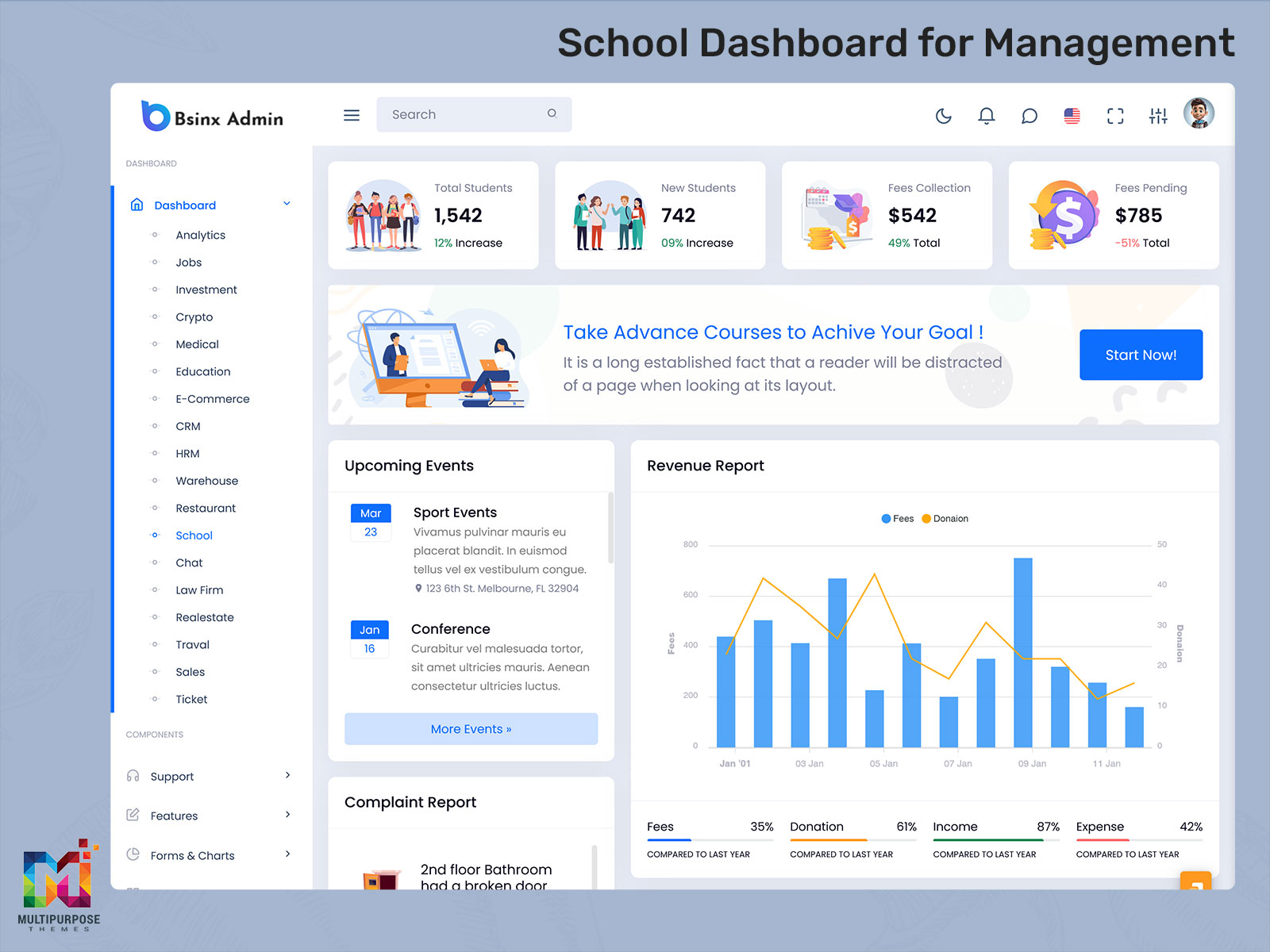
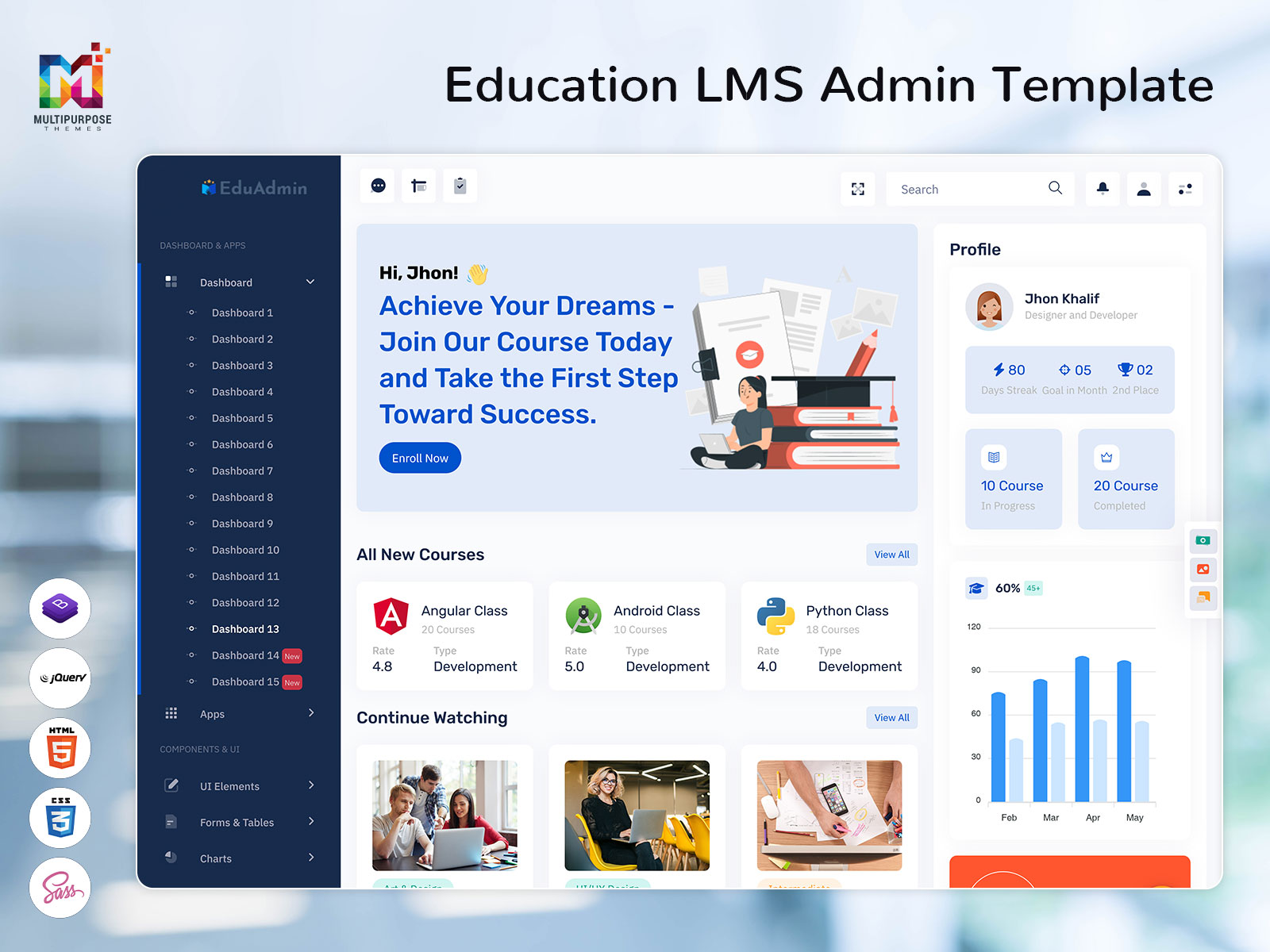
Educational institutions are embracing digital technology to improve learning experiences and streamline administrative activities. A School Dashboard provides a centralized environment where management teams can access important academic, operational, and financial information without navigating multiple systems. From student enrollment statistics to faculty records and performance insights, dashboard-based platforms help educational organizations maintain better visibility across daily operations.
Watch Full Video
Modern solutions such as Education Software, Education Management System platforms, Education Dashboard Templates, and Online Learning Management Systems are helping schools operate more efficiently. These tools support structured data management, simplified reporting, and improved decision-making. With features available through Education WebApps, Learning Apps, LMS Software Dashboards, and Online Education Dashboard Templates, institutions can monitor progress, organize resources, and create a more connected educational ecosystem that supports both academic development and administrative excellence.
Explore School Dashboard
A School Dashboard serves as a centralized platform that helps educational institutions manage important academic and administrative activities from a single location. Instead of relying on separate systems for different tasks, schools can access enrollment information, faculty records, financial updates, course management tools, and performance reports through one organized interface. This approach improves visibility and allows administrators to monitor institutional operations more effectively.
Modern solutions often combine capabilities found in an Education Management System, Education Software Dashboard, Education WebApp, and LMS Dashboard. These platforms help schools organize information, improve workflow efficiency, and support data-driven decision-making. Through structured layouts, visual reporting tools, and user-friendly navigation, School Dashboard systems create a more connected educational environment. As learning continues to evolve in 2026, these digital platforms play an important role in supporting operational excellence and academic development.
Total Students and New Student Enrollment Tracking Dashboard
Monitoring student enrollment is an essential part of educational management. A dedicated dashboard section for total students and new admissions provides administrators with a clear overview of institutional growth and registration trends. By displaying updated enrollment figures in real time, schools can better understand student intake patterns, evaluate admission performance, and plan resources more effectively throughout the academic year.
Modern platforms such as a Student Data Dashboard, Education Dashboard Template, and Education Software Dashboard make enrollment tracking more organized and accessible. Administrators can review demographic information, monitor admission progress, analyze registration statistics, and generate useful reports through a centralized interface. These insights help educational institutions make informed planning decisions while supporting better capacity management. With accurate enrollment visibility, schools can improve operational preparedness and create a more structured learning environment for current and future students.
VIEW DEMO BUY NOW
Student Fees Data Dashboard for Fees Collection and Pending Payments
Managing educational finances requires accurate monitoring of fee transactions and outstanding balances. A Student Fees Data Dashboard provides a centralized view of collected payments, pending dues, and overall fee performance across the institution. This allows administrators to maintain better financial visibility while reducing the complexity of handling large volumes of payment records through manual processes.
Integrated within an Education Admin Dashboard Template, Education Management System, and Education Software platform, this dashboard helps institutions track payment status in real time. Administrators can review collection trends, identify overdue accounts, monitor revenue flow, and generate financial summaries through an organized interface. Visual reporting tools and Education Charts make financial information easier to interpret, supporting more effective planning and resource allocation. With improved transparency and accessibility, schools can strengthen financial management while maintaining smoother administrative operations.
Education Course Dashboard for Learning Progress Management
An Education Course Dashboard helps educational institutions monitor learning activities, course performance, and student progress through a centralized platform. It provides a structured view of ongoing programs, completed modules, learning milestones, and educational outcomes. By organizing important course-related information in one place, administrators and educators can gain better visibility into academic development and curriculum effectiveness.
Modern solutions such as a Learning Course Dashboard, Education LMS Dashboard Template, Learning App Dashboard, and LMS Software Dashboard support efficient course management through real-time tracking and reporting tools. Educators can review participation levels, evaluate completion rates, and monitor learner engagement across different subjects or training programs. These insights help institutions improve instructional planning while ensuring learners remain on track toward educational objectives. With better progress monitoring capabilities, schools can create a more organized and outcome-focused learning environment.
Key Features of Modern Education Dashboard Templates
Modern Education Dashboard Templates are designed to simplify academic management while providing better visibility across educational operations. These platforms combine reporting tools, management modules, and analytical features into a centralized environment that supports administrators, educators, and institutional leadership. Through organized interfaces and responsive designs, educational institutions can manage information more efficiently while improving operational performance.
1. Student Data Dashboard Management
A Student Data Dashboard provides quick access to enrollment records, attendance information, academic history, and learner profiles. This helps institutions maintain accurate student information and improve administrative efficiency.
2. Interactive Education Charts and Analytics
Education Charts transform complex academic information into easy-to-understand visual reports. Administrators can evaluate trends, monitor institutional performance, and make informed decisions through data-driven insights.
3. Learning Management System Integration
An Education LMS Dashboard Template connects learning activities, course content, assessments, and learner progress into a unified platform. This improves academic coordination and supports effective learning management.
4. Responsive Education WebApp Functionality
Education WebApps provide seamless access across desktops, tablets, and mobile devices. Responsive interfaces improve accessibility and ensure a consistent user experience for all stakeholders.
5. Advanced Reporting and Administrative Controls
Education Admin Dashboard Templates offer reporting tools, operational summaries, user management functions, and monitoring capabilities that help institutions maintain organized and efficient workflows.
VIEW DEMO BUY NOW
Take Advanced Courses to Achieve Academic and Career Goals
Advanced learning opportunities help students develop specialized knowledge, strengthen practical abilities, and prepare for future career paths. Educational institutions increasingly offer advanced programs that allow learners to explore subjects beyond standard classroom requirements. These courses support skill development, encourage continuous learning, and help students gain a deeper understanding of specific academic disciplines or professional fields.
Modern platforms such as Online Learning Apps, Online Education Courses Dashboards, Learning Courses Software, and Online Learning Management Systems make advanced education more accessible and organized. Learners can explore course materials, track achievements, review milestones, and monitor their educational journey through centralized digital environments. Institutions can also evaluate participation levels and learning outcomes more effectively. By providing structured access to higher-level learning opportunities, schools create pathways that support both academic advancement and long-term professional growth.
Upcoming Events and Conference Management Through Education Dashboards
Educational institutions regularly organize seminars, workshops, conferences, competitions, and academic gatherings that require careful planning and coordination. Managing these activities through traditional methods can be challenging when multiple schedules, participants, and resources are involved. Education Dashboards provide a centralized platform where administrators can organize event-related information and maintain better visibility across upcoming activities.
Modern solutions such as Education WebApps, Education Dashboard Templates, Online Education WebApp Dashboards, and Education Management Systems help institutions manage event calendars, registration details, venue schedules, speaker information, and participation records. Administrators can track important dates, send updates, and monitor event progress through a single interface. This organized approach improves communication, reduces scheduling conflicts, and supports smoother execution of educational programs. As a result, schools can deliver well-coordinated academic events that enhance learning opportunities and institutional engagement.
How an Education Admin Panel Simplifies School Operations
An Education Admin Panel provides a centralized workspace that helps schools manage daily operations more efficiently. Instead of handling information through multiple disconnected systems, administrators can access academic records, financial details, scheduling information, faculty data, and operational reports from one organized platform. This streamlined approach improves coordination and helps educational institutions maintain better control over routine activities.
Modern solutions such as an Education Admin Dashboard Template, Modern Education Admin Template, Education Bootstrap 5 Admin Dashboard, and Education Admin UI Framework simplify complex management processes through structured interfaces and automated workflows. Administrators can oversee admissions, attendance records, communication updates, timetable management, and institutional reporting with greater accuracy. These capabilities reduce administrative workload while improving operational transparency. By creating a more organized management environment, schools can focus on delivering quality education while maintaining efficient institutional operations.
Advantages of School Dashboard Systems
School Dashboard Systems help educational institutions manage information more effectively while improving operational efficiency and academic visibility. By combining important functions into a centralized platform, these solutions support better administration, communication, and decision-making across different departments. Modern dashboard technologies provide schools with the tools needed to manage educational activities in a more organized and data-driven manner.
1. Centralized Information Access
A School Dashboard brings academic, administrative, and financial information together in one location. This allows users to access important records quickly without switching between multiple systems or databases.
2. Improved Academic Monitoring
Institutions can track learning activities, enrollment trends, course progress, and educational performance through structured reporting tools. This helps administrators maintain better oversight of academic operations.
3. More Efficient Administrative Processes
Automated workflows and organized management features reduce manual tasks and simplify routine operations. This improves productivity and allows staff members to focus on higher-value responsibilities.
4. Better Financial Visibility
Dashboard reporting tools help schools monitor fee collections, pending payments, revenue trends, and financial performance through clear and accessible summaries.
5. Enhanced Decision-Making Capabilities
Real-time analytics, visual reports, and performance insights help educational leaders make informed decisions that support institutional growth, operational improvement, and long-term success.
Staff Data Page and Faculty Management Dashboard
Managing faculty information effectively is essential for maintaining smooth educational operations. A Staff Data Page provides a centralized location where institutions can organize employee records, professional details, departmental assignments, schedules, and administrative information. This structured approach helps educational organizations maintain accurate records while improving accessibility for authorized users and management teams.
Modern solutions such as Faculty Management Dashboards, Education Software Dashboards, Education Dashboard Templates, and Education Web Application Kits help schools monitor workforce-related activities more efficiently. Administrators can review staffing information, track responsibilities, manage workload distribution, and maintain organized personnel records through a unified platform. These systems also support better planning and resource allocation by providing valuable insights into faculty operations. With improved visibility and organized management tools, institutions can strengthen workforce administration while supporting a productive educational environment.
Professor Dashboard for Academic Performance Monitoring
A Professor Dashboard provides educators with a dedicated platform for monitoring academic activities, classroom performance, and teaching-related responsibilities. It helps professors access important information through a centralized interface, allowing them to manage educational tasks more efficiently. By bringing relevant data together in one place, institutions can support better instructional oversight and improve overall academic management.
Modern Professor Dashboard solutions integrate with Learning Software, Education LMS Dashboard Templates, Online Education Management Systems, and Learning WebApps to provide valuable teaching insights. Professors can review course activities, monitor learner participation, evaluate assessment outcomes, and track educational progress through organized reporting tools. These capabilities help educators identify learning trends and make informed academic decisions. With access to structured performance data, faculty members can enhance instructional effectiveness while supporting improved educational outcomes across different programs and learning environments.
Conclusion
School Dashboard Systems are transforming the way educational institutions manage academic activities, administrative operations, financial processes, and learning programs. By bringing important information into a centralized digital environment, these platforms help schools improve organization, increase operational visibility, and support more effective decision-making. From enrollment tracking and fee management to faculty administration and course monitoring, dashboard-based solutions simplify many essential institutional functions.
Modern technologies such as Education Software Dashboards, Education Management Systems, Learning Applications, Education WebApps, and Online Education Dashboard Templates continue to play a significant role in educational transformation. Their ability to provide real-time insights, structured reporting, and efficient management tools helps institutions operate with greater accuracy and productivity. As schools continue adopting digital-first strategies in 2026, School Dashboard Systems remain valuable solutions for supporting academic excellence, administrative efficiency, and long-term educational growth.
FAQs
1. What is a school management system?
A school management system is software that helps schools manage attendance, fees, exams, student records, and daily administrative tasks from one platform. MultiPurpose Themes offers dashboard templates designed for educational management systems.
2. Which is the best school management software?
The best school management software depends on your requirements, but it should include student management, attendance tracking, fee collection, reporting, and communication tools. MultiPurpose Themes provides dashboard solutions that support these features.
3. How do schools track student attendance?
Schools track attendance using digital dashboards and management software that record daily attendance and generate reports automatically. MultiPurpose Themes offers education dashboard templates with attendance tracking capabilities.
4. How can schools manage student fees online?
Schools use fee management systems to collect payments, track pending dues, generate receipts, and monitor financial records. MultiPurpose Themes provides dashboard templates that support fee management workflows.
5. What features should a school management system have?
A school management system should include student records, attendance management, fee tracking, examination reports, timetable management, and analytics dashboards. MultiPurpose Themes designs templates with these core features.
6. How do schools manage student records digitally?
Schools use school management software to store academic records, attendance, grades, and personal information securely. MultiPurpose Themes provides dashboard interfaces that simplify student data management.
7. Can school management software improve administrative efficiency?
Yes, it automates routine tasks such as attendance, reporting, admissions, fee tracking, and communication, helping institutions save time and reduce manual work. MultiPurpose Themes dashboard solutions are built to improve operational efficiency.
8. What is the difference between LMS and school management software?
A Learning Management System (LMS) focuses on online learning and course delivery, while school management software handles administration, attendance, fees, and student records. MultiPurpose Themes offers dashboard templates for both types of systems.
9. Why do schools use dashboard software?
Schools use dashboard software to monitor academic performance, attendance, finances, and administrative activities through visual reports and real-time analytics. MultiPurpose Themes provides modern education dashboard designs for these needs.
10. Is school management software useful for small schools?
Yes, small schools use management software to organize records, automate tasks, improve communication, and reduce paperwork. MultiPurpose Themes offers scalable dashboard templates suitable for institutions of all sizes.

Related Posts


This Post Has 0 Comments