

The world is rapidly shifting towards clean and renewable energy, with solar power playing a…
Solar Charging Dashboard 2026: Smart Control for Smarter Solar Energy
Reading Time: 6 minutes
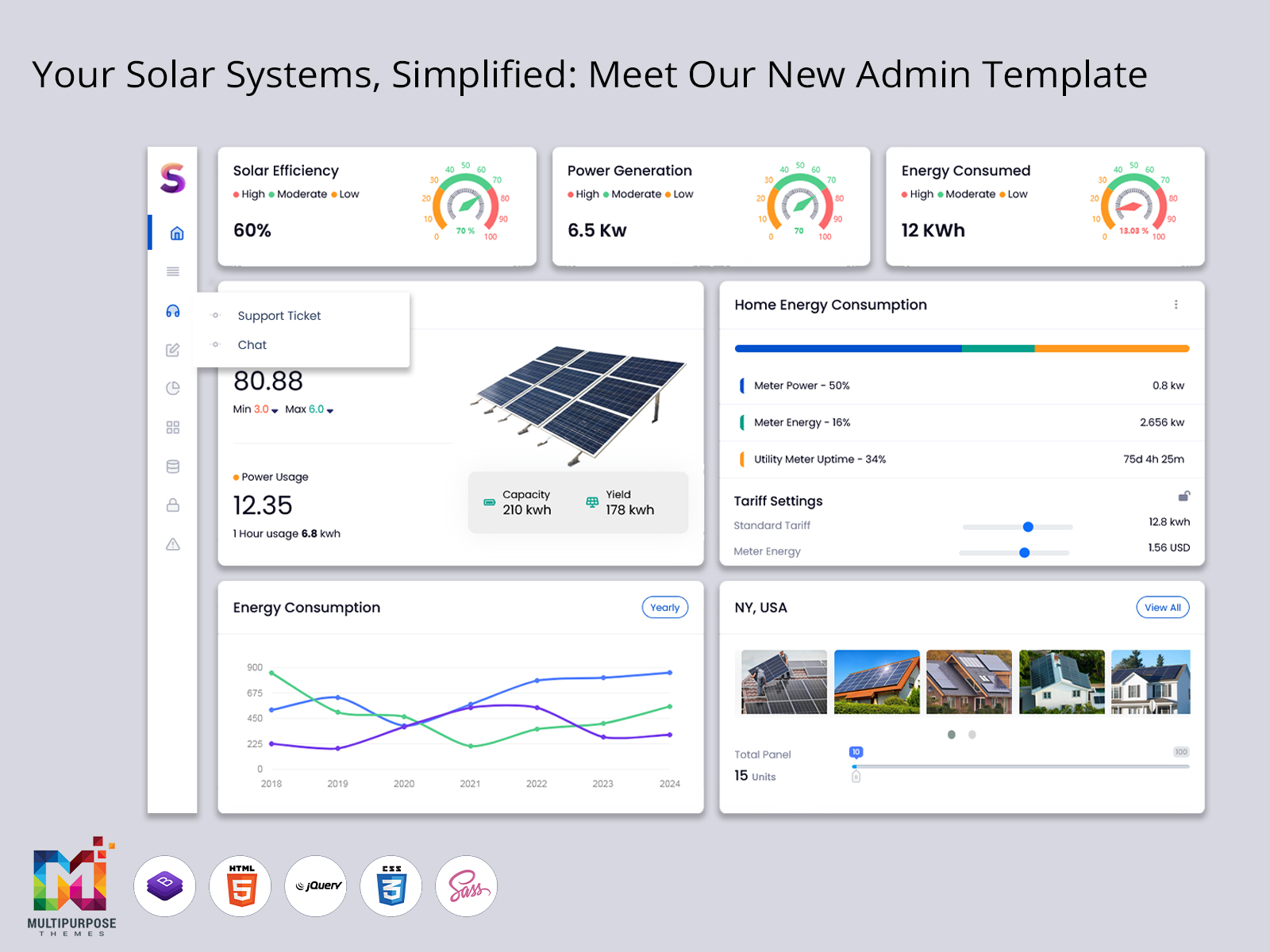
In 2026, solar energy is no longer just an alternative power source. It has become a core part of how businesses, industries, farms, and even homes manage their daily operations. As solar adoption continues to grow worldwide, the need for intelligent monitoring tools has increased. This is where a powerful Solar Charging Dashboard becomes essential. It is not just a display screen showing numbers. It is a complete energy management system that helps you understand, control, and optimize your solar power setup with confidence.
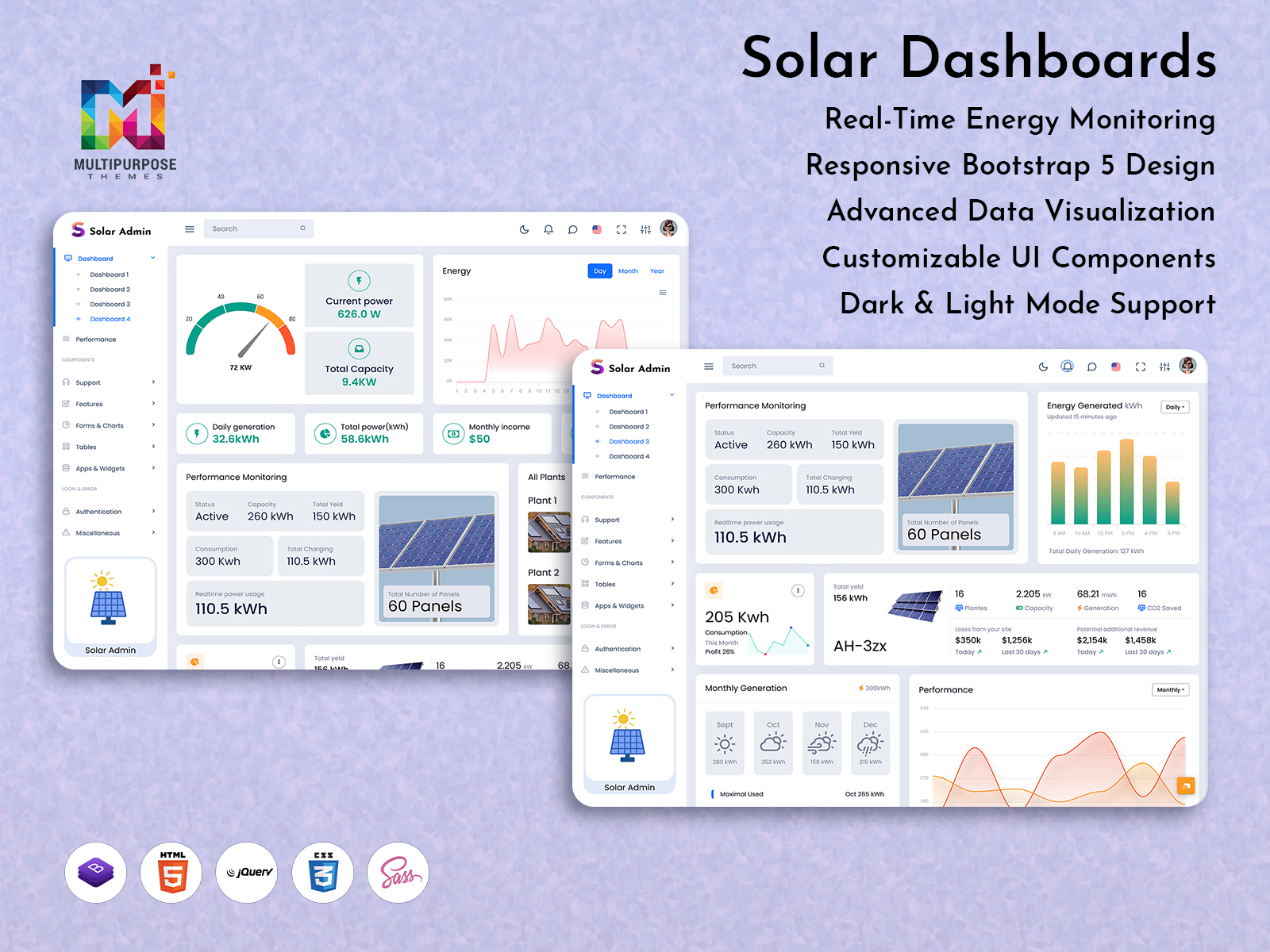
A modern Solar Charging Dashboard gives you real-time insights into energy generation, battery storage, power consumption, and system performance. Instead of guessing how much energy your panels are producing, you can see everything clearly in one place. Whether you operate a small residential solar setup or manage a large commercial installation, a well-designed dashboard helps you make better decisions and reduce unnecessary energy waste.
Watch Video
What is a Solar Charging Dashboard?
A Solar Charging Dashboard is a digital interface that allows you to monitor and manage your solar energy system. Think of it as the brain of your solar setup. It collects data from solar panels, inverters, batteries, and meters, and then presents that data in an easy-to-understand format. In 2026, these dashboards have become more advanced, interactive, and user-friendly than ever before.
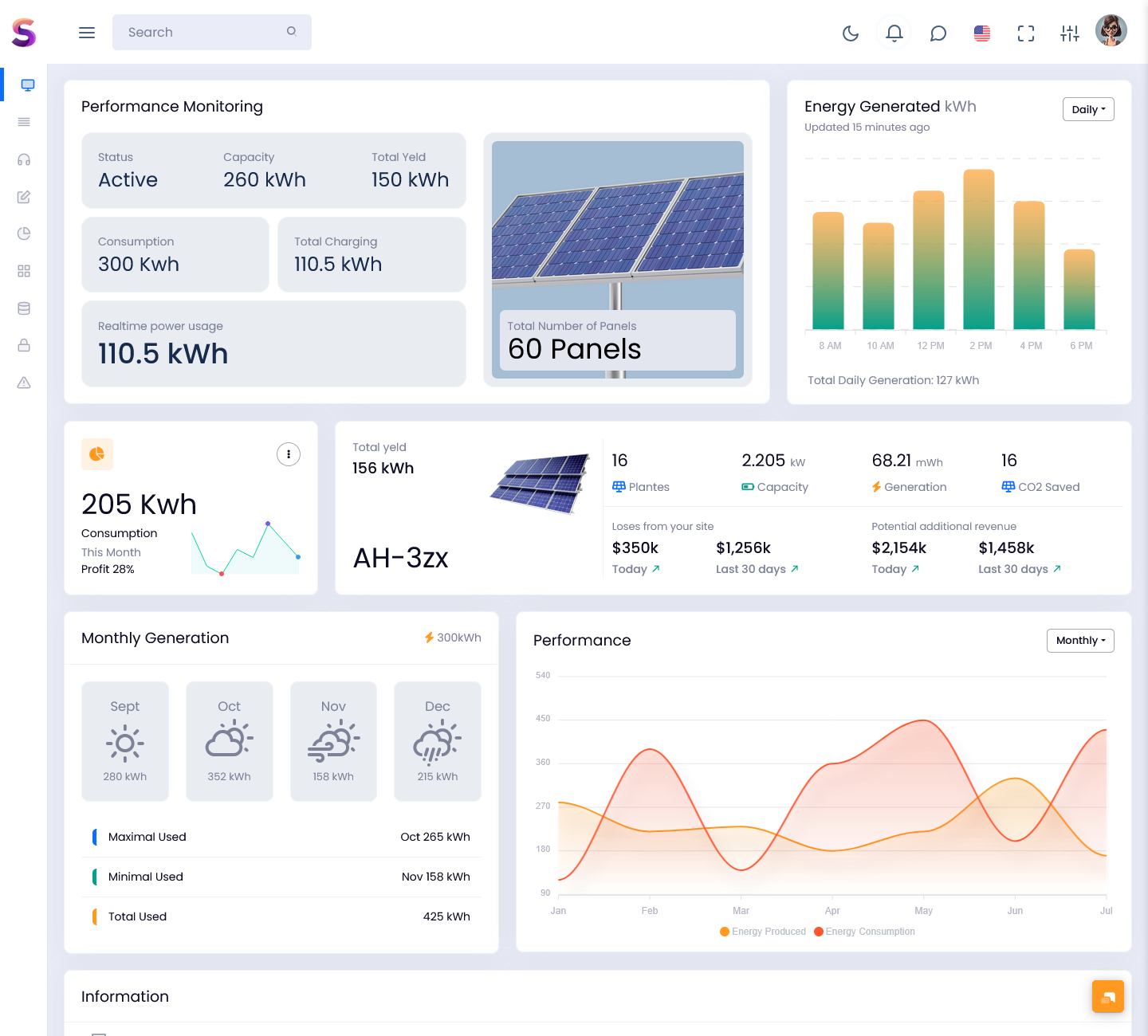
When integrated with a Solar System Dashboard, you get a complete overview of your solar infrastructure. You can check how much power is being generated, how much is being consumed, and how much is being stored for later use. This transparency helps you improve efficiency and avoid unexpected power shortages.
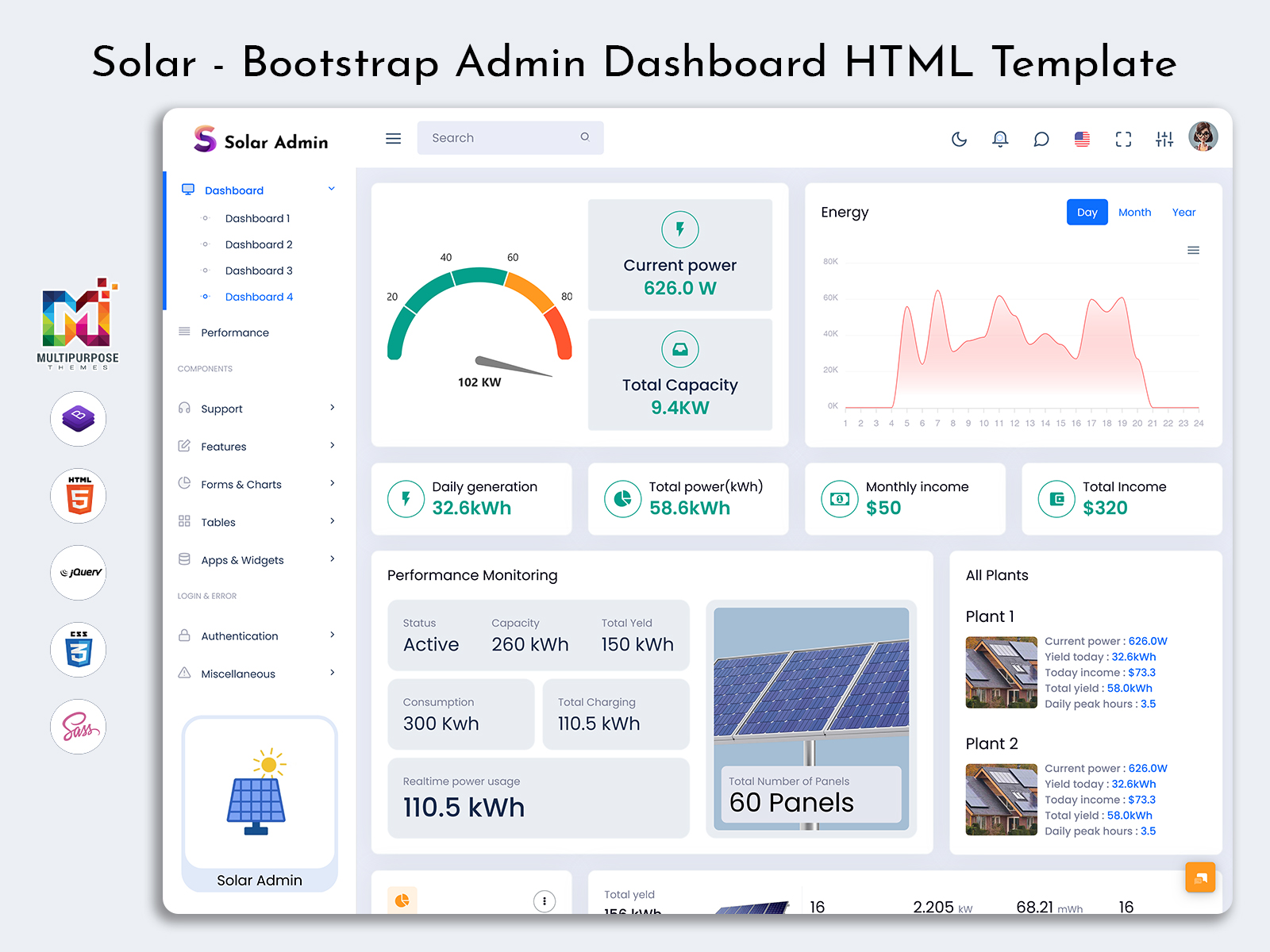
Many systems now also include a Solar Web Dashboard, which allows you to access all this information remotely through a browser. This means you can monitor your solar performance whether you are in the office, at home, or traveling. Real-time updates ensure that you are always informed about your energy situation.
Why Solar Monitoring Matters More in 2026
The year 2026 has brought rapid advancements in renewable energy technology. Solar panels are more efficient, battery storage systems are smarter, and energy demands are higher. With increasing electricity costs and a stronger focus on sustainability, people want complete control over their energy usage.
A Solar Charging Dashboard helps you track every unit of energy produced by your panels. If production drops unexpectedly, you can quickly identify the issue. It may be dust on panels, shading problems, inverter faults, or weather conditions. Without a proper Solar Meter Dashboard, such issues might go unnoticed for weeks, resulting in energy loss and higher costs.
Businesses especially benefit from advanced solar monitoring. Large commercial buildings, factories, and farms depend heavily on uninterrupted power supply. A Solar System Dashboard ensures that managers can track system performance continuously and plan maintenance before problems become serious.
Explore Dashboard
BUY NOW DEMO
BUY NOW DEMO
Core Features of a Modern Solar Charging Dashboard
In 2026, Solar Charging Dashboard solutions are designed to be intelligent and flexible. They offer real-time energy tracking, historical performance reports, battery status monitoring, and weather integration. These features work together to provide a complete picture of your energy ecosystem.
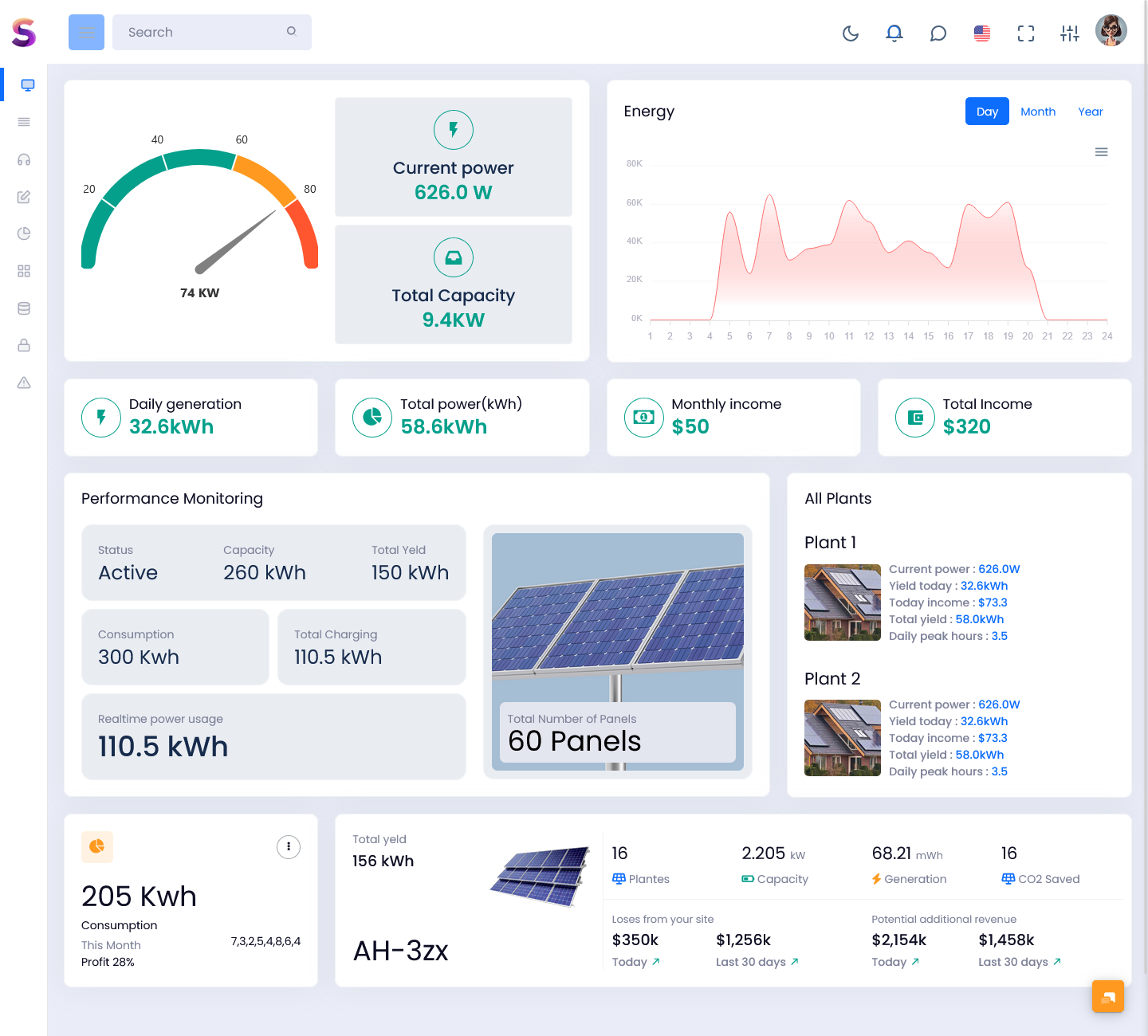
A Solar Meter Dashboard typically displays solar generation in kilowatts, daily production, monthly output, and overall system efficiency. It also shows energy consumption patterns, helping users understand when and how electricity is being used.
A Solar Web Dashboard enhances accessibility by allowing multiple users to log in securely. Administrators can monitor multiple locations from a centralized system. For businesses with several installations, this feature is extremely useful. It eliminates the need for manual data collection and simplifies energy reporting.
The Solar System Dashboard also includes alert notifications. If battery levels drop too low or if panel performance declines, users receive instant updates. This proactive approach prevents downtime and protects equipment from damage.
Benefits for Residential Users
Homeowners in 2026 are increasingly investing in solar power systems to reduce electricity bills and minimize environmental impact. A Solar Charging Dashboard makes this investment even more rewarding. It allows families to see how much they are saving and how much carbon footprint they are reducing.
With a Solar Meter Dashboard, homeowners can track peak production hours and adjust energy usage accordingly. For example, running heavy appliances during high solar output hours reduces dependence on grid electricity. Over time, this leads to significant savings.
A Solar Web Dashboard makes remote monitoring simple. Even when away from home, users can check system performance and ensure everything is running smoothly. This level of control gives peace of mind and builds confidence in renewable energy solutions.
Benefits for Commercial and Industrial Use
For businesses, energy costs directly impact profitability. In 2026, companies are focusing on smart energy management strategies. A Solar Charging Dashboard plays a critical role in this transformation.
Large-scale solar systems generate massive amounts of data. Without a structured Solar System Dashboard, managing this information becomes overwhelming. The dashboard organizes data into visual charts and reports, making it easy to analyze performance trends.
A Solar Meter Dashboard helps facility managers identify inefficiencies. If one section of the installation produces less energy, it can be inspected quickly. This reduces downtime and ensures consistent energy output.
The Solar Web Dashboard supports centralized monitoring across multiple branches or plants. Corporate offices can track energy production from all sites in one unified system. This improves transparency and simplifies sustainability reporting.
Integration with Smart Technologies
Technology in 2026 is highly interconnected. Solar systems are now integrated with smart home devices, IoT sensors, and automated energy management systems. A Solar Charging Dashboard acts as the control center for these connected technologies.
Through the Solar System Dashboard, users can schedule battery charging cycles, automate load distribution, and prioritize essential devices during low production periods. This intelligent automation improves overall system efficiency.
A Solar Web Dashboard allows integration with cloud platforms, enabling data backup and advanced analytics. Machine learning algorithms analyze historical data to predict future performance. This predictive capability helps users plan energy usage more effectively.
Improving Sustainability and Environmental Impact
Environmental awareness has grown significantly in 2026. Individuals and businesses want to measure their sustainability efforts accurately. A Solar Charging Dashboard provides detailed insights into environmental impact.
The Solar Meter Dashboard often includes carbon offset tracking. Users can see how much CO₂ emissions they have reduced by using solar energy. This information is valuable for corporate sustainability reports and personal environmental goals.
With a Solar System Dashboard, long-term performance analysis becomes simple. Users can compare yearly production trends and evaluate system upgrades. This data-driven approach ensures continuous improvement in renewable energy usage.
Enhancing Financial Planning
Solar installations are long-term investments. Monitoring financial performance is just as important as tracking energy output. A Solar Charging Dashboard helps users understand the return on investment clearly.
By analyzing data from the Solar Meter Dashboard, users can calculate savings generated from reduced electricity bills. Businesses can also track how much revenue they save by using solar instead of grid power.
The Solar Web Dashboard simplifies report generation. Monthly and annual performance summaries can be exported easily for financial planning and tax documentation. In 2026, such automation reduces administrative workload significantly.
Scalability and Flexibility
Energy needs change over time. A family may add electric vehicles, or a company may expand operations. A scalable Solar Charging Dashboard adapts to these changes seamlessly.
The Solar System Dashboard supports additional panels, batteries, and inverters without disrupting the existing setup. Users can upgrade their systems while continuing to monitor performance smoothly.
A flexible Solar Web Dashboard ensures compatibility with different devices and operating systems. Whether accessed through a laptop, tablet, or smartphone, the experience remains consistent and reliable.
Security and Data Protection
With digital monitoring systems becoming more common in 2026, data security is a major concern. A modern Solar Charging Dashboard includes strong encryption and secure login systems.
The Solar Web Dashboard uses protected cloud connections to prevent unauthorized access. Multi-user authentication ensures that only authorized personnel can modify system settings.
A secure Solar System Dashboard protects operational data and ensures uninterrupted monitoring. This reliability is especially important for large commercial installations.
The Future of Solar Charging Dashboard Technology
The future of Solar Charging Dashboard solutions looks promising. Artificial intelligence will continue to enhance predictive maintenance and automated optimization. Smart grids will interact directly with dashboards to balance supply and demand efficiently.
As renewable energy adoption expands globally, Solar Meter Dashboard systems will become more advanced and user-friendly. Real-time global energy comparisons and advanced analytics will help users benchmark performance.
The Solar Web Dashboard will evolve into a comprehensive energy management platform, integrating solar, wind, battery storage, and electric vehicle charging into one seamless interface.
Final Thoughts on Solar Charging Dashboard in 2026
In 2026, energy management is smarter, faster, and more data-driven than ever before. A Solar Charging Dashboard is no longer a luxury feature. It is an essential tool for anyone using solar power.
Whether through a detailed Solar Meter Dashboard, an advanced Solar System Dashboard, or a remote-access Solar Web Dashboard, users gain complete control over their renewable energy systems. They can monitor production, reduce costs, improve efficiency, and contribute to a cleaner environment.
As solar technology continues to grow, having a reliable Solar Charging Dashboard ensures that you stay ahead. It transforms raw energy data into clear insights, helping you make confident decisions every day. By adopting modern dashboard solutions, you are not just using solar power. You are mastering it.

Related Posts



This Post Has 0 Comments