

What is a Warehouse Dashboard? A Warehouse Dashboard is a centralized digital interface that helps…
KPI Dashboard: Simplify Warehouse Management
Reading Time: 8 minutes
What is a Warehouse Dashboard?
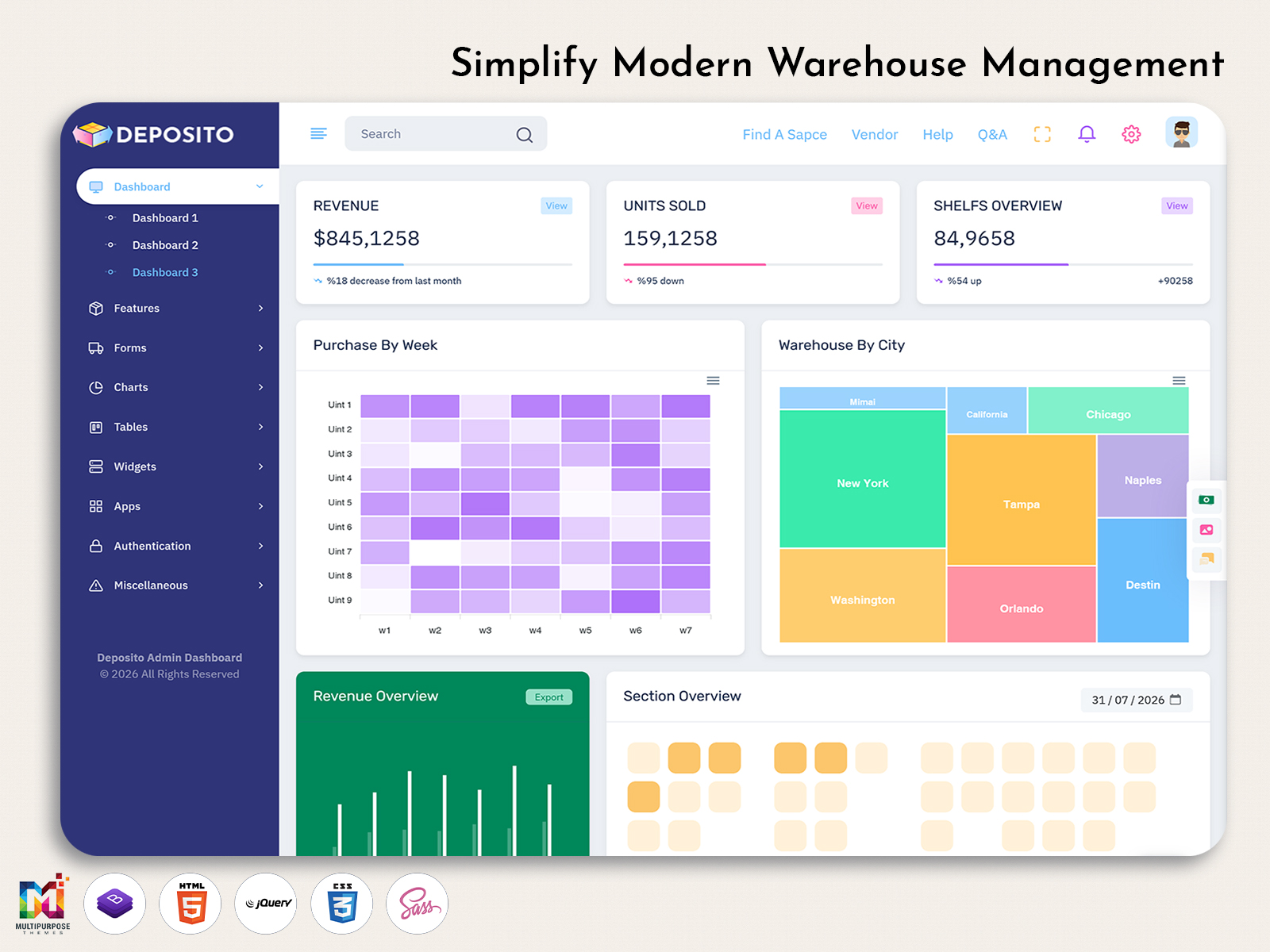
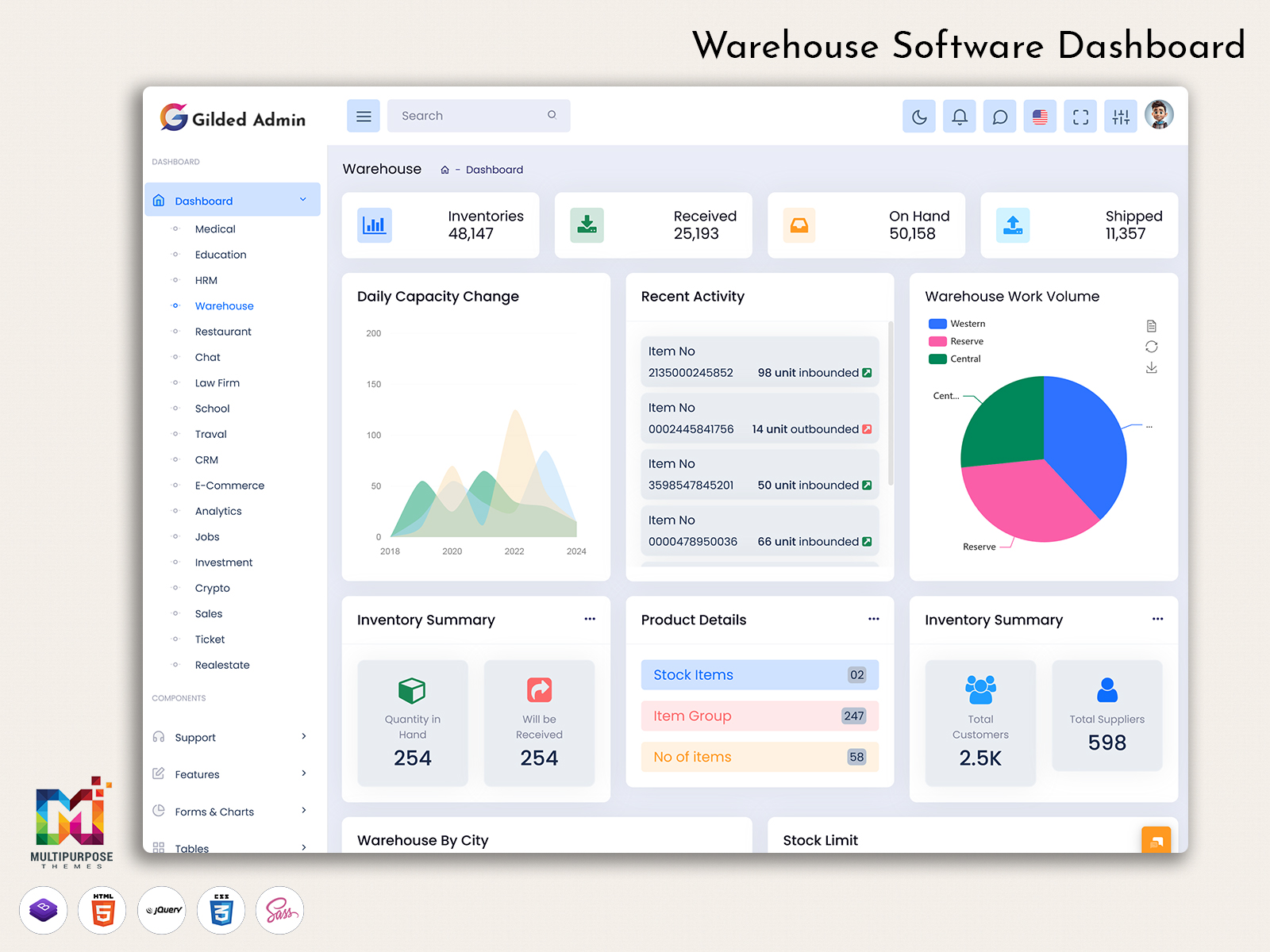
A Warehouse Dashboard is a centralized administrative interface that helps businesses keep an organized view of their warehouse activities. Instead of depending on separate records, spreadsheets, or multiple screens, warehouse teams can use one dashboard to review important operational information. It provides a practical way to understand what is happening inside the facility and which areas may need attention.
Modern warehouses handle much more than storing products. Goods arrive from suppliers, items are moved between locations, orders are prepared, shipments are scheduled, and stock continuously changes. Managing these activities manually can make it difficult to maintain a clear picture of daily operations. A Warehouse Dashboard brings selected information together so managers can review their work more conveniently.
For a warehouse manager, having the right information available at the right time can make everyday responsibilities easier. A Warehouse Manager Dashboard can provide a structured view of warehouse activities, allowing managers to keep track of important areas without going through lengthy records. It can also help different teams understand their assigned responsibilities and current operational status.
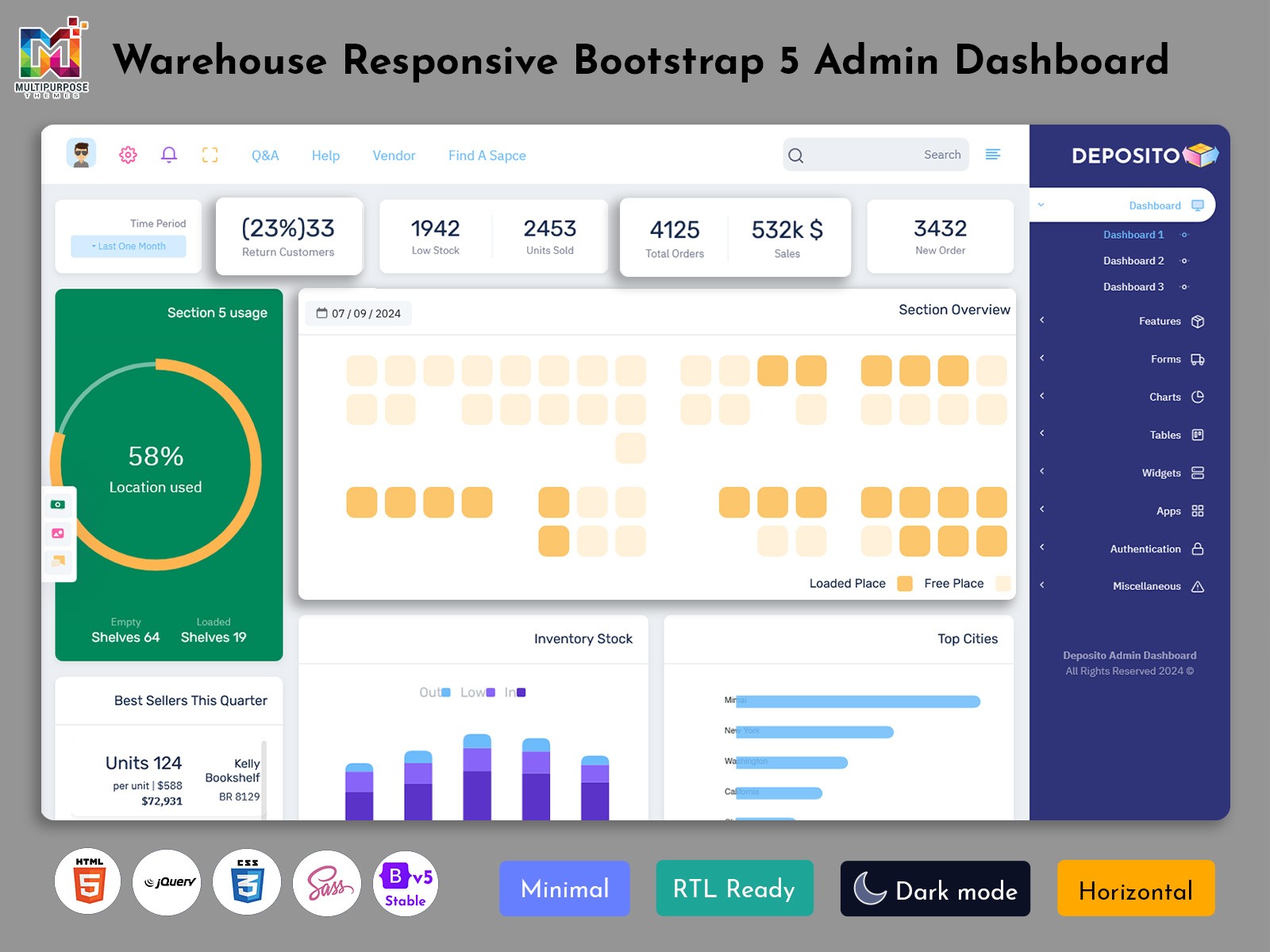
A Warehouse Metrics Dashboard focuses more strongly on measurable warehouse information. It can present figures and operational indicators in a visual format, allowing users to compare activity and identify changes. Instead of reading through large amounts of raw data, managers can review summarized information and then explore a particular area when a closer look is required.
Warehouse dashboards can also be useful beyond the storage facility itself. Warehousing is closely connected with transportation, purchasing, distribution, and customer orders. A Transport Management System Dashboard can complement warehouse information by providing visibility into the movement of goods after they leave the facility. When these areas are considered together, businesses can understand the relationship between warehouse readiness and delivery operations.
The main purpose of a Warehouse Dashboard is therefore to make warehouse information more accessible and manageable. It does not replace the people responsible for warehouse operations. Instead, it gives them a clearer working environment where important information can be reviewed and daily activities can be managed with greater confidence.
For businesses aiming to create an Efficient Warehouse, having a well-organized administrative interface can be useful. A good dashboard can reduce the effort required to find information, make routine monitoring easier, and give managers a more complete view of their warehouse activities.
Whether it is used by a distributor, manufacturer, retailer, logistics company, or ecommerce business, a Warehouse Dashboard can provide a practical foundation for handling increasingly complex warehouse operations.
Watch Full Video
Features of Warehouse Dashboard
1. Inbound Activity Monitoring
A Warehouse Dashboard can provide a dedicated view of incoming goods and expected warehouse activity. Teams can review scheduled arrivals, receiving progress, and related information from one location. This helps warehouse staff prepare suitable resources and avoid confusion when several deliveries are expected around the same period.
2. Warehouse Task Overview
Daily warehouse work involves many small responsibilities that need proper coordination. A dashboard can present assigned tasks and their current progress in an organized manner. Managers can use this view to understand workload distribution and identify activities that may require additional attention during busy operating periods.
3. Location-Based Information
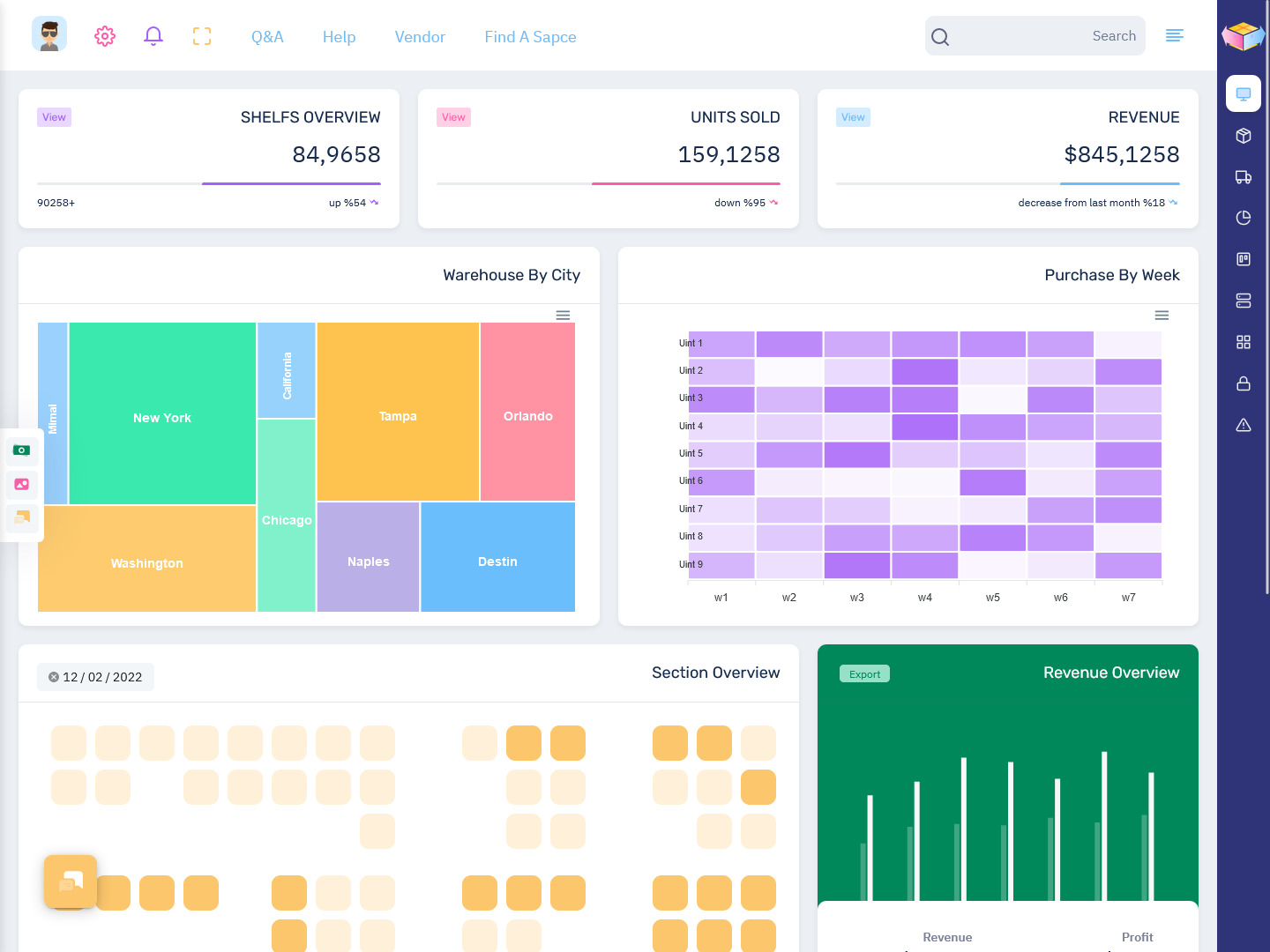
Warehouses often contain multiple storage areas, shelves, zones, or sections. A dashboard can organize information according to these locations, making it easier to understand where particular activities or items are associated. This can support smoother coordination when teams need to manage different parts of a large facility.
4. Operational Alert Section
Not every warehouse activity requires immediate attention, but certain situations should not be overlooked. A dashboard can provide a dedicated area for important alerts, exceptions, or unusual operational conditions. This gives managers a quick way to notice matters that may require investigation before they affect regular workflows.
5. Workforce Activity View
Warehouse performance depends heavily on the people carrying out daily activities. A dashboard can provide a useful overview of team assignments and work progress without overwhelming managers with unnecessary details. This can help supervisors understand whether workloads are balanced and where additional coordination may be required.
6. Dispatch Readiness
Before goods leave a warehouse, several activities must be completed in the correct order. A dashboard can provide visibility into dispatch preparation, helping teams understand which shipments are ready and which are still awaiting required actions. This can support better coordination between warehouse and delivery teams.
7. Multi-Location Overview
Businesses operating more than one warehouse may need a convenient way to compare activities across locations. A Warehouse Metrics Dashboard can bring selected information from different facilities into a common administrative view. This gives management a broader understanding of operations without requiring separate manual reviews for every location.

VIEW DEMO BUY NOW
How a Warehouse Dashboard Helps Create an Efficient Warehouse
An Efficient Warehouse is not simply a facility where products are stored neatly. It is an operation where people, goods, information, and resources move in a coordinated manner. Even when a warehouse has experienced employees, managing increasing order volumes and product varieties can become challenging without clear operational visibility. A dashboard can provide a more organized way to understand these activities.
One important advantage is that it gives managers a broader operational picture. A warehouse may have several processes happening simultaneously, such as receiving, storage, picking, packing, and dispatch. When information about these activities is scattered, managers may spend considerable time collecting updates before they can understand the overall situation. A centralized dashboard reduces that effort by presenting relevant information within one administrative environment.
A Warehouse Manager Dashboard can also make routine supervision more convenient. Managers may not need to personally check every area to understand whether work is progressing as expected. Instead, they can use the available information as a starting point and visit specific areas when something requires closer attention. This can make supervision more focused and practical.
Another useful area is coordination between warehouse and transportation activities. A warehouse may prepare an order on time, but poor coordination with the delivery schedule can still create delays. A Transport Management System Dashboard can provide information related to transport activity, allowing warehouse teams to better understand when goods need to be prepared for movement.
The same principle applies to workload management. During busy periods, some warehouse sections may become overloaded while other teams have fewer tasks. A dashboard can give supervisors a clearer view of activity distribution, allowing them to consider where additional coordination or resource adjustments may be useful.
A Warehouse Metrics Dashboard can also help businesses observe operational patterns over time. Instead of looking only at what is happening today, managers can review historical information and identify recurring situations. For example, certain periods may consistently experience heavier inbound activity or increased dispatch requirements. Recognizing such patterns can help businesses plan their operations more effectively.
The value of a warehouse dashboard ultimately comes from making information easier to use. It does not automatically make a warehouse efficient, but it can give the people managing the operation better visibility. When teams can understand current activities, recognize exceptions, and coordinate their responsibilities more effectively, the warehouse can operate with greater consistency.
For businesses that are expanding, this visibility becomes increasingly valuable. More products, customers, orders, suppliers, and delivery requirements naturally create more operational complexity. A well-structured Warehouse Dashboard can provide a central administrative workspace that grows alongside those requirements.
VIEW DEMO BUY NOW
Benefits of Warehouse Dashboard
1. Simplifies Warehouse Supervision
A Warehouse Dashboard gives managers a convenient place to review important operational information. Instead of collecting updates from several employees or records, they can begin with a centralized view. This can make routine supervision more structured and reduce the effort needed to understand the warehouse’s current condition.
2. Reduces Information Gaps
Warehouse activities often involve different teams working at different stages. Missing or delayed information can create confusion between departments. A dashboard helps bring relevant updates into a shared environment, making it easier for authorized users to stay informed and reducing dependence on repeated manual communication.
3. Supports Better Resource Planning
Warehouse resources include employees, storage areas, equipment, and transportation arrangements. A clear operational view helps managers understand where these resources are being used. This information can support better planning and help businesses make more practical decisions when workloads change during different operating periods.
4. Helps Manage Busy Periods
Warehouse activity can increase significantly during seasonal sales, special promotions, or high-demand periods. A dashboard provides a convenient way to monitor changing workloads and operational conditions. This visibility can help teams recognize pressure points earlier and coordinate their response before everyday processes become difficult to manage.
5. Improves Warehouse Coordination
Different warehouse activities depend on one another. Receiving affects storage, storage affects picking, and picking affects dispatch. A centralized dashboard helps users understand these connected activities more clearly. This can encourage better coordination between teams and support a smoother flow of work throughout the facility.
6. Makes Performance Review Easier
A Warehouse Metrics Dashboard can organize selected operational information into a format that is easier to review. Managers can use this information to compare activity across periods or warehouse areas. Such comparisons can help identify patterns and provide useful context when reviewing operational performance.
7. Supports Scalable Operations
A growing warehouse may eventually handle more products, employees, orders, and locations than it did originally. A flexible dashboard can provide a structured administrative environment as these requirements increase. This makes it useful for businesses that want their warehouse management process to remain organized while operations continue to expand.
Conclusion
A Warehouse Dashboard provides a practical way to organize information across modern warehouse operations. Instead of treating receiving, storage, workforce activity, dispatch, and other responsibilities as isolated processes, it gives managers a central place to review important information and understand how different activities are progressing.
A Warehouse Manager Dashboard can make daily supervision more convenient, while a Warehouse Metrics Dashboard can help businesses review operational information in a clearer format. When transportation is an important part of the supply chain, a Transport Management System Dashboard can also support better coordination between warehouse preparation and delivery activity.
The real value of a dashboard is not simply the number of charts or sections it contains. Its usefulness depends on whether it gives warehouse teams information that actually helps them perform their responsibilities. A well-organized interface can reduce confusion, support coordination, and provide managers with a clearer basis for everyday decisions.
For businesses working toward an Efficient Warehouse, a dashboard can become a useful part of their administrative toolkit. As warehouse operations become larger and more connected, having information organized in one accessible environment can make management easier and more consistent.
VIEW DEMO BUY NOW
FAQs
1. What is the main purpose of a Warehouse Dashboard?
The main purpose of a Multi purpose themes Warehouse Dashboard is to give warehouse teams a centralized view of important operational information. It can help managers review activities such as incoming goods, warehouse tasks, dispatch preparation, workforce activity, and other relevant information without depending entirely on separate records.
2. Who can use a Warehouse Manager Dashboard?
A Warehouse Manager Dashboard can be useful for warehouse managers, supervisors, operations teams, logistics coordinators, and business owners who need visibility into warehouse activities. Different users may require different information, so the usefulness of the dashboard depends on how well its interface matches their daily responsibilities.
3. How is a Warehouse Metrics Dashboard useful?
A Warehouse Metrics Dashboard focuses on presenting measurable warehouse information in an organized format. It can help managers review operational patterns, compare selected activities, and understand changes over time. Instead of relying only on raw records, users can refer to summarized information when reviewing warehouse performance.
4. Can a Warehouse Dashboard be used for multiple warehouse locations?
Yes, a suitable dashboard can provide an overview of multiple warehouse locations when the underlying system supports this requirement. This can be useful for businesses with distribution centers in different areas because management can review selected information centrally while still keeping individual warehouse activities organized.
5. What is the role of a Transport Management System Dashboard in warehousing?
A Multi purpose themes Transport Management System Dashboard focuses on transportation-related information and can complement warehouse operations. It can help businesses coordinate activities around shipments, deliveries, and movement of goods. Connecting transportation visibility with warehouse information can make it easier to align dispatch preparation with delivery requirements.
6. Is a Warehouse Dashboard useful for small warehouses?
Yes. A small warehouse may not have the same volume of activity as a large distribution center, but organized information can still make daily management easier. A dashboard can provide a central place for monitoring essential activities and can become more valuable as the warehouse gains additional products, customers, or operational responsibilities.
7. How can a Warehouse Dashboard help create an Efficient Warehouse?
A Multi purpose themes Warehouse Dashboard can support efficiency by making important operational information easier to access and review. Managers can identify areas requiring attention, coordinate teams, observe workload changes, and understand operational patterns. It does not replace warehouse processes, but it can give teams better visibility for managing those processes effectively.

Related Posts


This Post Has 0 Comments