


A Solar Dashboard is becoming an essential digital tool in the renewable energy world. As…
Why Your Home Needs a Solar Dashboard Right Now
Reading Time: 5 minutes
Most homeowners go solar to save money. But here is what many people miss — you can only save as much as you can see. If you cannot track your system, you are flying blind. That is where a solar dashboard changes everything.
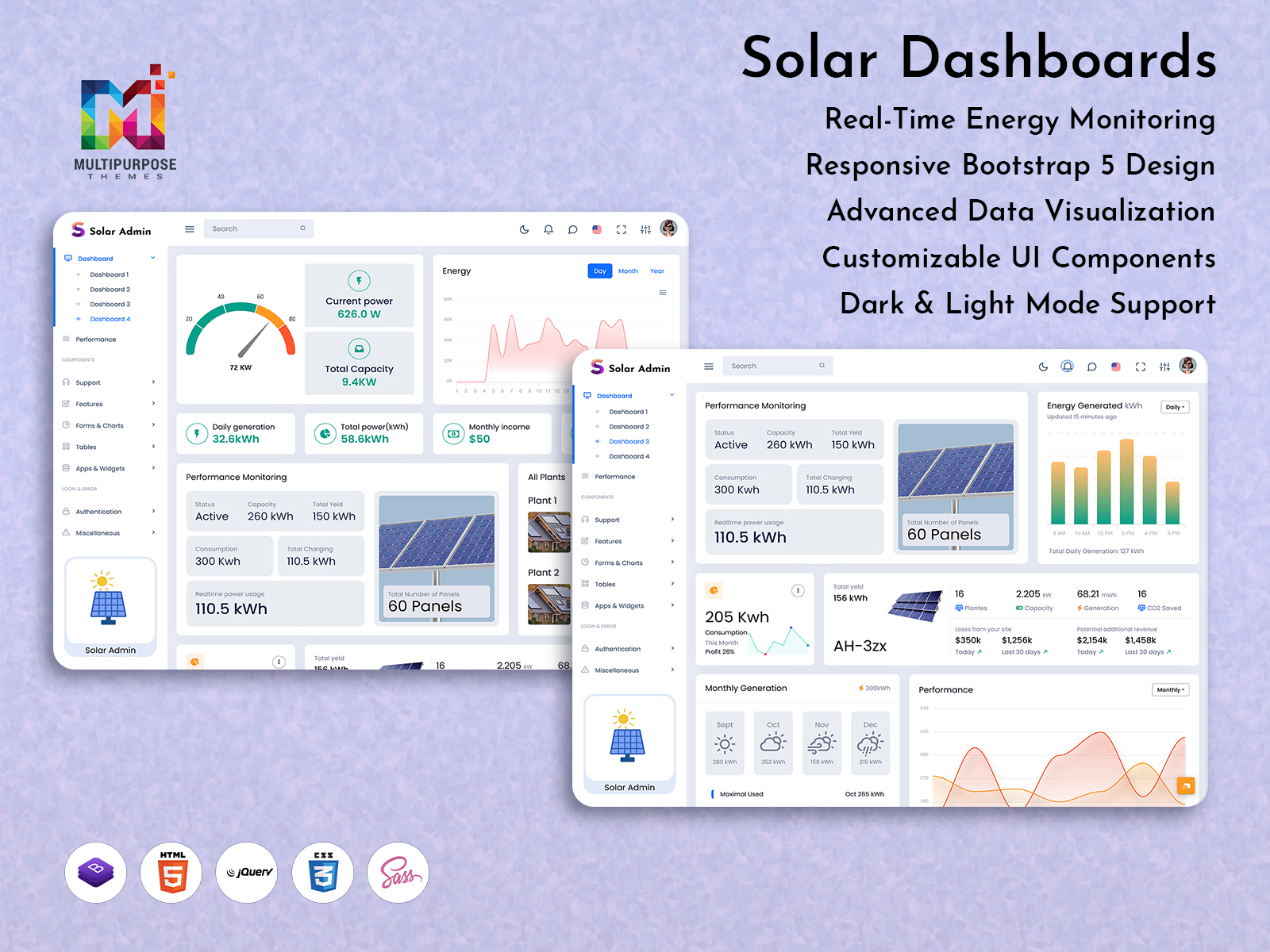
A solar dashboard is a simple tool that shows you exactly how your solar panels are performing. It tells you how much power you are making, how much you are using, and how much you are sending back to the grid. Think of it like a fuel gauge for your home’s energy. Without it, you would not know if your system is working at its best.
Watch Full Video
What a Solar Dashboard Actually Shows You
Most people think solar panels just work on their own. You install them, and the savings roll in. That is partly true. But panels can underperform for many reasons. Dirt, shade, heat, or even a loose connection can cut your output. A solar power generation dashboard catches these problems fast.
Here is what a good dashboard typically displays:
- Real-time power output from your panels
- Daily, weekly, and monthly energy production totals
- Energy consumption patterns inside your home
- Net metering data showing what goes back to the grid
- Alerts for drops in performance or system errors
With all of this in one place, you stop guessing. You start knowing.
Why Tracking Energy Is a Game Changer
Let us say your panels made 30 kilowatt-hours on a sunny Tuesday. But the next Tuesday was just as sunny, and output dropped to 22. You might not notice without a dashboard. Over a month, that gap adds up to real money lost.
A green Solar energy dashboard helps you spot that dip right away. You can call your installer, clean the panels, or check for shading from a new tree. Small fixes made early prevent big losses later. That is the power of visibility.
Beyond fixing problems, tracking your data also helps you plan smarter. You can see which hours of the day your panels peak. Then you can shift high-energy tasks like laundry or dishwashing to those hours. This is called load shifting, and it can cut your electricity bill even further.
Explore Dashboard Design of Solar Admin

BUY NOW DEMO
BUY NOW DEMO
How Solar Dashboards Help the Environment
Saving money is great. But going solar is also about cutting your carbon footprint. A solar power generation dashboard makes that impact easy to see. Many platforms convert your energy data into CO2 offsets. You can watch in real time how many pounds of emissions you avoid each month.
This kind of feedback matters more than people think. Studies show that when people can see their environmental impact, they stay more motivated to make green choices. A green energy dashboard turns your solar system into more than a financial tool. It becomes a daily reminder that your choices matter.
Families with kids especially love this feature. It turns energy saving into something you can talk about at the dinner table. Your kids can watch the numbers grow and feel proud of the difference your home is making.
Types of Solar Dashboards Available Today
Not all dashboards are the same. Your options depend on your inverter brand and monitoring system. Here are the most common types:
- Manufacturer apps – Brands like Enphase, SolarEdge, and Tesla offer their own apps. They connect directly to your inverter and give detailed panel-level data.
- Third-party platforms – Tools like PVWatts or Solar-Log work with multiple brands. They are great if you want one place to see everything.
- Smart home integrations – If you use Google Home, Amazon Alexa, or Apple HomeKit, many solar systems can sync with these platforms. You can check your solar dashboard with a voice command.
- Utility portals – Some power companies offer their own tracking tools, especially if you are on a net metering plan.
Each option has its strengths. The best one for you depends on your setup and how deep you want to go with your data.
Setting Up Your Dashboard Is Easier Than You Think
Many homeowners avoid Admin dashboards because they assume it is too technical. It is not. Most modern inverters come with built-in monitoring. Your installer usually sets it up during installation. You just download the app and log in.
If your system is older and does not have monitoring, you can still add it. Devices like the Emporia Vue or Sense monitor plug into your electrical panel and feed data to a solar dashboard app. Setup takes under an hour in most cases.
Once you are up and running, spend five minutes each morning checking your numbers. You will quickly learn what a normal day looks like for your system. That baseline makes it easy to spot anything unusual.
Red Flags to Watch for on Your Dashboard
Knowing what good looks like helps you catch bad fast. Keep an eye out for these warning signs:
- Output that is consistently lower than the same time last week
- A single panel showing zero production while others are fine
- A sudden spike in consumption without a clear reason
- Alerts from the system about inverter faults or communication errors
Any of these could point to a hardware issue, a shading problem, or even theft if you have a battery storage unit. A solar power generation dashboard puts these red flags in front of you before they turn into expensive repairs.
What to Look for in a Great Green Energy Dashboard
If you are picking a new monitoring platform, keep these features at the top of your list:
- Clean, simple interface with easy-to-read charts
- Mobile app with push notifications for alerts
- Historical data going back at least 12 months
- Integration with your utility bill or smart meter
- Support for battery storage if you have one or plan to add one
A great green energy dashboard should make complex data feel simple. If you find yourself confused by the layout, try a different platform. The goal is clarity, not complexity.
Your Solar System Is Only as Good as Your Insight
Solar panels are a long-term investment. Most systems last 25 to 30 years. A lot can change in that time. Panels degrade slowly. Trees grow taller. Your energy needs shift as your family grows.
A solar dashboard keeps you in control through all of it. It gives you the data to make smart decisions every step of the way. Whether you are a new solar owner or have had panels for years, monitoring your system is one of the simplest and smartest habits you can build.
Start watching your numbers. Your panels are already working hard. Make sure you know it.

Related Posts




This Post Has 0 Comments